 Clearwater Window
 Why Clearwater Beach Decks Wear Differently
A deck three miles inland and a deck on Clearwater Beach are not aging the same way, even if they were built from the same materials on the same day. Barrier island exposure changes everything about how wood, fasteners, and finishes hold up. Salt-laden air moves through open railings and under boards constantly, humidity rarely drops long enough for lumber to fully dry out, and afternoon sun in this part of Pinellas County is intense almost year-round. Add in wind-driven rain during summer storms and the occasional hurricane threat, and a Clearwater Beach deck is doing several years of extra work compared to a similar structure further from the Gulf.
This is a page about one job, done right, in one place: repairing decks specifically on Clearwater Beach. We're not going to give you a generic list of deck problems — we're going to walk through what actually shows up on decks in this barrier island environment, what a correct repair looks like, and why local experience matters more here than almost anywhere else in the county.
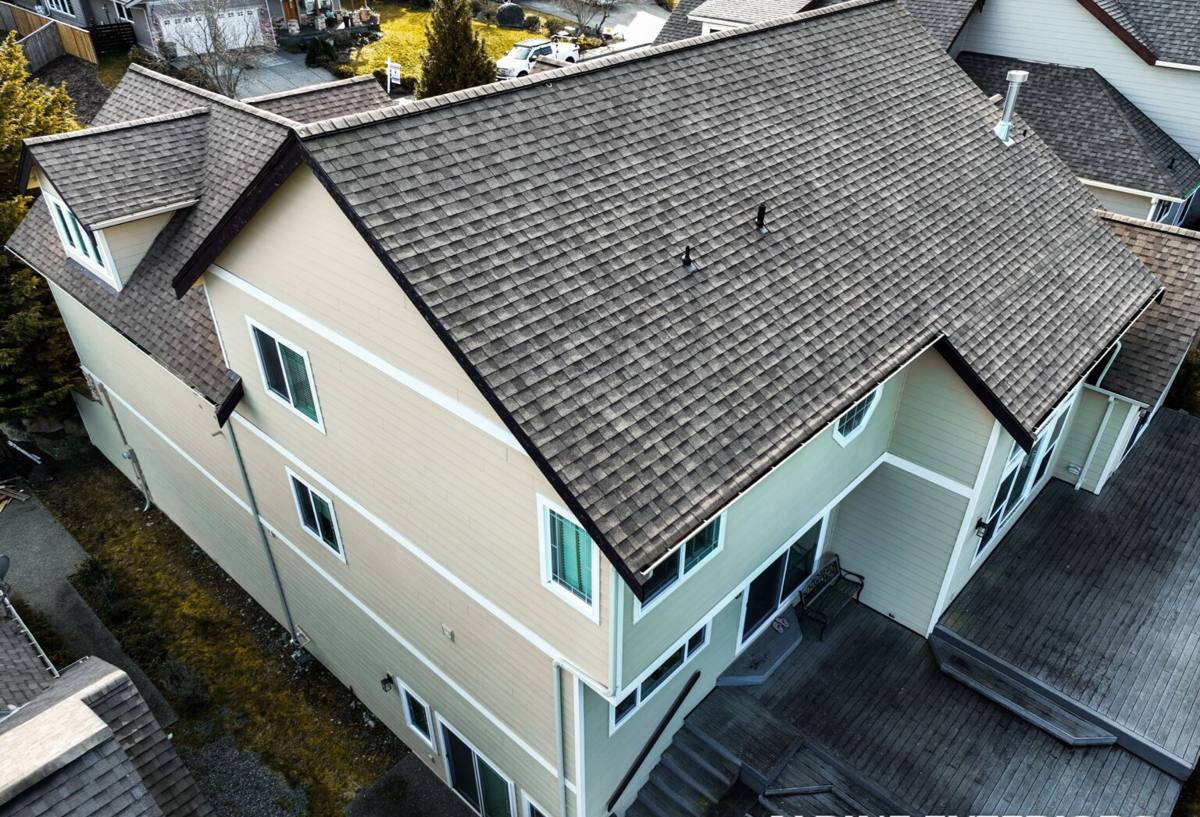
What Salt Air, UV, and Storms Actually Do to a Deck
Fastener and Hardware Corrosion
The single most common failure point we see on beachside decks isn't the decking itself — it's the metal holding it together. Standard nails, screws, and joist hangers corrode much faster in salt air than they do even a mile or two inland. Once a fastener starts rusting, it loses grip strength, boards start to lift or squeak, and the corrosion can bleed into the surrounding wood, creating dark staining and softening the fibers around the fastener hole.
UV Breakdown and Surface Graying
Intense, near-constant sun breaks down the lignin in wood fibers and degrades finishes far faster than in shadier, inland yards. Untreated or under-maintained wood decking on Clearwater Beach can gray, splinter, and check (crack along the grain) noticeably sooner than the same product would elsewhere in the Tampa Bay area. Composite decking resists this better but isn't immune — lower-grade composite boards can fade unevenly or, in some cases, show surface degradation where UV exposure is heaviest.
Moisture Cycling and Wood Rot
Decks near the Gulf go through constant wetting and drying cycles — humidity, dew, wind-driven rain, and sprinkler overspray combined with intense sun. That cycling is exactly what causes rot in structural framing, especially where boards meet ledgers, posts meet footings, or water pools instead of draining. A deck that looks fine on the surface can have soft, compromised framing underneath if that cycling has been happening unnoticed for a few seasons.
Storm and Wind Damage
Pinellas County sees real hurricane-force wind risk, and elevated or beachfront decks take direct wind loading that decks in more sheltered yards don't. Railings, stair stringers, and ledger board connections are the parts most likely to loosen or fail after a significant wind event, even when the damage isn't dramatic or obvious from a quick look.
Signs a Clearwater Beach Deck Needs Repair, Not Just Cleaning
- Boards that flex, bounce, or feel spongy underfoot, especially near the house or stairs
- Visible rust streaks running down from screws, nails, or metal brackets
- Railings or posts that wiggle when pushed — a real safety issue, not cosmetic
- Gaps opening up between boards, or boards cupping (curling at the edges)
- Soft or dark wood around the ledger board where the deck attaches to the house
- Stair stringers that feel less solid than they used to, or visible splitting at the treads
- Fasteners backing out or heads snapping off when touched
- Standing water or debris buildup between boards after rain
Any one of these on its own might be minor. Several at once, or anything involving the ledger board, stairs, or railings, means it's worth having someone look at the structure, not just the surface.
What a Correct Repair Actually Involves
A lot of deck "repair" work in this area is really just surface patching — replacing an obviously bad board and calling it done. On a Clearwater Beach deck, that approach tends to fail again within a season or two, because the underlying cause (corroded fasteners, a compromised ledger connection, trapped moisture) never got addressed. Our process starts below the surface, not on top of it.
1. Structural Inspection First
Before replacing a single board, we check the framing: joists, beams, posts, footings, and — critically — the ledger board connection to the house, since that's the single most important structural point on most decks and one of the most common failure locations after years of moisture exposure.
2. Fastener and Hardware Assessment
Given how fast standard hardware corrodes this close to the Gulf, we check fastener condition throughout, not just at the spot that's visibly failing. If one joist hanger has corroded, others of the same age and exposure are usually not far behind.
3. Matching the Repair to the Existing Structure
Whether your deck is pressure-treated wood, a hardwood, or composite decking, the repair needs to match the existing material's behavior — expansion, fastening method, and finish — or you end up with mismatched sections that age differently and look patched rather than repaired.
4. Corrosion-Resistant Hardware for Coastal Exposure
Given everything above, using standard interior-grade fasteners on a beachside deck repair is a false economy — it just guarantees the same failure again in a few years. We use hardware rated for coastal and salt-air exposure so the repair actually holds up in this environment instead of just in a lab spec sheet.
5. Addressing Drainage and Water Management
A lot of rot and fastener failure traces back to water that had nowhere to go. Part of a correct repair is making sure water sheds off the deck surface and away from the ledger and framing, not just replacing the boards that rotted from standing water in the first place.
Repair vs. Replacement: How We Help You Decide
| Factor | Repair Usually Makes Sense | Replacement Usually Makes Sense |
|---|---|---|
| Framing condition | Solid, dry, structurally sound | Widespread soft or rotted framing, especially at the ledger |
| Extent of damage | Isolated boards, railings, or fasteners | Damage spread across most of the deck surface |
| Age of the deck | Newer deck with a few problem areas | Deck near or past its expected service life |
| Fastener corrosion | Limited to a few visible spots | Corrosion showing throughout the structure |
| Budget priority | Targeted fix now, plan ahead for later | One project instead of repeated patch repairs |
We'll always tell you honestly which category your deck falls into. If a repair will genuinely hold up, we'll recommend it — there's no reason to sell a full replacement when a targeted, correctly done repair solves the problem.
Our Process for Clearwater Beach Deck Repair
- On-site assessment — we inspect the full structure, not just the area you called about, since coastal decks often have related issues you haven't noticed yet
- Honest scope and estimate — a clear explanation of what needs fixing, why, and what it will cost, with no upselling
- Repair using coastal-appropriate materials and hardware — matched to your deck's existing construction
- Structural check before surface work — framing and connections addressed first, cosmetic repair second
- Final walkthrough — we show you what was done and what to watch for going forward
Maintenance That Extends the Life of a Beachside Deck
- Rinse salt residue off the deck surface periodically, especially after windy stretches without rain
- Check railings and stair connections by hand a few times a year — loose hardware is easy to catch early
- Keep an eye on the area where the deck meets the house, since that ledger connection takes the most abuse
- Reseal or refinish wood decking on a schedule appropriate for coastal UV exposure, rather than waiting until graying is severe
- Clear debris from between boards so water doesn't sit and soak in
Why Hiring a Crew That Already Works Clearwater Beach Matters
Deck repair knowledge that works fine in a typical inland Florida neighborhood doesn't automatically transfer to a barrier island. A contractor unfamiliar with this specific stretch of coastline may not think to check fastener corrosion first, may spec standard hardware out of habit, or may not recognize early signs of salt-air-driven wood breakdown because they don't see it regularly. A crew that already works on Clearwater Beach knows what these decks look like at year two, year five, and year ten in this exact exposure, and repairs accordingly — not based on a generic playbook, but based on what actually holds up here.
That local familiarity also means a faster, more accurate first visit. We're not guessing at what coastal exposure does to a deck — we're seeing it on this beach, on similar homes, on a regular basis.
If your deck on Clearwater Beach has loose boards, rusting hardware, soft spots, or you just want a second opinion before a storm season, we're happy to take a look. Fill out the form below for a free, no-pressure estimate.