 Clearwater Window
 Why Clearwater Beach Homes Need Windows Built for This Spot
Clearwater Beach sits right on the Gulf, which means every window on the house is dealing with a harsher set of conditions than a home even a few miles inland. Hurricane-force wind gusts load up on openings during storm season, UV exposure is intense and constant nearly year-round, wind-driven rain gets pushed sideways into gaps that would never leak on a calmer site, and salt air works on hardware, seals, and finishes every single day, storm or no storm. None of that is exotic knowledge to anyone who's lived here a while, but it matters a lot when you're picking windows and picking who installs them.
"Custom" windows on a barrier island property usually means two things at once: openings that don't match stock sizes because the home wasn't built to a modern module, and performance requirements that go beyond what a big-box window is rated for. Getting either one wrong shows up fast — as air and water intrusion, as premature hardware failure, or as a window that technically fits but was never actually engineered for the load it's sitting under.
What "Custom" Actually Means on a Coastal Property
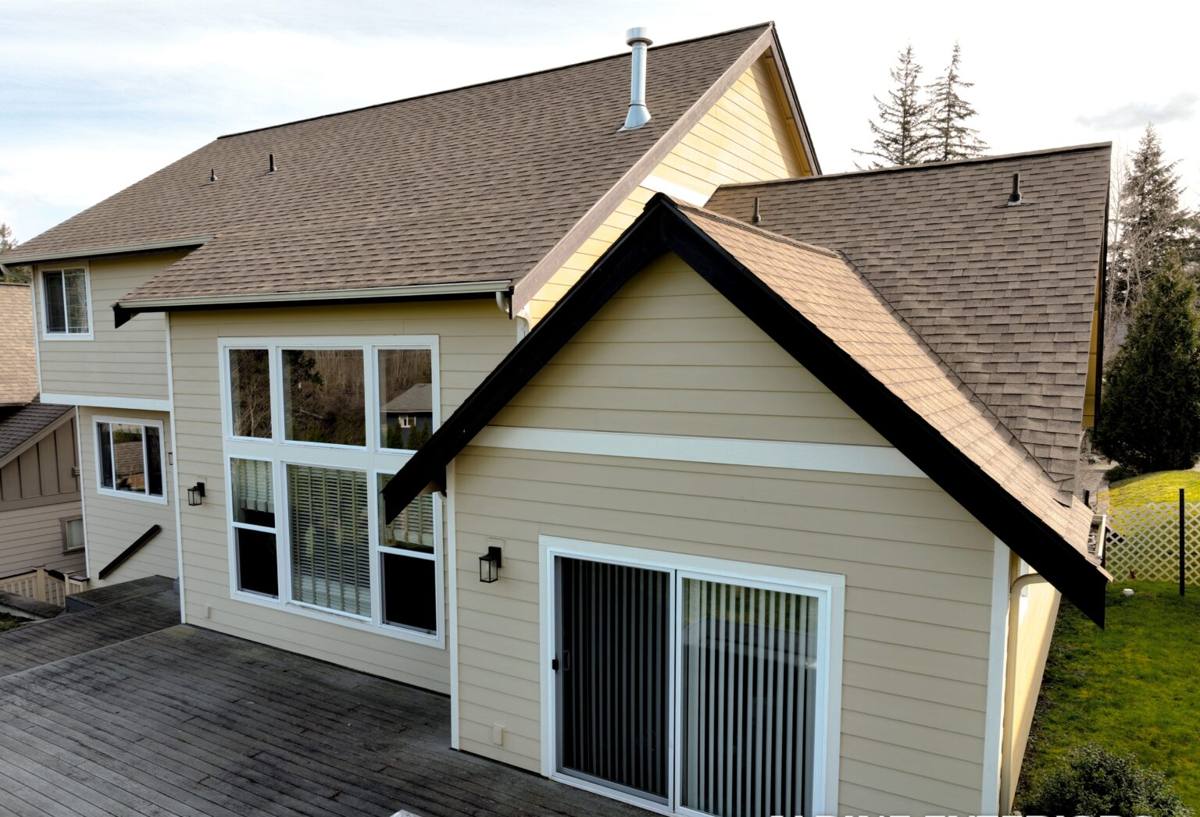
A lot of homes near the beach have additions, renovated openings, or original construction from an era with different rough-opening standards. That means the window has to be built or trimmed to the actual opening, not the other way around — you're not forcing a stock size into a wall and packing the gaps with foam and hoping. Custom sizing done right accounts for the actual masonry or framing tolerances, not a rounded-off number.
Impact-Rated vs Non-Impact — What's Actually Required
Depending on where a home sits relative to the coast and what wind zone it falls in, code may require impact-rated glazing or an approved alternative (shutters or panels) at every opening. On Clearwater Beach specifically, most homes are close enough to the water that impact-rated windows are the practical choice even where a non-impact option with separate protection is technically allowed — one less system to deploy before a storm, one less thing that can be forgotten or damaged in the garage.
Impact-rated doesn't just mean "thicker glass." It's a full assembly — laminated glass, a frame and anchoring system tested together, and installation that matches the tested configuration. Swap in a different frame or change the anchoring pattern and the rating no longer applies, even if the glass itself is correct.
Frame and Glass Options — Trade-offs for This Climate
There's no single "best" material for every home; it depends on the structure, the budget, and how much upkeep an owner wants to take on. Here's how the common options actually perform in a salt-air, high-UV environment:
| Frame Material | Salt Air Behavior | UV / Heat Behavior | Maintenance |
|---|---|---|---|
| Vinyl | Won't corrode or pit; good baseline choice | Quality matters — cheap vinyl can chalk and warp under constant sun | Low — occasional cleaning |
| Aluminum | Needs a marine-grade finish or it will pit and corrode over time | Handles heat well structurally; can conduct more heat into the home | Moderate — finish needs monitoring |
| Fiberglass | Very stable in salt air, resists corrosion and warping | Excellent — low expansion/contraction under heat cycling | Low, but higher upfront cost |
| Wood / Wood-clad | Poor fit for direct coastal exposure without heavy maintenance | Sensitive to UV and moisture cycling | High — not something we recommend this close to the Gulf |
On glazing, the interlayer in laminated impact glass and the Low-E coating both matter more here than in a lot of markets. A good Low-E coating cuts down on solar heat gain, which is a real cooling-cost issue given how much direct sun this coast gets. We'll walk through what's appropriate for a given elevation and orientation rather than defaulting to one spec for the whole house.
What a Correct Installation Actually Involves
The window unit itself is maybe half the job. The other half is everything around it, and it's the part that determines whether the window actually performs the way it's rated to.
- Accurate field measurement of the actual opening, not a stock assumption
- Removal of the old unit without damaging the surrounding structure or stucco/siding
- Correct flashing and weatherproofing integration with the existing wall assembly, so wind-driven rain has nowhere to track in
- Anchoring to the tested configuration for the window's impact rating — fastener type, spacing, and embedment all matter
- Sealant compatible with the frame material and rated for exterior, UV, and salt exposure
- Proper shimming so the frame isn't under stress that will fatigue seals and hardware early
- Final operational check — smooth operation, proper locking engagement, no racking
Skipping or rushing any one of those steps is how a correctly-rated window still ends up leaking or failing years before it should. It's rarely the glass that fails first on the coast — it's the installation details around it.
Permitting in Pinellas County
Window replacement and new openings on a coastal property in Pinellas County typically require a permit, and impact-rated products need to be installed to their tested and approved configuration for that permit to close out cleanly. We handle the permitting and inspection process as part of the job rather than leaving it to the homeowner to sort out afterward.
Our Process, Start to Finish
- Free on-site estimate — we look at each opening, note anything non-standard, and talk through material and glazing options for your specific exposure.
- Measurement and product selection — precise field measurements, then windows are ordered or built to those exact dimensions.
- Permit filing — pulled before work begins, per Pinellas County and city requirements.
- Removal and installation — old units removed carefully, new units installed with correct flashing, anchoring, and sealant.
- Final walkthrough and inspection — operational check with you, plus the required inspection sign-off.
Signs Your Current Windows Are Losing the Fight
Salt air and UV don't announce themselves with one dramatic failure — it's usually a slow accumulation of small signs. Worth checking for:
- Hardware (locks, cranks, hinges) that's stiff, corroded, or pitted
- Visible fogging or moisture between panes on insulated glass units — the seal has failed
- Frames that feel chalky, discolored, or brittle to the touch
- Drafts or a whistling sound during windy conditions
- Water staining on interior trim or sills after heavy rain
- Difficulty opening, closing, or locking a window that used to operate smoothly
- Visible daylight around the frame edges when the window is closed
Any one of these is worth a look before storm season, not after a storm has already tested the weak point.
Cost Factors for Custom Windows on Clearwater Beach
Every job is different, but the honest range depends on a handful of factors more than anything else:
| Factor | Why It Moves the Price |
|---|---|
| Impact rating requirement | Impact-rated laminated glass and tested frame assemblies cost more than standard glazing |
| Opening size and non-standard dimensions | Custom-built sizes cost more than stock sizes ordered off the shelf |
| Frame material | Fiberglass and higher-grade vinyl or marine-finish aluminum sit above basic vinyl |
| Number of openings and access | Second-story or hard-to-access windows take more labor time |
| Existing condition of the opening | Rot, corrosion, or prior water damage found during removal adds repair scope |
We give a written estimate that breaks these out so you can see exactly what's driving the number, not a flat quote you have to take on faith.
Why a Local Clearwater Crew Makes a Real Difference
Working Clearwater Beach regularly means we already know what the wind zone and permitting requirements actually look like in practice, not just on paper. We're familiar with the mix of older construction and newer builds along the beach, with the HOA and condo association paperwork that some properties require before exterior work starts, and with how quickly conditions here can turn — which matters when you're trying to get a job scheduled and closed out before the next system rolls in. A crew that only occasionally works this coast is more likely to miss a detail that a barrier-island home actually needs, and a callback for a leak or a failed seal is a lot more disruptive than getting the installation right the first time.
Living With Windows in a Salt-Air Environment
Even a correctly installed, well-rated window benefits from some basic upkeep on the coast. Rinsing frames and hardware periodically to clear salt residue, keeping weep holes clear of debris and sand, and checking seals and hardware before hurricane season all extend the life of the installation. We're happy to walk through a simple maintenance routine specific to your windows when the job is done.
If you're weighing custom window options for a Clearwater Beach property, we're glad to come take a look, measure the actual openings, and put together a free, no-pressure estimate — just fill out the form below and we'll get in touch.