 Clearwater Window
 Board & Batten Siding, Done Right, for Palm Harbor
Board and batten is one of the most requested siding profiles we install in the Palm Harbor area, and it's easy to see why. The vertical board-and-batten look gives a home real dimension and a clean, tailored line that works on everything from a ranch-style Florida home to a coastal-style build with wide gables and covered porches. But the look is only half the story. In Pinellas County, board and batten siding has to survive hurricane-force wind gusts, wind-driven rain that gets pushed sideways into every seam, relentless UV exposure nearly year-round, and salt-laden air drifting in off the Gulf. A siding profile that looks great in a showroom photo can fail fast here if it isn't built and installed for this specific climate.
This page covers what board and batten siding needs to hold up on a Palm Harbor home, how we approach the installation, and why we only do this work in James Hardie fiber cement — never in vinyl, LP SmartSide, or other look-alike materials.
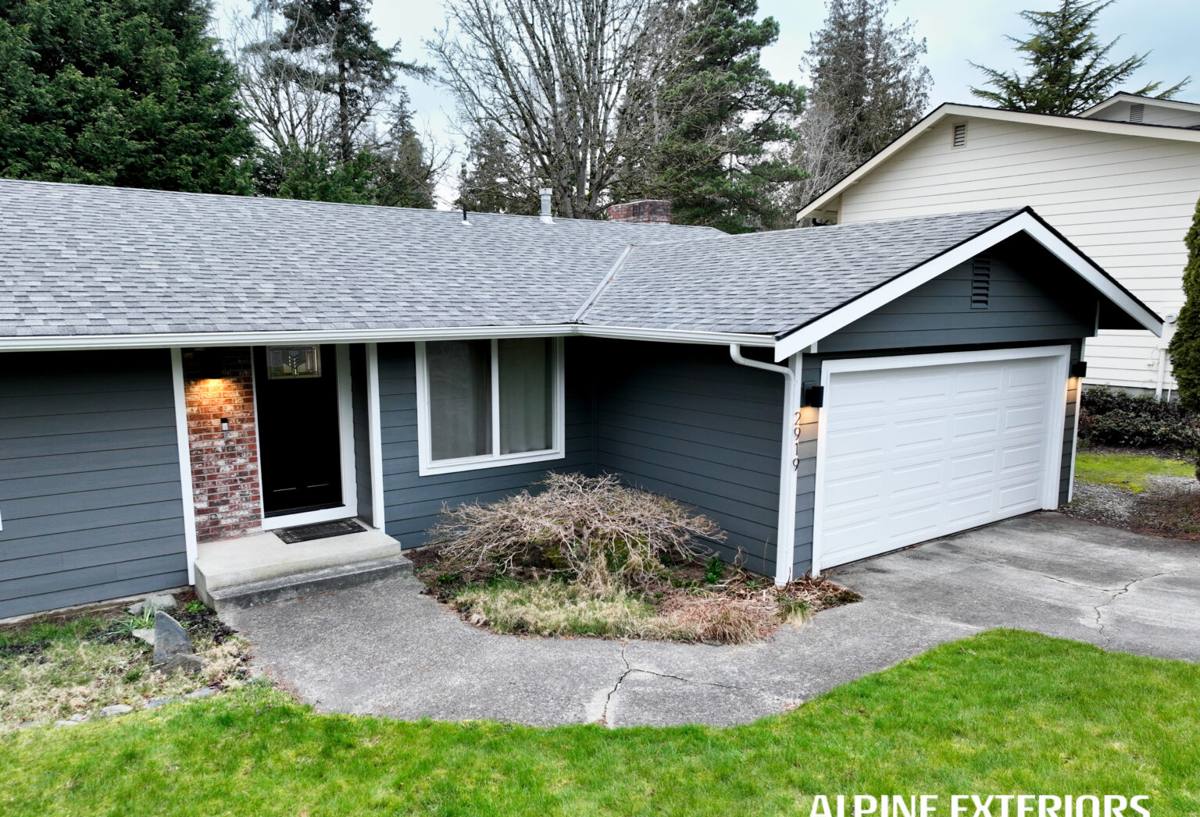
Why Board & Batten Is Different From Lap Siding, Climate-Wise
Board and batten runs its seams vertically instead of horizontally. That changes how water moves across the wall. On lap siding, gravity does most of the work shedding rain downward off each overlapping course. On board and batten, water runs down the face of the boards and battens and can pool or wick at horizontal joints, window and door transitions, and the bottom termination near grade or a foundation line. In a climate that sees frequent, heavy, wind-driven rain, that difference matters. Every horizontal joint and every place a batten meets a window frame is a spot where water intrusion can start if flashing and sealant details aren't handled correctly the first time.
The other factor is thermal movement. Board and batten uses more individual boards and fasteners per square foot than a standard lap profile, and each material expands and contracts differently across Pinellas County's swing from humid, 90-plus-degree summer afternoons to cooler winter mornings. A siding material that isn't dimensionally stable will telegraph that movement as cracking, popped fasteners, or gaps that open up along the battens within a few seasons.
What This Means for a Palm Harbor Home Specifically
Homes in and around Palm Harbor tend to sit close enough to open water and the Gulf that salt air is a constant, not an occasional event. Salt-laden air accelerates fastener corrosion, breaks down lesser paint films faster, and speeds up general weathering on anything not built for a coastal environment. Combine that with direct, intense sun exposure for most of the year, and you have two forces working against a board and batten install at once: moisture intrusion risk from the profile itself, and material degradation from sun and salt. The product and the installation both have to be matched to that reality.
Why We Install Only James Hardie Fiber Cement
We do not install vinyl board and batten, LP SmartSide, primed spruce, cedar, or other fiber cement brands like Cemplank or Allura. That's a deliberate standard, not a sales pitch, and it's worth explaining honestly.
- Vinyl board and batten is affordable and low-maintenance in mild climates, but it softens and can deform under sustained high heat, and it's more prone to cracking and blow-off in high wind events than fiber cement. In a hurricane-exposed county, that's a real trade-off, not a minor one.
- LP SmartSide is an engineered wood product. It performs well in many climates, but wood-based substrates are more sensitive to sustained moisture exposure over time, and Florida's humidity and rain patterns are a tougher long-term test than drier regions.
- Primed spruce or cedar board and batten can look beautiful, but raw or site-primed wood requires an ongoing maintenance commitment — recoating, caulking, and moisture monitoring — that most homeowners don't want to sign up for indefinitely in a coastal climate.
- Other fiber cement brands may be reasonable products, but we've standardized our crews, flashing details, fastening schedules, and warranty process around one system so every job gets built the same correct way, with a manufacturer backing that's specific to this climate.
James Hardie's HZ10 product line is engineered specifically for climates with high humidity, heavy rain, and moisture exposure — which is exactly what Pinellas County delivers most of the year. Fiber cement is non-combustible, holds paint and factory finish far longer than wood, doesn't deform in heat, and doesn't become brittle from UV exposure the way some vinyl products can over a decade-plus of Florida sun.
What a Correct Board & Batten Installation Involves
The board and batten look can be built two ways: true board and batten (individual boards with battens covering the seams) or a panel-and-batten system using Hardie panel products with battens applied over the joints. Either way, the details that actually determine long-term performance are mostly invisible once the job is finished:
Water Management First
Correct installation starts with a weather-resistant barrier behind the siding, proper flashing at every window, door, and horizontal transition, and rain-screen or drainage detailing where the wall assembly calls for it. This is what keeps wind-driven rain from finding its way behind the boards during a summer storm.
Fastening Schedule
James Hardie specifies fastener type, spacing, and placement for a reason — get it wrong and you invite cracking, popped nails, or reduced wind resistance. We follow Hardie's published fastening requirements to the letter, which also keeps the manufacturer's warranty intact.
Clearances and Terminations
Board and batten siding needs proper clearance from grade, roof lines, decks, and hardscaping so water doesn't wick up into the bottom of the boards. This is one of the most commonly skipped details on rushed installs, and it's one of the most common causes of rot and finish failure near the base of a wall.
Factory Finish, Not Field Paint
We install Hardie's ColorPlus factory-applied finish wherever possible rather than relying on field-applied paint. The factory finish is baked on under controlled conditions and holds color and integrity far longer under intense, near-year-round Florida UV than a field coat can.
Comparing Board & Batten Siding Options for This Climate
| Material | Wind/Storm Performance | Moisture Behavior | Maintenance | Typical Lifespan Here |
|---|---|---|---|---|
| James Hardie Fiber Cement (HZ10) | Strong, engineered for high-wind zones | Non-combustible, dimensionally stable, resists moisture-driven warping | Low — factory finish, occasional caulk checks | Decades with correct install |
| Vinyl Board & Batten | Can crack or blow off in sustained high wind | Doesn't rot, but can trap moisture behind panels | Low, but heat can cause warping/fading | Shorter in intense sun/heat |
| LP SmartSide | Good when installed to spec | Engineered wood — sensitive to prolonged moisture exposure | Moderate — finish and seams need monitoring | Shorter than fiber cement in high-humidity climates |
| Primed Spruce/Cedar | Variable, depends on install quality | Most moisture-sensitive option; needs consistent upkeep | High — recoating, caulking, inspection | Shortest without diligent maintenance |
Our Process for a Palm Harbor Board & Batten Project
- On-site assessment: We walk the exterior, check the existing wall assembly, note drainage, grade clearance, and any moisture or rot already present.
- Product and profile selection: True board and batten or panel-and-batten, board width, and Hardie color/finish are chosen based on the home's style and the homeowner's preference.
- Prep and moisture barrier: Removal of failing existing siding, repair of any damaged sheathing, and installation of a correct weather-resistant barrier.
- Flashing and installation: Boards, battens, and trim installed to Hardie's fastening and clearance specifications, with flashing at every penetration and transition.
- Finish and detail work: Caulking, touch-up, and a final walk-through so the homeowner can see the completed work and ask questions before we consider the job done.
Why Hiring a Crew That Already Works Palm Harbor Matters
A siding crew that only occasionally works this area may not have a feel for how a specific block or neighborhood's exposure — proximity to open water, tree cover, prevailing wind direction — affects a board and batten install. Crews who regularly work Clearwater and the surrounding Pinellas County communities, including Palm Harbor, already know which flashing and clearance details tend to get missed on rushed jobs in this region, and they've seen firsthand how a poorly detailed board and batten wall fails here versus how a correctly built one holds up. That local repetition is what turns manufacturer specs into a crew's actual habits on the ladder.
Signs Your Current Siding Needs Attention
- Visible cracking or splitting along boards or battens
- Soft spots or discoloration near the bottom of walls or below windows
- Paint that's peeling, chalking, or fading unevenly in sun-exposed areas
- Gaps opening up at seams, corners, or batten joints
- Popped or visibly corroded fasteners
- A musty smell or visible staining on interior walls that share an exterior wall with affected siding
What Affects the Cost of a Board & Batten Project
Every home is different, but the main cost factors on a board and batten project are the same everywhere: total square footage, the amount of trim, window, and door detail work involved, whether existing siding needs to be removed versus installed over new sheathing, and the extent of any sheathing repair discovered once old material comes off. We give straightforward, itemized estimates rather than vague ballpark numbers, so a homeowner knows exactly what they're paying for and why.
If you're weighing board and batten siding for a Palm Harbor home, we're glad to walk the property, look at what's there now, and give you a straight answer on what it would take to do the job right. There's no pressure and no cost for the estimate — just a fill out of the form below to get started.