 Clearwater Window
 Board & Batten Siding Built for Del Oro's Corner of Clearwater
Del Oro is a well-established residential pocket of Clearwater, and like most of Pinellas County it sits squarely in a climate that does not go easy on exterior building materials. Board and batten siding — with its clean vertical lines, deep shadow reveals, and farmhouse-meets-coastal look — has become one of the most requested exterior upgrades for homeowners in this area. It photographs well, it reads as a genuine upgrade rather than a cosmetic patch, and when it's installed correctly it can hold that look for decades. When it's installed wrong, or built from the wrong material, it becomes one of the fastest siding styles to show problems, because the vertical battens and their seams give wind-driven rain a direct path into the wall if the details aren't right.
This page covers what board and batten siding specifically needs to succeed on a Del Oro home, what a correct installation actually involves, and why we only install it in James Hardie fiber cement — never vinyl, wood, or engineered wood panel systems.
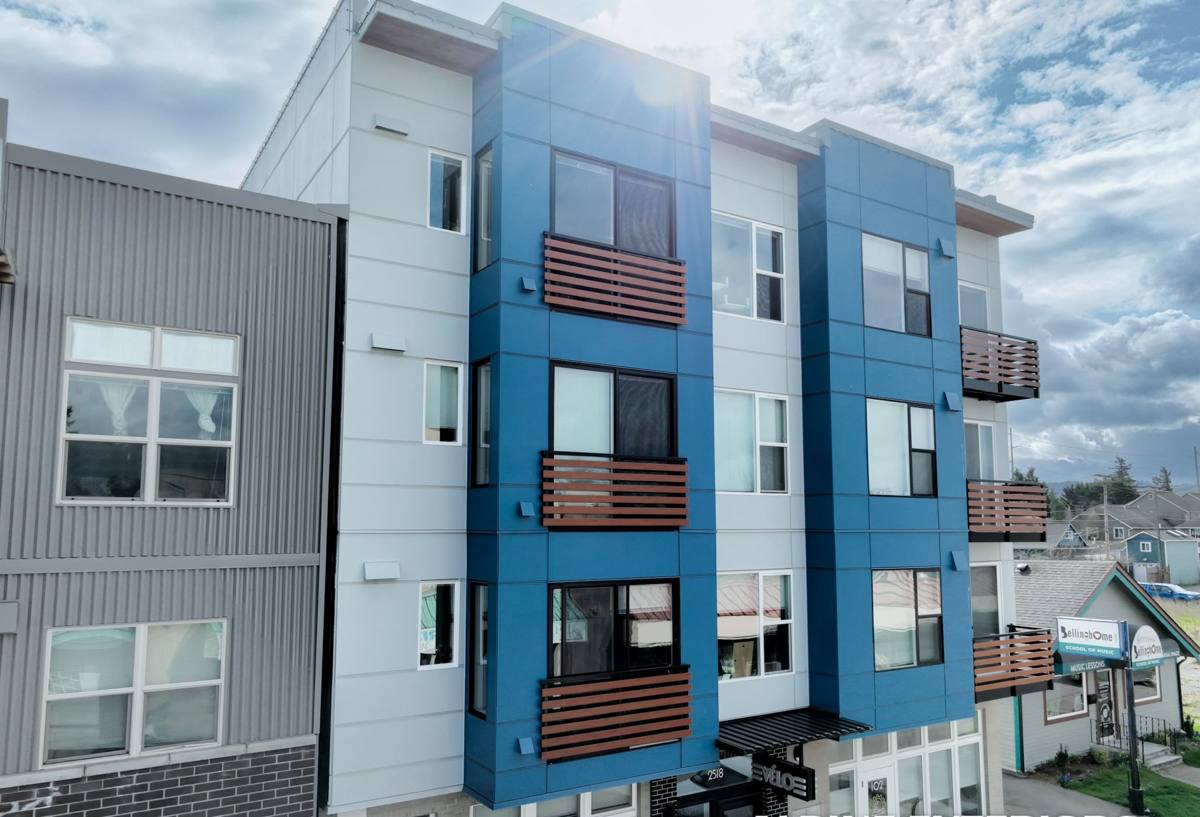
What Del Oro Homes Need From This Siding Style
Board and batten isn't a neutral choice climate-wise. The style itself — flat panels with raised battens covering the vertical seams — creates more edges, more fastener penetrations, and more places where water can find a way behind the cladding than a standard horizontal lap profile does. In a Gulf Coast climate, that matters more than it would somewhere drier and calmer. Four conditions define what this siding has to survive here:
- Hurricane-force wind: Vertical battens and panel edges are exposed to uplift and lateral pressure during tropical systems. Fastening pattern and panel engineering both have to be rated for it, not just "good enough" for calm weather.
- Intense, year-round UV: Central Florida sun is relentless on painted or coated exteriors. A finish that isn't factory-baked for UV resistance will chalk, fade, and need repainting far sooner than the siding itself wears out.
- Wind-driven rain: Storms here don't fall straight down — they're pushed sideways into the wall. Every batten seam, corner, and trim joint is a potential entry point if it isn't flashed and gapped correctly.
- Salt air: Del Oro isn't waterfront, but Pinellas County as a whole sits close enough to Tampa Bay and the Gulf that airborne salt is a factor for fasteners, trim, and any material prone to corrosion or moisture wicking.
Any board and batten system that can't stand up to all four of those at once isn't right for this address, no matter how good it looks in a showroom photo.
Why Board & Batten Fits Del Oro's Housing Stock
Del Oro has the kind of mixed housing stock you'll find across a lot of established Clearwater neighborhoods — ranch-style homes, some traditional Florida block construction, and a range of build eras. Board and batten works well here because it can be used as a full exterior treatment on a home going for a farmhouse or coastal-cottage look, or as an accent on gables, dormers, and entry features to break up a plain elevation without a full re-side. That flexibility is a big part of why we get asked about it so often in this area — it's a meaningful curb-appeal upgrade that doesn't require gutting the home's existing footprint or roofline.
The Board & Batten System We Install
We install James Hardie fiber cement exclusively — no vinyl board and batten, no engineered wood (LP SmartSide), no Cemplank or Allura fiber cement, no primed spruce or cedar boards. For board and batten specifically, this means HardiePanel vertical siding as the field material, with HardieTrim boards installed over the seams to form the battens, finished in a factory-applied ColorPlus coating.
How the Product Is Engineered for This Climate
James Hardie manufactures its siding in different formulations for different climate zones, and the products sold and installed here are built to the HZ5 specification — engineered for the humidity, moisture cycling, and storm exposure typical of the Gulf Coast. The fiber cement itself is a mix of sand, cement, and cellulose fiber, which means it doesn't rot, doesn't feed termites, and won't ignite from wind-blown embers the way wood-based sidings can. The ColorPlus finish is baked on in multiple coats at the factory under controlled conditions, which holds color and resists UV fade far better than a field-applied paint job, and it comes with its own finish warranty separate from the substrate warranty.
Why We Don't Install Vinyl or Wood Board & Batten
Vinyl board and batten is lightweight, which is exactly the problem in a wind zone like ours — it's more prone to flexing, cracking, and blowing off in sustained gusts, and it softens and warps under direct summer sun. Wood and engineered-wood board and batten (cedar, primed spruce, LP SmartSide) can look excellent on day one, but the vertical seams and exposed battens in this style are precisely where moisture intrusion shows up first if caulk joints fail or end grain isn't sealed — and Florida's humidity gives that process a head start every other product doesn't have to fight. We're not saying these products can't work anywhere; we're saying that for board and batten, on homes exposed to Pinellas County's storm season, we won't put our name on an installation using them. Fiber cement engineered for this climate is the standard we hold every board and batten job to.
Quick Comparison
| Factor | Vinyl Board & Batten | Wood / Engineered Wood | James Hardie Fiber Cement |
|---|---|---|---|
| Hurricane wind rating | Lower impact resistance, can flex or crack | Depends on fastening; wood can split under load | Engineered and rated for high-wind installation |
| UV / fade resistance | Fades and chalks; can't be repainted easily | Paint fades faster in direct sun; needs recoating | Factory ColorPlus finish resists fading |
| Moisture behavior | Won't rot but seams can trap water behind panel | Prone to rot and swelling at seams and cuts | Non-combustible, moisture- and rot-resistant substrate |
| Salt air exposure | Generally stable but brittle over time | Fasteners and end grain vulnerable to corrosion/decay | Formulated for coastal/humid climate exposure |
| Typical warranty | Prorated, product-only | Varies widely by manufacturer/installer | Long-term, non-prorated, transferable |
What a Correct Board & Batten Installation Involves
Board and batten is unforgiving of shortcuts because the visual style depends on straight, evenly spaced vertical lines — and the weather performance depends on details hidden underneath those lines. A correct install includes:
- A continuous weather-resistive barrier installed and lapped correctly behind the panels, with flashing at every window, door, and penetration.
- Proper fastener type, length, and spacing driven into structural framing — not just sheathing — per Hardie's published installation instructions for this climate zone.
- Correct clearance: siding held roughly 6 inches above grade and 2 inches above roof lines and decks so water can't wick up into the panel.
- Expansion gaps at butt joints and trim intersections, properly caulked with a quality sealant rated for exterior movement.
- Battens fastened independently of the panel seams beneath them, so the two layers can move slightly without cracking caulk or trapping moisture.
- Corner and trim details flashed so wind-driven rain sheds outward instead of finding a path behind the cladding.
Skip any one of these and the siding may still look right for a year or two — the problems that show up from a rushed board and batten job are almost always hidden ones: soft sheathing, stained interior walls, or trim that's pulling away at the seams.
Our Process for Del Oro Projects
Every board and batten project we take on in this area follows the same sequence, whether it's a full re-side or a targeted accent on gables and entry features:
- On-site assessment: We look at your existing wall assembly, current siding condition, and any signs of moisture or past damage before quoting anything.
- Design and layout: We plan batten spacing and panel layout to fit your home's proportions — window and door alignment matters more with vertical lines than with lap siding.
- Removal and prep: Old siding comes off, sheathing is inspected and repaired as needed, and the weather barrier goes on correctly before a single panel is hung.
- Installation: HardiePanel and HardieTrim battens go up to manufacturer spec, with flashing and fastening built for this climate, not a generic national spec.
- Final detailing and walkthrough: Caulking, touch-up, cleanup, and a walkthrough so you know exactly what was done and what to expect going forward.
Long-Term Care Checklist
James Hardie board and batten is low-maintenance compared to wood or vinyl, but "low" isn't "none." A short annual routine keeps it performing:
- Rinse the siding with a garden hose once or twice a year to clear salt residue and pollen buildup.
- Walk the exterior after major storms and check caulk lines at trim and batten joints for cracking or separation.
- Keep sprinklers and irrigation heads from spraying directly on the siding long-term.
- Trim back landscaping so it isn't holding moisture against the wall.
- Have caulk joints and touch-up paint reviewed every few years, especially on south- and west-facing walls that take the most sun.
Cost Factors to Expect
Board and batten with battens installed over vertical panel seams generally costs more per square foot than a straightforward lap siding job, mainly due to the extra trim material and labor for batten layout and fastening. Exact numbers depend on your home's size, current wall condition, and how much of the exterior is getting the treatment.
| Cost Factor | Why It Matters |
|---|---|
| Full re-side vs. accent areas | Whole-house board and batten costs more than using it as a feature on gables or an entry |
| Existing wall condition | Rotted sheathing or damaged framing found during tear-off adds repair cost before siding goes up |
| Trim and batten spacing | Tighter batten spacing uses more trim material and more labor hours |
| Color and finish selection | Standard ColorPlus colors vs. custom finish options can shift material cost |
| Site access | Fencing, landscaping, or tight lot lines can affect labor time |
Why Hire a Crew That Already Works in Del Oro
A siding crew that's already worked jobs in and around Del Oro understands the local permitting process, knows what Pinellas County inspectors look for on wind-rated exterior work, and has a feel for how homes in this specific area were originally built — which matters when you're planning battens, trim, and layout around existing window and door placement. It also means less guesswork on wind-load requirements, since the fastening and flashing standards that apply to your street are the same ones we've already been building to on nearby projects. That local familiarity translates directly into fewer surprises during tear-off, faster permitting, and a finished job that's built for the storms this neighborhood actually sees.
If you're weighing board and batten siding for your Del Oro home, we're happy to walk the property, talk through layout options, and give you a straightforward, no-pressure estimate — just fill out the form below to get started.