 Clearwater Window
 Belleair Bluffs Sits Right in the Path of Everything Florida Weather Can Throw
Belleair Bluffs is a small, tightly built community wedged between Clearwater and the barrier island beaches, close enough to the Intracoastal Waterway and the Gulf that homes here take on a different level of weather exposure than properties further inland in Pinellas County. That proximity to open water means more salt in the air, more direct sun exposure, and more wind pressure hitting your home's exterior on an ordinary day, long before a named storm ever shows up. Windows are one of the first components of a house to show that wear, and one of the most important to get right when it's time to replace them.
A lot of the housing stock in and around Belleair Bluffs dates back several decades, which means many homes still have original or early-replacement aluminum single-pane windows. Those units were fine for their era, but they were never engineered for the wind loads, humidity, and UV intensity this stretch of coastal Pinellas County sees today. Replacing them correctly isn't just a cosmetic upgrade — it's a structural and building-envelope decision that affects how well your home holds up for the next twenty-plus years.
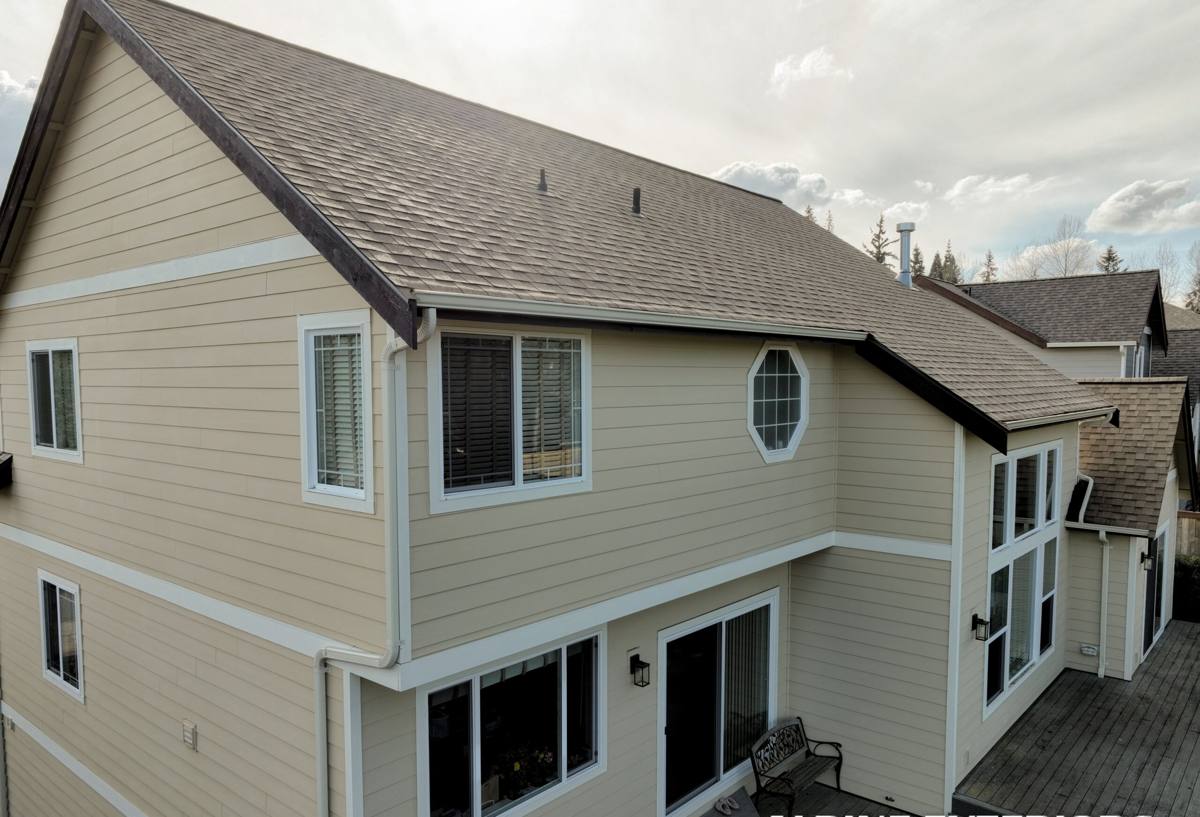
What Coastal Conditions Actually Do to Your Windows Over Time
Year-Round UV Exposure
Florida doesn't get a real off-season for sun. Constant UV exposure breaks down window seals, dries out old glazing compounds, and fades or warps vinyl and wood components faster than in most other parts of the country. On older aluminum-frame windows, you'll often see chalking, pitting, or frames that no longer seat glass tightly — all UV-related aging.
Wind-Driven Rain and Humidity
Storms here rarely come straight down. Wind pushes rain sideways and up under trim, sills, and poorly sealed frames. Combined with Pinellas County's high ambient humidity, that moisture intrusion leads to hidden rot in wood bucks, corrosion in metal components, and mold or mildew inside wall cavities that homeowners often don't discover until the damage is extensive.
Salt Air and Corrosion
Being this close to the Gulf and the Intracoastal means airborne salt settles on and around window hardware, screens, and frames continuously. Salt accelerates corrosion in fasteners, weep systems, and metal reinforcement inside window frames — issues that inland Pinellas homes simply deal with less often.
Hurricane-Force Wind Loads
Pinellas County sits in a designated wind-borne debris region under the Florida Building Code, and Belleair Bluffs' coastal position puts it squarely in that zone. Windows here need to be engineered and installed to resist sustained high wind pressure and flying debris impact, not just look good and open and close smoothly.
What a Correct Window Replacement Job Actually Involves
Swapping out glass and calling it done is how a lot of window problems get created rather than solved. A proper replacement in this climate addresses the whole opening, not just the window unit itself.
- Removing the old unit and inspecting the rough opening for rot, corrosion, or water damage before anything new goes in
- Correcting any framing or substrate issues found during removal — this is often the step that gets skipped by crews trying to move fast
- Installing new flashing and a proper drainage/weep path so wind-driven rain has somewhere to go
- Setting the window plumb, level, and square, then fastening it according to the manufacturer's tested installation instructions
- Sealing with the correct sealants and backer rod for both the interior and exterior — not just a bead of caulk around the trim
- Verifying the unit's product approval documentation matches what the permit requires for this wind zone
Insert vs. Full-Frame Replacement
Which approach is right depends on the condition of the existing frame and opening. Both are legitimate methods when the situation calls for them — the mistake is defaulting to the cheaper option regardless of what the opening actually needs.
| Approach | What It Involves | Best For |
|---|---|---|
| Insert (pocket) replacement | New window fits inside the existing frame, which stays in place | Frames that are still structurally sound with no rot, corrosion, or water damage |
| Full-frame replacement | Old frame is removed down to the rough opening and everything is rebuilt | Openings with damaged framing, failed flashing, or a change in window size/style |
Skipping a full-frame replacement when one is actually needed just seals existing damage behind a new window — a problem that resurfaces later as leaks or soft framing.
Choosing Windows Built for This Wind-Borne Debris Region
Every window installed in Pinellas County's coastal zone has to meet Florida Building Code requirements for this wind-borne debris region, which generally comes down to two paths: impact-rated glass that's tested to withstand debris impact and sustained pressure on its own, or standard glass paired with code-compliant shutters or panels that get deployed before a storm.
Why We Lean Toward Impact-Rated Glass
We generally recommend impact-rated windows for homes in this area, not because shutters don't work, but because of the trade-offs involved. Shutters only protect the window when someone is home and able to install them before a storm arrives, they add an extra maintenance and storage burden, and they don't do anything for the everyday UV and noise reduction that laminated impact glass provides year-round. Impact glass is simply doing its job all the time, not just during the two or three days a year you're actively preparing for a storm.
Frame Material Matters Too
| Frame Material | Coastal Performance | Trade-Offs |
|---|---|---|
| Vinyl | Won't corrode from salt air; good insulator | Can discolor or soften over many years of intense UV if lower-grade material is used |
| Aluminum | Strong and slim sightlines; long track record in Florida | Prone to corrosion over time if not properly coated/finished; conducts heat |
| Fiberglass | Very stable dimensionally, resists UV and moisture well | Higher upfront cost than vinyl or aluminum |
There's no single "correct" material for every home — it depends on your home's architectural style, budget, and how the window is oriented to sun and prevailing wind. What matters more than the material itself is that whatever is chosen carries the correct Florida product approval for this wind zone and glass package.
Our Window Replacement Process for Belleair Bluffs Homes
- On-site assessment — We look at your current windows, the condition of the openings, sun exposure on each elevation, and what your home's construction actually needs, not a generic recommendation.
- Product and glass package selection — We walk through frame material, glass options, and impact ratings so you understand what you're paying for and why.
- Permitting — We handle the permit application and make sure the product approval documentation on file matches what's being installed, so the job passes inspection the first time.
- Removal and opening prep — Old units come out, and any rot, corrosion, or flashing issues get addressed before a new window ever goes in.
- Installation — Windows are set, sealed, and fastened to manufacturer specifications for this wind zone.
- Final inspection and walkthrough — We confirm operation, sealing, and finish work with you before calling the job complete.
Why Hiring a Crew That Already Works Belleair Bluffs Matters
Window replacement isn't just about the product — it's about who's installing it and whether they understand the specific conditions of your street, your home's age, and the local permitting process. A crew that regularly works in Belleair Bluffs and the surrounding Clearwater and Pinellas County area already knows what inspectors are looking for locally, understands the common construction quirks of homes from this era, and isn't learning coastal installation practices on your project. That familiarity translates into fewer surprises, fewer callbacks, and a permit process that doesn't stall out over paperwork mismatches.
Signs It's Time to Replace, Not Repair
- Windows feel drafty or you can hear outside noise clearly even when closed
- Visible condensation or fogging between panes of double-glazed units — a sign the seal has failed
- Frames that are pitted, chalky, corroding, or no longer close and lock properly
- Soft or discolored drywall, trim, or sill area near a window, suggesting water intrusion
- Windows that don't carry any visible impact rating or product approval label and predate current code requirements
- Noticeably higher cooling costs compared to similar homes nearby, often tied to poor window seals
What Affects the Cost of a Window Replacement Project
Costs vary based on several factors, and we'd rather explain those factors honestly than throw out a number that doesn't reflect your actual home. Whole-home window replacement projects in this area typically run into the five figures, with individual window costs shaped by:
- Impact-rated vs. standard glass with shutter systems
- Frame material (vinyl, aluminum, or fiberglass)
- Whether the job is an insert replacement or requires full-frame work due to opening damage
- Number of openings and their sizes, including any custom or specialty shapes
- Interior and exterior trim or finish work needed to complete the installation
We provide a written estimate based on an actual look at your home, not a phone-quoted number, because opening condition alone can significantly change the scope of the job.
Keeping New Windows Performing in a Salt-Air Environment
Even correctly installed, high-quality windows need some upkeep in this climate to perform for their full expected lifespan. Rinsing frames and tracks periodically to remove salt buildup, keeping weep holes clear of debris, and checking exterior sealant for cracking after major storms all go a long way toward protecting your investment. Vinyl and fiberglass frames generally need less attention than aluminum, but no material is entirely maintenance-free this close to the Gulf.
If your windows in Belleair Bluffs are original to the home, showing wear, or you're simply not confident they'd hold up in the next major storm, we're happy to take a look and walk you through what we find. Use the form below to request a free, no-pressure estimate — we'll assess your specific windows and give you a straight answer on what your home actually needs.