 Clearwater Window
 Roofing in Belleair Bluffs: A Small Town With Big Weather Exposure
Belleair Bluffs sits tight against Clearwater Harbor and the Intracoastal Waterway in Pinellas County, wedged between Largo, Belleair, and Indian Rocks Beach. It's a small footprint, but the roofs here carry a heavier load than most people realize. Homes this close to open water take on salt-laden air, near-constant humidity, and direct exposure to whatever comes off the Gulf during storm season. A roof that would last three decades inland can wear out faster here if it wasn't built for this specific environment.
New roof installation in this part of Clearwater and Pinellas County isn't a one-size-fits-all job. It's a decision about materials, fastening methods, ventilation, and workmanship that has to account for hurricane-force wind loads, intense year-round UV, wind-driven rain, and salt air — all four, all the time, not just during a named storm.
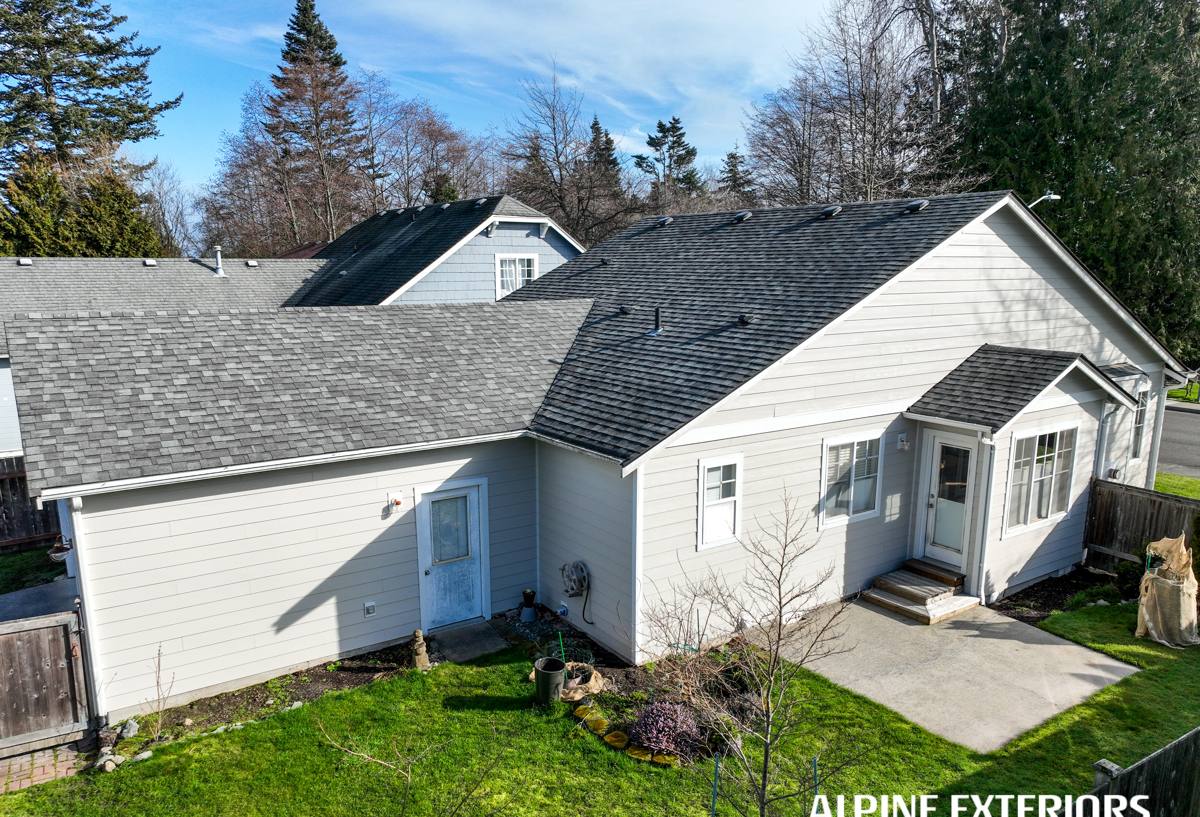
What Belleair Bluffs Homes Actually Need From a New Roof
Wind Resistance That Matches Local Code, Not the Bare Minimum
Pinellas County sits in a high-wind zone under the Florida Building Code, and homes near the water often carry even stricter design wind speed requirements than properties a few miles inland. A correct installation means every layer — deck attachment, underlayment, flashing, and the roof covering itself — is rated and fastened to meet or exceed the wind uplift pressures for this specific location, not a generic statewide minimum.
UV Stability Over Decades, Not Just Years
Florida sun is relentless on roofing materials. UV breaks down asphalt oils, degrades sealants, and fades color faster than in most other parts of the country. Materials and warranties should be selected with that reality in mind, not just judged on price or appearance on install day.
Salt Air Tolerance
Being close to the Intracoastal means airborne salt settles on every exterior surface, including the roof. Salt accelerates corrosion on exposed metal components — fasteners, flashing, vents, and drip edge — so material choice and hardware grade matter more here than they would twenty miles inland.
Proper Drainage for Wind-Driven Rain
Straight-down rain is rarely the problem in this area. Wind-driven rain during storms and even routine summer squalls pushes water sideways and upward under poorly sealed edges, valleys, and penetrations. A roof built for Belleair Bluffs needs flashing and underlayment details that account for water moving in directions a fair-weather installation wouldn't anticipate.
What a Correct New Roof Installation Actually Involves
A new roof is more than stripping old shingles and nailing down new ones. The parts most homeowners never see are usually the parts that determine whether the roof holds up in year fifteen or fails in year eight.
- Full tear-off to bare deck (not a layover) so the deck can be inspected and any rot or delamination addressed before anything new goes down
- Deck re-fastening to current code where the existing nailing pattern falls short
- Self-adhered or high-wind-rated synthetic underlayment installed as a true secondary water barrier
- New flashing at every wall, chimney, skylight, and roof-to-wall transition — reused flashing is a common shortcut that fails first
- Drip edge and starter course installed to manufacturer spec, not skipped or minimized
- Roof covering fastened per the manufacturer's high-wind installation instructions, which often exceed the building code baseline
- Ridge and soffit ventilation checked and corrected so the attic can actually breathe
- Final inspection and documentation suitable for permit closeout and insurance records
Roofing Material Comparison for Belleair Bluffs
There's no single "best" roofing material for every home — it depends on budget, roof shape, HOA or historic considerations, and how long you plan to own the home. Here's an honest breakdown of the main options we install in this area.
| Material | Typical Lifespan Here | Wind Performance | Salt Air / UV Notes |
|---|---|---|---|
| Architectural asphalt shingle (high-wind rated) | 18-25 years | Strong when installed per manufacturer high-wind spec; rated up to 130 mph on most premium lines | Good UV-stable granule options; asphalt oils still degrade faster in constant sun than inland |
| Standing seam metal | 35-50+ years | Excellent uplift resistance with proper clip spacing | Coastal-grade coatings resist salt corrosion; fastener and flashing metal type must be matched to avoid galvanic corrosion |
| Concrete or clay tile | 40-50+ years for the tile itself | Heavy and wind-resistant when fastened correctly, but underlayment failure is the real long-term risk | Tile itself is largely unaffected by salt or UV; underlayment beneath it is what ages and needs eventual replacement |
Cost generally runs lowest to highest in that same order — asphalt shingle, then metal, then tile — but installed cost varies with roof pitch, complexity, and how much decking repair is needed underneath the old roof. We'll walk you through real numbers for your specific roof rather than a generic range that doesn't apply to your house.
How Our Process Works
1. On-Site Inspection and Honest Assessment
We start by getting on the roof, not just looking at it from the driveway. We check the deck condition, existing ventilation, flashing details, and any signs of prior water intrusion before recommending a full replacement versus a repair.
2. Material and Scope Walkthrough
We explain the material options in plain terms — what fits your budget, your roof's shape, and how long you intend to stay in the home — without pushing a product that doesn't fit your situation.
3. Permitting
New roof installations in Pinellas County require a permit, and Belleair Bluffs enforces standard county and state building code requirements through its permitting process. We handle the permit application and coordinate required inspections so you're not the one chasing paperwork.
4. Tear-Off and Deck Inspection
Old roofing comes off down to the deck. Any soft, delaminated, or water-damaged sheathing gets identified and replaced before anything new is installed — this is the step that gets skipped by installers trying to move fast, and it's the step that determines how the roof performs in year ten.
5. Installation to High-Wind Spec
Underlayment, flashing, and the roof covering go on in that order, fastened according to the manufacturer's high-wind installation requirements for this wind zone.
6. Final Walkthrough and Documentation
We do a final inspection with you, confirm the permit closes out cleanly, and provide the paperwork you'll want on file for warranty coverage and insurance purposes.
Signs Your Belleair Bluffs Roof Needs Replacing, Not Just Repairing
Not every roof problem means a full replacement, but there's a point where patching stops making financial sense.
- Granule loss heavy enough that shingles look patchy or bald in sun-exposed areas
- Multiple past repairs in different areas of the roof rather than one isolated spot
- Visible sagging anywhere on the roof plane, which often points to deck damage
- Daylight visible through the attic decking or staining on interior ceilings
- The roof is approaching or past the manufacturer's rated lifespan for this climate, even if it "looks fine" from the ground
- Rising insurance premiums or non-renewal notices tied to roof age — increasingly common for older roofs near the coast
Why a Crew That Already Works Belleair Bluffs Matters
Roofing crews unfamiliar with this specific stretch of Pinellas County often underestimate what "coastal exposure" actually requires — they'll quote standard inland wind ratings, standard fastener grades, and standard ventilation without adjusting for a home three blocks from the Intracoastal. A crew that regularly works Belleair Bluffs and the surrounding Clearwater area already knows the county's permitting requirements, the wind zone specifics, and the practical realities of working close to the water — things like salvaging landscaping during tear-off, coordinating with tight lot access common in older coastal neighborhoods, and scheduling around this area's storm season rather than getting caught mid-project.
Local presence also matters after the install. If a fastener works loose or a flashing seam needs a look after the first big storm, a crew based in the area can get back out to your home quickly — not weeks later after finishing jobs across the county.
Choosing a Contractor for Your New Roof
Before signing anything, it's worth confirming a few basics that separate a legitimate local contractor from someone passing through after a storm.
- Valid Florida roofing license and current liability and workers' comp insurance — ask to see certificates, not just claims
- Written estimate that specifies materials, underlayment type, and fastening method, not just a total price
- Manufacturer certification for the products they're installing, especially for high-wind-rated systems
- Permit pulled in the contractor's name through Pinellas County or the appropriate local authority — never "owner-pull" permits on a job you didn't do yourself
- A physical local address and a track record of jobs in this area, not just a phone number
- Clear warranty terms in writing, covering both materials and workmanship separately
Get a Free, No-Pressure Estimate
If your roof is showing its age or you just want an honest read on where it stands, we're happy to take a look. The estimate is free, there's no pressure to commit on the spot, and you'll get a straight answer about whether you need a full replacement, a repair, or just a little more time. Fill out the form below to get started.