 Clearwater Window
 Asphalt Shingle Roofing Built for Harbor Oaks
Harbor Oaks sits close to Clearwater Harbor under a canopy of mature oaks, with a mix of older, established homes and newer construction on the same streets. That combination creates a specific set of roofing problems that a generic shingle job doesn't solve. Overhanging tree limbs drop debris and hold moisture against the roof deck. Many of the homes are decades old, which means the roof you're replacing may have layers of history under it — old nail patterns, deck damage, or ventilation that was never right to begin with. And because the neighborhood sits near open water, salt-laden air and wind-driven rain are part of daily wear, not an occasional event.
This page covers what an asphalt shingle roof needs to hold up in Harbor Oaks specifically, what a correctly installed system looks like, and how we approach the job from first look to final cleanup.
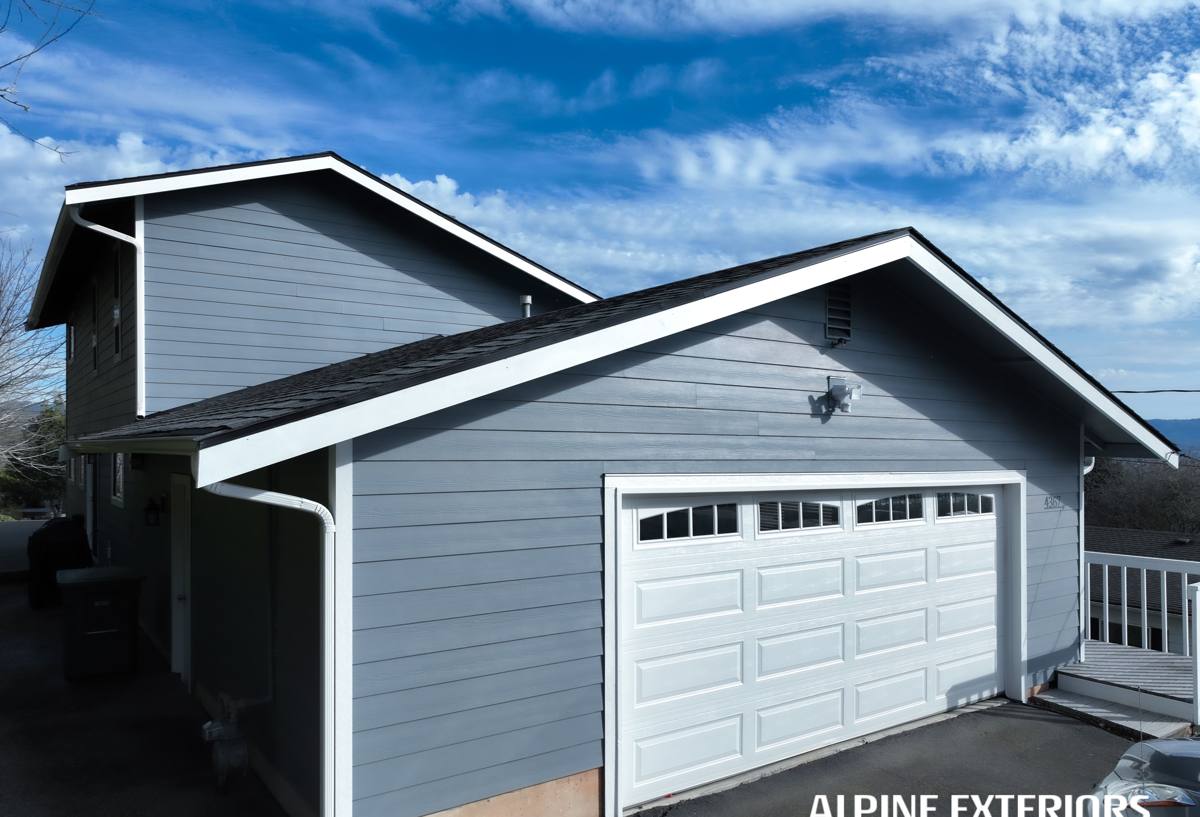
What This Location Does to a Roof
Hurricane-Force Wind
Pinellas County roofs are built to a wind design standard for a reason. Shingles don't usually fail because the material wore out — they fail because wind gets under an edge, a poorly sealed tab, or a weak nailing pattern and starts peeling from there. A single lifted shingle during a storm becomes an open path for water, and one bad section can turn into a full re-roof if it's not addressed quickly.
Year-Round UV Exposure
Florida sun is relentless on roofing in a way that most manufacturers' national warranties don't fully account for. UV breaks down the asphalt binder in shingles over time, which is what eventually leads to granule loss, brittleness, and cracking. A roof that would last 25+ years in a milder climate often shows its age faster here, especially on south- and west-facing slopes that take the most direct sun.
Wind-Driven Rain
Straight-down rain is easy for any roof to shed. Wind-driven rain — the kind that comes in sideways during a squall or tropical system — is a different problem. It gets pushed up under shingle edges, around flashing, and into any gap that wouldn't matter in calm weather. This is why underlayment choice and flashing detail work matter as much as the shingle itself.
Salt Air and Tree Canopy
Being close to the harbor means airborne salt settles on the roof and accelerates corrosion on any exposed metal — nail heads, flashing, vent stacks. Combine that with the shade and organic debris from Harbor Oaks' oak canopy, and you get roofs that hold moisture longer and are more prone to algae staining and slower drying after storms than a roof out in the open.
What a Correct Asphalt Shingle Job Actually Involves
A shingle roof is a system, not a single product. Getting the shingle brand right and getting everything underneath and around it right are two different things, and the second one is where most roofing problems actually start.
Deck Inspection and Repair
Before anything goes down, the plywood or OSB deck underneath needs to be sound. Soft spots, delamination, or old water staining get addressed before a single shingle is installed — covering a compromised deck just hides the problem until it comes back through the ceiling.
Underlayment
In a wind-driven rain climate, underlayment is a second line of defense, not a formality. Synthetic underlayment and self-adhered membrane at vulnerable areas (valleys, eaves, penetrations) give the roof a backup layer if wind ever forces water past the shingles themselves.
Nailing Pattern and Wind Rating
Shingles rated for high wind only perform to that rating if they're installed with the correct nail count and placement. This is one of the most common corners cut in low-bid roofing work, and it's invisible once the job is finished — until a storm tests it.
Flashing at Every Transition
Chimneys, walls, skylights, and roof-to-wall transitions are where leaks actually start far more often than in the open field of the roof. Correctly formed and sealed flashing at these points matters more to a roof's leak history than the shingle brand printed on the wrapper.
Ventilation
A hot, poorly ventilated attic bakes shingles from underneath and can shorten their life regardless of what's happening on top. Balanced intake and exhaust ventilation keeps attic temperatures in check and helps the shingles reach their expected lifespan.
Choosing a Shingle System for a Coastal Pinellas County Home
Not every asphalt shingle product is built the same way, and the right choice depends on your home's exposure, roof slope, and how long you want to go before the next re-roof.
| Shingle Type | Typical Wind Rating | Best Fit | Trade-Offs |
|---|---|---|---|
| 3-tab (standard) | Lower end of code-compliant range | Budget-conscious replacements, sheds, secondary structures | Shorter lifespan in intense UV and salt air; less wind margin |
| Architectural / laminated | Higher wind ratings, varies by product | Most Harbor Oaks homes — good balance of durability and cost | Higher upfront cost than 3-tab; still needs correct install to hit its rating |
| Impact-rated architectural | Highest available in asphalt category | Homes wanting maximum storm resilience or insurance credit consideration | Highest material cost; benefit depends on local insurance underwriting |
For most homes in this neighborhood, a quality architectural shingle rated for high wind, installed with the correct nailing and flashing detail, is the practical sweet spot. We'll walk through the honest trade-offs for your specific roof rather than defaulting to the most expensive option.
Repair, Partial Replacement, or Full Re-Roof
Not every roofing problem in Harbor Oaks needs a full tear-off. The right call depends on the roof's age, how much of it is affected, and what's happening underneath the shingles.
| Situation | Likely Approach | What We Check |
|---|---|---|
| Isolated wind damage, roof under 10-12 years old | Targeted repair | Deck condition under damaged area, matching shingle availability |
| Recurring leaks at one flashing point | Flashing repair or rebuild | Whether the leak is isolated or a sign of wider deck moisture |
| Roof nearing or past expected lifespan | Full replacement | Overall granule loss, deck soundness, ventilation adequacy |
| Older home with unknown roofing history | Full inspection before any work | Layers of old roofing, deck integrity, code compliance of prior work |
Our Process, Start to Finish
- On-site inspection — we get on the roof (or use a drone where access is limited) and check the deck, flashing, ventilation, and existing shingle condition, not just what's visible from the ground.
- Honest scope and estimate — you get a clear breakdown of what needs to be done and why, including whether a repair is genuinely enough or a replacement is the smarter long-term move.
- Material selection — we go over shingle options suited to your home's exposure and budget, including wind rating and expected performance in this climate.
- Protection of property — landscaping, driveways, and pool areas get covered before tear-off starts, and we account for the oak canopy common on Harbor Oaks lots when planning debris containment.
- Tear-off and deck repair — old roofing comes off down to the deck, and any compromised decking is replaced before new material goes down.
- Underlayment, flashing, and shingle installation — installed to the nailing pattern and detail work the wind rating actually requires.
- Cleanup and magnetic nail sweep — full site cleanup, including a nail sweep of the yard and driveway.
- Final walkthrough — we review the finished roof with you before calling the job complete.
Signs Your Harbor Oaks Roof Needs a Look
- Granules collecting in gutters or at downspout runoff points
- Curling, cupping, or cracked shingles, especially on south- or west-facing slopes
- Dark streaking or algae growth in shaded areas under the tree canopy
- Soft spots or sagging visible from the ground or attic
- Water stains on interior ceilings, especially near chimneys or wall transitions
- Missing shingles or exposed nail heads after any storm with high wind
- Visible rust or lifted metal at flashing points
- A roof approaching or past 15-20 years old with no major work done
Why It Matters to Hire a Crew That Already Works This Neighborhood
Harbor Oaks isn't a generic subdivision, and treating it like one leads to avoidable problems. Several parts of the neighborhood include older and historically notable homes, which can mean extra care is warranted around matching rooflines, working around mature landscaping, and being aware that some exterior work may involve additional review depending on the property. A crew that regularly works in areas like this knows to ask the right questions up front rather than running into surprises mid-project.
There's also a practical side: familiarity with Clearwater and Pinellas County permitting, local wind-load code requirements, and typical roof-to-wall details on homes of this era means fewer delays and fewer callbacks. A crew that's done this work up and down the same streets isn't guessing at what this climate and this neighborhood require — they've already seen how it plays out.
Keeping the Roof Sound Between Jobs
A correctly installed roof still benefits from basic upkeep, particularly under an oak canopy near the water:
- Clear gutters and downspouts regularly so water isn't backing up under the roof edge
- Trim overhanging limbs that hold moisture against the roof or scrape shingles in wind
- Have the roof looked at after any named storm or significant wind event, even if nothing looks obviously wrong
- Address small leaks or lifted shingles promptly rather than waiting for the next inspection cycle
If it's been a while since your Harbor Oaks roof was inspected, or you're planning ahead for a replacement, we're glad to take a look and give you a straight answer about what it actually needs. Use the form below to request a free, no-pressure estimate.