 Clearwater Window
 Roof Repair Built for Sunset Point's Coastal Conditions
Sunset Point sits close enough to the water that its roofs live a harder life than a roof fifteen miles inland. Between the salt-laden air off Clearwater Harbor, the intensity of a Gulf Coast sun, and the wind and rain that come through Pinellas County every hurricane season, a roof here takes a beating that most manufacturers' warranties were never really written for. Roof repair in this neighborhood isn't just patch-and-go work — it's diagnosing what the coastal climate has already done to the roof and fixing it in a way that holds up to what's coming next.
This page covers what we look for on a Sunset Point roof repair call, what a repair actually needs to include to be worth doing, and why hiring a crew that already works this specific area gets you a better outcome than a contractor pulling permits across three counties.
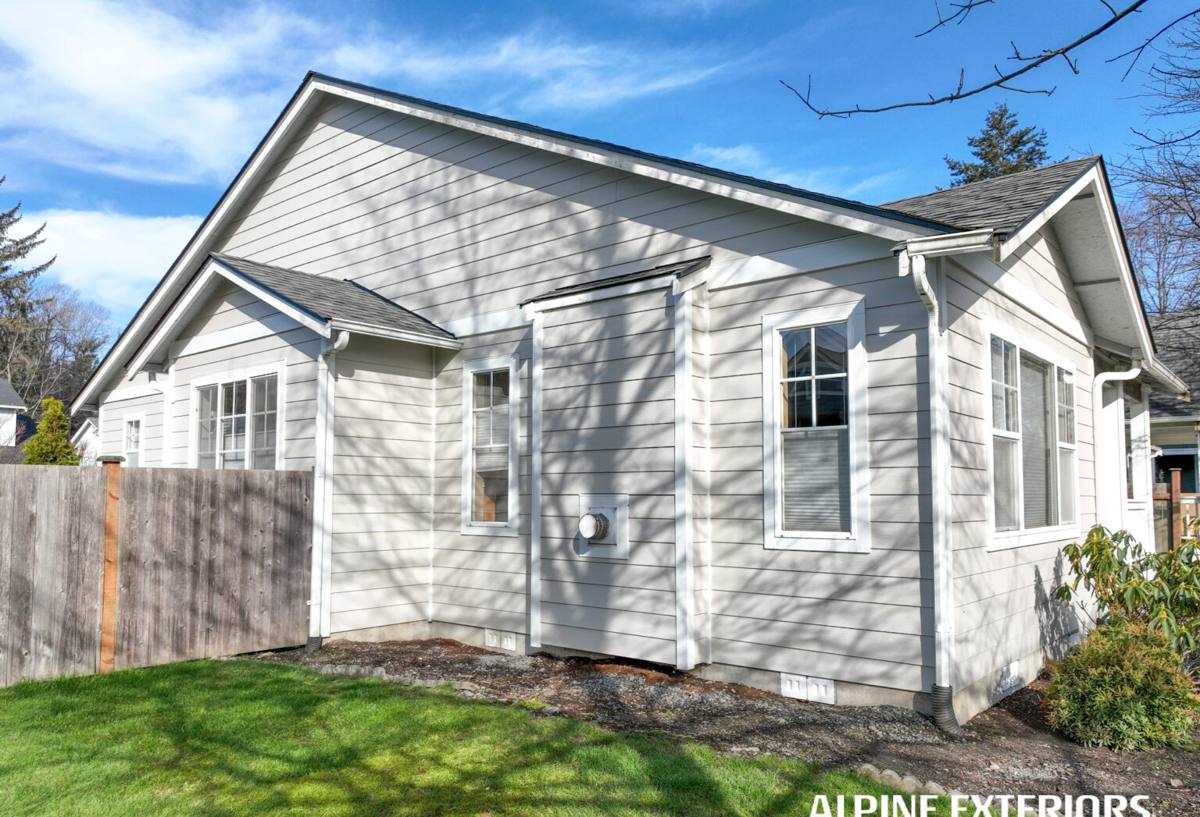
What Sunset Point Roofs Are Up Against
Every roof in Clearwater deals with heat and rain. What makes a neighborhood like Sunset Point different is the combination and the frequency:
- Salt air corrosion. Proximity to the harbor means metal fasteners, flashing, vent boots, and exposed nail heads corrode faster than they would inland. Corroded fasteners back out or fail quietly, long before a shingle looks obviously bad.
- UV degradation. Florida sun is close to year-round and intense. Asphalt shingles lose their oils and granules faster here, and any exposed sealant or caulking dries out and cracks sooner than the product's rated life would suggest.
- Wind-driven rain. Storms in this part of Pinellas County rarely come straight down. Rain gets pushed sideways under ridge caps, up under shingle tabs, and into any gap in flashing that wouldn't leak in a calm rain. This is why a roof can pass a dry-weather inspection and still leak in a tropical storm.
- Hurricane-force wind loading. Even roofs that never take a direct hurricane hit get repeatedly stressed by tropical storm winds, which loosen fastener patterns and lift shingle edges a little more each season.
- Humidity and attic moisture. Warm, humid air trapped in a poorly ventilated attic accelerates deck rot from the inside, which is a completely separate problem from a leak on the outside and gets missed if nobody checks the attic.
None of these show up as one dramatic failure. They stack quietly over years, which is why so many Clearwater roof repair calls turn out to be several small, related problems rather than one obvious one.
Common Roof Repair Issues We See Near Sunset Point
Wind-lifted or missing shingles
After a windstorm, a homeowner usually notices a bald patch or shingles in the yard. What's less obvious is the row of shingles nearby that got lifted and re-sealed poorly on their own — those need to be addressed too, or they'll fail again in the next blow.
Flashing failures
Flashing around chimneys, skylights, sidewalls, and roof-to-wall transitions is where most leaks actually start, not in the field of the roof itself. Salt air corrosion and thermal expansion/contraction both work against flashing seals over time.
Vent boot and penetration cracking
The rubber or plastic boots around plumbing vents are one of the shortest-lived parts of any roof in this climate. UV exposure cracks them, usually years before the shingles around them need attention.
Nail pops and fastener backout
Corrosion and repeated wind flex work fasteners loose. A popped nail telegraphs through the shingle and creates a small entry point for water that gets worse with every rain.
Soft or rotted decking
Found under shingles that have been leaking slowly for a while. This is the repair that turns a simple job into a bigger one — but skipping it and just re-covering rotten decking is how a "repair" fails again in a year.
What a Correct Repair Actually Involves
A roof repair done right isn't just replacing what's visibly damaged. It starts with a proper diagnosis, not an assumption.
1. Find the actual source, not just the symptom
Water travels. A stain on a ceiling can be feet away from where the water is actually entering the roof. We trace leaks back to their source — flashing, a penetration, a wind-damaged shingle course — before we start any repair, so we're not guessing.
2. Check the decking, not just the surface
If there's been any sign of moisture intrusion, we check the roof deck underneath. Soft, delaminated, or rotted decking has to be cut out and replaced before new shingles or flashing go back on. Covering rot is not a repair.
3. Match materials and fastening for the coastal environment
We use corrosion-resistant fasteners and flashing appropriate for a salt-air environment, not whatever is cheapest at the supply house. This matters more in Sunset Point than it would ten miles inland.
4. Reseal and reintegrate, not just patch
New flashing or shingles have to tie back into the surrounding roof correctly — proper shingle overlap, correctly lapped flashing, and compatible sealant — so the repair sheds water the same way the rest of the roof does, rather than becoming its own weak point.
5. Check attic ventilation while we're up there
Since heat and trapped moisture accelerate deck and shingle failure from below, a repair call is a reasonable time to check that soffit and ridge ventilation are actually doing their job.
Repair Cost Factors
Every roof repair is priced around the same handful of variables. This is what actually drives the number up or down on a Sunset Point job:
| Factor | Why it matters |
|---|---|
| Extent of decking replacement | Rotted plywood or OSB adds material and labor beyond the surface repair |
| Roof pitch and access | Steeper roofs and tight lot access near the water take longer to work safely |
| Number and type of penetrations | Each vent, skylight, or chimney flashing detail adds its own labor |
| Shingle age and match | Older roofs may need color-blended or discontinued shingles sourced for a clean patch |
| Storm demand and material availability | Material and scheduling costs shift after a significant regional storm event |
We give a firm, written price after inspection — not a phone-quote guess — because two roofs that look similar from the driveway can have very different amounts of hidden decking damage.
Repair or Replace?
Not every roof problem needs a full replacement, and not every leak should be treated as "just a patch." Here's the general logic we use:
| Repair usually makes sense when | Replacement usually makes sense when |
|---|---|
| Damage is localized to one area or system (one section of flashing, a handful of shingles) | Damage or wear is spread across most of the roof |
| The roof is younger than its expected service life | The roof is near or past the end of its expected life and repairs are becoming frequent |
| Decking underneath is sound | Widespread decking rot is found once shingles are pulled back |
| The shingle line is still available to match | Shingles are discontinued and patches would be visibly mismatched |
We'll tell you honestly which category your roof falls into — including when a repair is the right call even though a replacement would obviously be more revenue for us.
Materials We Work With
| Material | How it holds up in this climate |
|---|---|
| Architectural asphalt shingle | Good UV and wind-rated options available; most common re-roof and repair material in this area |
| Standing seam metal | Strong wind performance and long service life; needs correctly detailed fastening to resist salt-air corrosion |
| Tile (concrete or clay) | Very durable against sun and wind when the underlayment and flashing beneath it are sound; most tile "leaks" are actually underlayment failures |
| Flat/low-slope membrane | Common on additions and porches; seams and flashing terminations are the points that need the most attention in wind-driven rain |
We match the repair to whatever is already on the roof rather than pushing a different system mid-repair — consistency of materials matters for both performance and appearance.
Our Repair Process
- Inspection. We walk the roof, check the attic where accessible, and identify every contributing issue — not just the one that prompted the call.
- Written scope and price. A clear explanation of what's damaged, what needs replacing, and a firm price before any work starts.
- Repair. Decking replaced where needed, flashing and penetrations properly resealed, matching shingles or material installed with corrosion-resistant fasteners.
- Cleanup and check. Site cleaned of debris and old material, and the repaired area checked for proper water shedding before we call it done.
- Documentation. You get a record of what was found and what was repaired, useful for insurance purposes or your own records.
Why a Crew That Already Works Sunset Point Matters
Roofing here isn't the same trade as roofing in a landlocked part of the state. A crew that regularly works this stretch of Clearwater already knows which flashing details actually hold up against salt air, how local wind exposure tends to load a roof compared to more sheltered inland lots, and what Pinellas County permitting and inspection requirements apply to a given scope of repair. That local familiarity shows up in fewer callbacks — the repair is designed for the conditions it actually has to survive, not generic conditions.
It also means faster response after a storm. When wind or rain damage hits a neighborhood, a crew already working in the area can get eyes on a roof sooner than one dispatching from across the metro.
Roof Maintenance Between Repairs
A repair lasts longer when the rest of the roof is kept in reasonable shape. Simple habits that make a real difference in this climate:
- Clear leaves and debris from valleys and gutters so water isn't pooling or backing up under shingle edges
- Trim overhanging branches that scrape shingles in wind and drop debris onto the roof
- Have the roof looked at after any significant wind event, even if nothing looks obviously wrong from the ground
- Keep an eye on attic ventilation — a hot, stuffy attic in summer is often a sign of a ventilation problem accelerating wear from underneath
- Address small leaks immediately rather than waiting — a small leak in this climate rarely stays small for long
If you're dealing with a leak, storm damage, or just want an honest read on where your roof stands, we're glad to take a look. Fill out the form below for a free, no-pressure estimate — we'll tell you what we find and what it actually needs, not what's easiest to sell.