 Clearwater Window
 Roofing in Sunset Point Has to Answer to the Climate
Sunset Point is a residential stretch of Clearwater in Pinellas County, and like the rest of the barrier-island and near-coastal parts of our area, the homes here take a different kind of punishment than roofs inland. You've got hurricane-force wind gusts that test every nail and fastener pattern, sun exposure that runs almost year-round instead of seasonal, wind-driven rain that finds any weak seam in a roof system, and salt-laden air that speeds up corrosion on anything metal. A roof that's rated for a mild climate somewhere else is not automatically the right roof for Sunset Point, even if it looks fine on a spec sheet.
When we install a new roof on a Sunset Point home, we're not just covering the house — we're building a system meant to hold up to that specific combination of stressors for its full service life, not just its first few years.
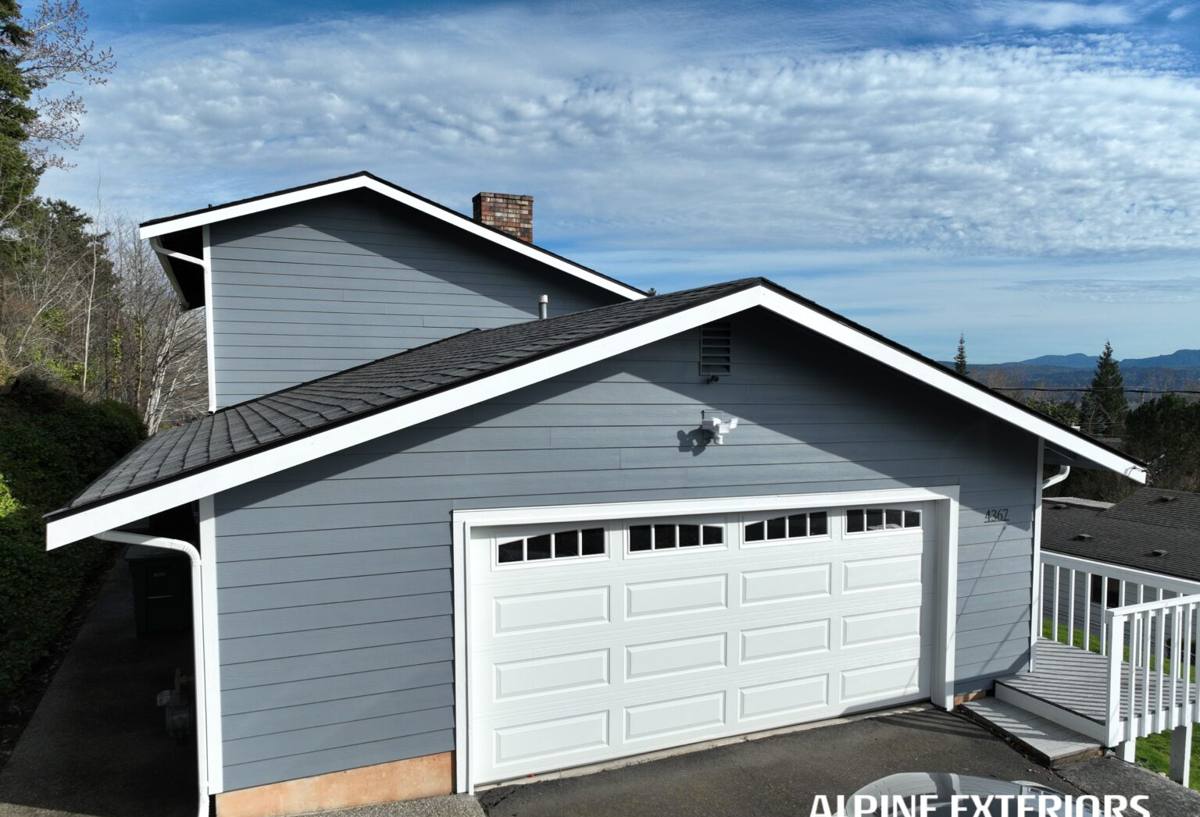
Signs a Sunset Point Home Needs a New Roof, Not Another Repair
Roof repairs make sense when the damage is isolated and the rest of the roof still has useful life left. Full replacement makes sense when the roof as a system is past the point where patching is a good use of money. Some signs point clearly toward replacement:
- Shingles that are cupping, curling, or losing granules across large sections rather than one spot
- Multiple past repairs in different areas, especially around flashing and penetrations
- Visible sagging anywhere in the roof deck
- Daylight visible through the attic decking or boards, or consistent moisture stains on interior ceilings
- A roof nearing or past the manufacturer's expected service life for our climate, even if it "looks okay" from the ground
- Rising insurance premiums or non-renewal notices tied to roof age or condition
- Visible rust streaking or corrosion around metal flashing, vents, or fasteners from salt air exposure
If your roof is showing two or more of these, it's worth having someone look at the whole system rather than chasing leaks one at a time.
What a Correct New Roof Installation Actually Involves
Full Tear-Off, Not Overlay
We remove the existing roofing material down to the deck rather than layering new shingles or panels over old ones. Overlaying hides problems instead of fixing them, adds weight the structure wasn't designed to carry long-term, and voids most manufacturer warranties outright. A tear-off is more labor, but it's the only way to actually inspect and correct what's underneath.
Deck Inspection and Repair
Once the old material is off, we inspect the decking itself for soft spots, rot, or delamination — problems that are invisible until the old roof is stripped away. Any compromised sections get replaced before anything new goes down. Skipping this step is one of the most common ways a "new roof" fails early.
Underlayment and Water Barrier
Given how much wind-driven rain this area sees, the underlayment layer matters as much as the visible roofing material. We use underlayment systems suited to high-wind, high-moisture climates, with self-adhering membrane at valleys, eaves, and other water-prone areas where a standard felt layer isn't enough protection on its own.
Flashing and Penetrations
Chimneys, vents, skylights, and roof-to-wall transitions are where most leaks actually originate — rarely the open field of the roof itself. Correct flashing work, and metal that's specified to resist salt-air corrosion rather than standard galvanized product, is not optional detail work. It's a core part of the installation.
Fastening for Wind Resistance
Nailing patterns, fastener count, and fastener type all affect a roof's actual wind rating in practice, not just on paper. We follow fastening schedules built for our wind zone rather than a manufacturer's minimum standard, since Pinellas County code and our local wind exposure often call for more than the bare minimum.
Ventilation
A roof deck that can't breathe traps heat and moisture, which shortens the life of the roofing material from underneath and can drive up attic temperatures. Proper intake and exhaust ventilation is part of a correct installation, not an upsell.
Comparing Roofing Materials for a Sunset Point Home
There's no single "best" roofing material for every house — it depends on your budget, your roof's structure, and how long you plan to own the home. Here's an honest comparison of the options we install most often in this area:
| Material | Typical Lifespan | Wind Performance | Maintenance | Relative Cost |
|---|---|---|---|---|
| Architectural asphalt shingle | 20–30 years | Good, with high-wind fastening and rated products | Low to moderate | $ |
| Standing seam metal | 40–50+ years | Excellent when properly fastened | Low | $$$ |
| Concrete or clay tile | 40–50+ years | Excellent for the field; underlayment is the weak point | Moderate (periodic underlayment renewal) | $$$ |
| 3-tab asphalt shingle | 15–20 years | Fair; lower wind rating than architectural shingle | Moderate | $ |
Tile roofs often outlast their underlayment by a wide margin — the tile itself can look fine for decades while the water barrier underneath has quietly failed, which is why we're careful about underlayment choice and eventual re-roofing timing when tile is involved. Metal costs more upfront but carries the lowest long-term maintenance burden in a salt-air environment when it's a coated, corrosion-resistant product installed correctly.
Permits, Codes, and Wind Mitigation
New roof installations in Pinellas County require a permit and inspection — this isn't paperwork you want skipped, since an unpermitted roof can create real problems at resale or with an insurance claim down the line. We pull the required permits and schedule the inspections as part of the job, not as something the homeowner has to chase down separately.
It's also worth asking your installer about a wind mitigation inspection once the new roof is complete. A properly documented new roof, with the right fastening, decking attachment, and secondary water barrier, can qualify a home for meaningful homeowners insurance discounts in Florida. That paperwork is easy to generate right after installation and much harder to reconstruct years later.
How Our Roofing Process Works
- On-site inspection and estimate. We walk the roof, check the attic where accessible, and give you a written scope and price before any work starts — no pressure, no gimmick "today only" pricing.
- Material selection. We go over the honest trade-offs between shingle, metal, and tile for your specific roof and budget, rather than pushing one product line.
- Permitting. We handle the Pinellas County permit application and schedule required inspections.
- Protection setup. Landscaping, gutters, and the areas around the home are protected before tear-off begins.
- Tear-off and deck inspection. Old material comes off completely; any deck repairs are identified and priced before covering anything up.
- Installation. Underlayment, flashing, ventilation, and the finish material go in following the fastening and detail standards described above.
- Site cleanup. Full cleanup including a magnetic sweep for stray nails, since roofing debris left behind is a real hazard, not just an inconvenience.
- Final walkthrough and inspection. We review the finished roof with you and coordinate the final county inspection.
Why a Crew That Already Works Sunset Point Matters
Roofing crews that work regularly in this specific part of Clearwater get a practical education that generic experience doesn't replace: which flashing details actually hold up to salt air over years, how local building department inspectors expect a job documented, and what wind exposure a given block realistically sees versus what a general Florida wind map suggests. That local repetition shows up in fewer callbacks and fewer surprises during inspection. It also means faster response if a storm does cause damage down the road — a crew already familiar with your neighborhood and your roof's history isn't starting from zero.
Licensing and insurance matter everywhere, but they matter more on a roof, where a bad install is both expensive to fix and dangerous to leave alone. Always confirm a Florida roofing license and current insurance before signing anything, and be cautious of storm-chasing crews that show up after a hurricane with no local address or history in the area.
Protecting Your Investment After Installation
A new roof isn't fully maintenance-free, even a good one. A couple of habits go a long way in this climate:
- Have the roof visually inspected after any major storm, even if there's no obvious interior leak
- Keep gutters and downspouts clear so water isn't backing up under the roof edge
- Trim overhanging branches that can abrade shingles or tile in wind
- Address minor flashing or sealant issues promptly rather than waiting for a leak to show up inside
These small steps are far cheaper than the water damage that follows when a small problem goes unnoticed for a season or two.
If your Sunset Point roof is showing its age or you just want an honest read on where it stands, we're happy to take a look. Fill out the form below for a free, no-pressure estimate — we'll tell you what we actually see, not just what sells a job.