 Clearwater Window
 Siding Replacement in Largo: What Local Homes Are Up Against
Largo sits inland from the Gulf but still gets the full weather package that defines Pinellas County living: long stretches of intense UV, sudden downpours pushed sideways by wind, and salt-laden air that drifts in from both Clearwater Harbor and Tampa Bay. Add in the risk of hurricane-force gusts during storm season, and it's easy to see why siding here fails faster than the same product would in a drier, cooler climate. If you're a Largo homeowner staring down cracked, bubbling, or soft siding, the goal of this page is simple: explain what your siding actually needs to survive here, what a correct replacement job looks like, and how our process works from first call to final walkthrough.
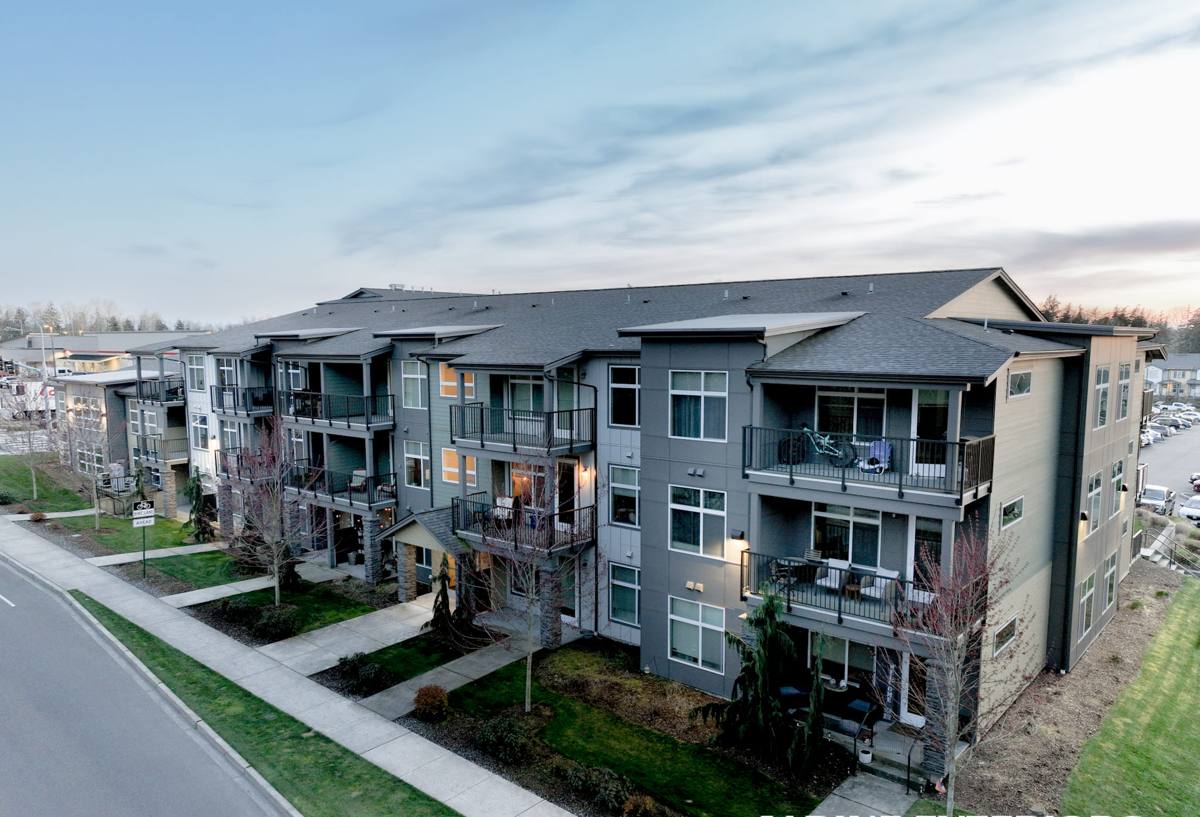
Why Siding Wears Out Faster in This Part of Florida
Every siding material eventually needs replacing, but the timeline in Largo is compressed compared to most of the country. A few specific stressors are at work:
UV Exposure
Florida's sun angle and year-round intensity break down paint films, plastics, and adhesives faster than almost anywhere else in the continental U.S. Siding that isn't engineered or finished for UV resistance will fade, chalk, or become brittle well ahead of its rated lifespan.
Wind-Driven Rain
It's rarely just rain in this area — it's rain pushed horizontally into wall assemblies during afternoon storms and tropical systems. Siding, flashing, and seams that aren't detailed correctly let moisture behind the cladding, where it can sit against sheathing and framing long after the storm passes.
Salt Air
Largo isn't beachfront, but it's close enough to the Gulf and the bay that airborne salt reaches homes on a regular basis. Salt accelerates corrosion of fasteners and trim, and it degrades certain siding finishes and substrates faster than inland climates ever would.
Storm Wind Loads
Hurricane-force wind events put direct pressure and uplift on exterior walls. Siding that isn't rated and fastened for local wind speeds can lift, crack, or blow off entirely — turning a cosmetic problem into an open envelope during the worst possible weather.
Signs Largo Homeowners Should Not Ignore
- Panels or boards that are soft, spongy, or crumbling when pressed
- Visible cracking, especially around butt joints and corners
- Paint that's peeling, bubbling, or chalking heavily when touched
- Warping, buckling, or waviness along wall sections
- Persistent staining or dark streaks that don't wash off
- Musty odors near exterior walls, which can point to trapped moisture
- Visible gaps at seams, corners, or around windows and doors
- Siding that flexes or moves noticeably in wind
Any one of these can be an isolated repair. Several at once, especially on a home over 15-20 years old, usually means the siding system as a whole is past the point where patching makes sense.
What a Correct Siding Replacement Actually Involves
Siding replacement isn't just swapping old boards for new ones. In a climate like this, the assembly behind the siding matters as much as the siding itself.
Full Tear-Off and Inspection
We remove the old siding completely rather than installing over it. That's the only way to actually see the sheathing and framing underneath — which is where hidden moisture damage, soft spots, or prior water intrusion tend to hide.
Sheathing Repair
Any damaged or compromised sheathing gets addressed before new siding goes up. Installing new siding over a weak substrate just hides a structural problem behind a fresh face.
Weather-Resistive Barrier
A properly lapped and sealed water-resistive barrier goes on before the siding. This is the layer that manages any moisture that gets past the cladding during wind-driven rain — and it has to be installed correctly to do its job.
Flashing at Every Penetration
Windows, doors, vents, hose bibs, and any other wall penetration need correct flashing detail. This is one of the most common places poor installations fail, because it's easy to rush and hard to inspect once the siding is closed up.
Fastening for Wind Resistance
Fastener type, spacing, and placement all affect how well siding holds up under wind load. Following the manufacturer's installation specification isn't optional here — it's what determines whether the siding stays attached during a real storm event.
Why We Install James Hardie Fiber Cement and Nothing Else
We made a deliberate decision to install only James Hardie fiber cement siding, and we don't install vinyl, LP SmartSide, or other fiber cement brands. That's not a marketing position — it's a standard we hold because of what we've seen this climate do to exterior products over time.
Vinyl siding is affordable and easy to install, but it softens and can warp under sustained direct sun, and it has real limits in high-wind conditions unless installed and rated carefully. In a market with both intense UV and hurricane wind exposure, those two weaknesses compound each other.
Wood-based composite siding products bring real advantages in workability and appearance, but they're more sensitive to moisture intrusion at cut edges and seams than fiber cement. In a climate defined by wind-driven rain, that sensitivity matters, and it puts more pressure on perfect installation and long-term caulking maintenance to avoid moisture problems.
James Hardie fiber cement is engineered specifically for this: it's non-combustible, holds up to humidity and moisture exposure far better than wood-based products, and its ColorPlus factory-applied finish is baked on to resist Florida's UV load better than field-applied paint. Hardie also offers HZ5 product lines engineered for high-humidity, high-moisture climates like ours, backed by a strong transferable warranty. When it's installed to spec — correct fastening, correct clearances, correct flashing — it's the product we trust to actually hold up here, not just look good on install day.
Siding Options Compared for This Climate
| Factor | Vinyl | Wood-Based Composite | James Hardie Fiber Cement |
|---|---|---|---|
| UV / fade resistance | Fades and chalks over time | Depends on field-applied paint upkeep | Factory ColorPlus finish resists fading |
| Wind performance | Limited unless specifically rated | Good when installed correctly | Engineered and rated for high-wind zones |
| Moisture / humidity resistance | Doesn't absorb, but seams can fail | More sensitive at cut edges and seams | Strong resistance, HZ5 lines for humid climates |
| Combustibility | Combustible | Combustible | Non-combustible |
| Maintenance | Low, but limited repair options | Regular paint/caulk upkeep needed | Low, factory finish reduces repainting |
Cost Factors for a Largo Siding Replacement
Every home is different, and we won't quote a number without seeing the property, but a few factors consistently drive cost on siding replacement projects in this area:
- Total square footage of exterior wall area
- Home's architectural complexity (corners, gables, dormers, trim details)
- Condition of the sheathing underneath the existing siding
- Whether existing siding needs full removal and disposal
- Number and complexity of window, door, and other wall penetrations
- Product line and profile selected within the James Hardie system
- Accessibility of the home (stories, obstructions, site access)
The only way to get an accurate number is a physical inspection — anything quoted sight unseen should be treated as a rough placeholder at best.
Our Process for Largo Homeowners
We approach every siding replacement in the same structured way, whether the home is a single-story ranch or a larger two-story property:
- On-site inspection to assess current siding, sheathing condition, and problem areas
- Honest recommendation on repair versus full replacement based on what we actually find
- Written proposal detailing product line, scope, and timeline
- Full tear-off, sheathing repair as needed, and correct weather-barrier installation
- James Hardie installation following manufacturer fastening and flashing specifications
- Final walkthrough so you can see the completed work and ask questions before we consider the job done
Working in Largo and the surrounding Pinellas County area regularly means we're familiar with the permitting expectations and the wind and moisture demands local homes actually face — not applying a generic installation approach borrowed from a different climate.
Why Local Experience Matters on This Job
Siding installation looks similar everywhere on paper, but the details that make it hold up long-term change depending on climate. A crew that mostly works in drier, milder regions may not default to the flashing rigor, fastening patterns, or moisture management that Pinellas County homes require. Choosing a contractor who already works in Largo and understands what wind-driven rain, sustained UV, and salt air do to a wall assembly over time reduces the chance of callbacks, premature failure, or storm damage down the road.
If your Largo home's siding is showing wear, or you just want an honest read on whether repair or full replacement makes more sense, we're glad to take a look. Request a free, no-pressure estimate using the form below and we'll walk the property with you before recommending anything.