 Clearwater Window
 Siding in Sunset Point Faces a Different Climate Than Most of the Country
Homes in the Sunset Point area of Clearwater sit close to Clearwater Harbor and the Intracoastal Waterway, which means the exterior of the house is doing more work than siding on a typical inland home. Salt-laden air moves off the water and settles on painted and coated surfaces year-round, accelerating corrosion of fasteners and trim and breaking down lower-grade finishes faster than manufacturers' glossy brochures suggest. Add in wind-driven rain during summer storms, the sustained UV load of a Gulf Coast sun that beats on west- and south-facing walls almost every day of the year, and the real possibility of hurricane-force gusts during the season, and you have an exterior envelope that has to perform, not just look good on installation day.
Siding that's rated for a mild climate — or installed to a generic national spec instead of the local wind and moisture reality — tends to show its age in Pinellas County years before it would somewhere drier and cooler. That's the starting point for how we approach every siding job in Sunset Point: the product and the installation both have to be matched to what this specific stretch of coastline actually does to a house.
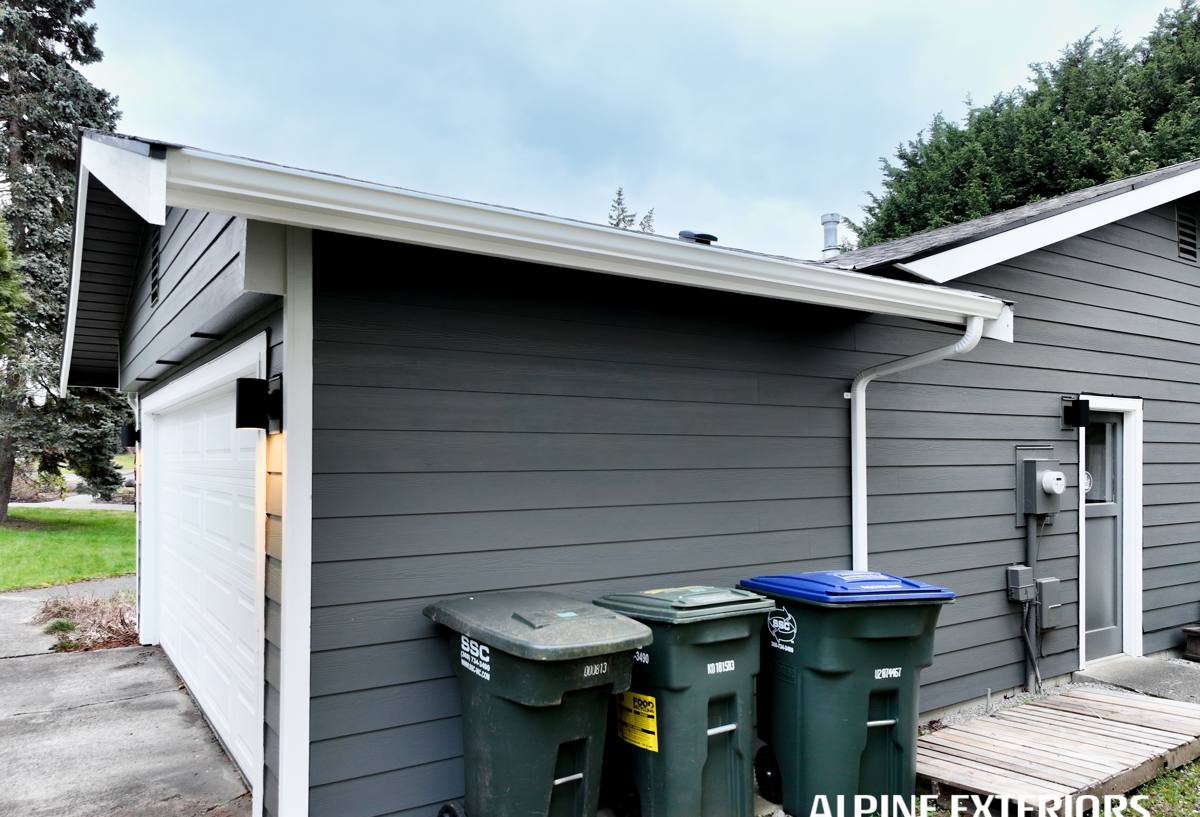
What "Correct" Siding Installation Actually Means
Siding failures in this climate are rarely about the material looking wrong on day one. They show up two, five, or ten years later — as buckling, soft spots, staining at the seams, or moisture damage behind the cladding that nobody sees until a wall is opened up. Almost all of that traces back to installation details that get rushed or skipped. A correct installation includes:
Weather-Resistive Barrier and Flashing
Every seam, window, door, and penetration needs a continuous drainage plane behind the siding, with flashing that actually sheds water downward and outward instead of trapping it against the sheathing. In a wind-driven-rain climate like Clearwater's, water will find any gap in this system eventually — the barrier is what keeps that water from reaching the wood framing underneath.
Fastening for High-Wind Zones
Pinellas County sits in a high-velocity hurricane zone, and fastener type, spacing, and embedment all have to match the manufacturer's requirements for that wind exposure — not a generic fastening schedule. Under-fastened or improperly placed nails are one of the most common reasons siding fails in a storm, and it's invisible from the ground until the wind tests it.
Clearances and Drainage
Fiber cement siding needs proper clearance from the roofline, decks, patios, and grade, plus back-ventilation so moisture that does get behind the panel can dry out instead of sitting against the substrate. This is one of the details that's easy to shortcut and hard to notice until staining or softness appears at the bottom courses.
Why We Install Only James Hardie Fiber Cement Siding
We made a decision as a company to install James Hardie fiber cement exclusively, and we don't install vinyl, LP SmartSide, primed wood, or other fiber cement brands. That's not a marketing position — it's based on watching how different siding materials actually hold up along this coast over time.
Fiber cement is non-combustible, which matters in a state where lightning and grass fires are a real consideration, and it doesn't soften, sag, or distort in high heat the way vinyl can on a west-facing wall that spends summer afternoons in direct Florida sun. James Hardie's HZ5 product line is engineered specifically for high-humidity, hurricane-exposure regions like ours, with moisture and freeze-thaw performance criteria matched to Gulf Coast conditions rather than a national average. The ColorPlus factory-applied finish is baked on under controlled conditions and backed by its own finish warranty, which holds up better against salt air and UV fading than field-applied paint on many alternative products. And James Hardie's product warranty is transferable, which adds real value if the home sells down the road.
None of this means other materials are junk — vinyl is inexpensive and easy to install, engineered wood products have their fans, and every product has a place somewhere. We simply concluded that for the specific combination of salt exposure, UV load, humidity, and windstorm risk that Sunset Point homes deal with, fiber cement installed to spec is the material that holds its line, color, and structural integrity the longest with the least maintenance burden on the homeowner.
Our Siding Installation Process for Sunset Point Homes
- On-site assessment — we look at the existing siding, sheathing condition, trim, window and door flashing, and any moisture damage before quoting anything, so the estimate reflects the actual home rather than a generic tear-off.
- Tear-off and sheathing inspection — old siding comes off and the sheathing underneath gets inspected and repaired as needed; this is the point where hidden water damage from old flashing failures usually surfaces.
- Weather-resistive barrier installation — a continuous drainage plane goes down first, with careful attention to seams, window and door openings, and any wall penetrations.
- Flashing and trim — flashing is installed at every horizontal transition and opening before the siding goes on, not patched in afterward.
- James Hardie panel or plank installation — fastened to manufacturer spec for our wind zone, with correct clearances from rooflines, decks, and grade.
- Caulking and final detailing — joints and penetrations are sealed with products compatible with the ColorPlus finish.
- Cleanup and walkthrough — job site cleared of debris and old material, with a final walkthrough so you know exactly what was done and what maintenance, if any, to expect going forward.
Signs Your Sunset Point Home May Need New Siding
- Visible cracking, warping, or buckling panels, especially on walls facing prevailing wind and rain
- Paint that's chalking, peeling, or blistering faster than it used to
- Soft spots when you press on the siding near the bottom courses or under windows
- Staining or dark streaking at seams and joints, which often points to water getting behind the cladding
- Rising cooling bills, which can indicate the siding and underlying barrier are no longer doing their job as an insulating envelope
- Visible gaps, loose panels, or fasteners backing out after storm season
- A musty smell or visible mold near exterior walls on the inside of the home
Cost Factors for Siding Installation
Every home is different, and we won't quote a number without seeing the property, but these are the main variables that move the price up or down on a typical Sunset Point siding project:
| Factor | Why It Matters |
|---|---|
| Home size and wall complexity | More square footage, corners, gables, and dormers mean more material and labor |
| Sheathing condition | Rotted or water-damaged sheathing found during tear-off adds repair work before new siding can go on |
| Siding profile chosen | James Hardie offers lap, shingle, and panel styles at different price points and labor requirements |
| Trim and detail work | Corner boards, window trim, and fascia detailing add labor time but also durability and curb appeal |
| Access and site conditions | Multi-story walls, tight lot lines, or landscaping obstacles affect scaffolding and staging needs |
| Tear-off and disposal | Removing and hauling away old siding is part of nearly every full replacement |
Choosing a Contractor Who Knows the Sunset Point Area
Permitting for exterior work in Clearwater and unincorporated Pinellas County follows Florida's high-velocity hurricane zone building code, which sets specific requirements for wind resistance, fastening, and inspections that a contractor unfamiliar with the area may not handle correctly the first time. A crew that regularly works this part of Clearwater already knows the permitting process, understands how close-to-the-water exposure changes flashing and material decisions, and can plan around hurricane season timing so a project isn't left half-finished when a storm rolls through. That local familiarity shows up in fewer surprises, fewer callbacks, and siding that's actually built for the exposure this neighborhood gets, not just for code minimums on paper.
Maintaining Your New Siding After Installation
One of the advantages of James Hardie fiber cement with a ColorPlus finish is how little maintenance it needs compared to field-painted materials, but "low maintenance" doesn't mean "no maintenance" — especially this close to the water. We recommend:
- Rinsing the siding periodically to clear off salt residue, pollen, and airborne debris
- Inspecting caulked joints annually and resealing any that have cracked or separated
- Checking after major storms for loose panels, damaged trim, or fastener issues
- Keeping gutters clear so water isn't overflowing and running down the siding face
- Trimming back landscaping that holds moisture against the wall
Done right, a James Hardie installation in Sunset Point should mean years of stable color, a solid structure behind the wall, and far fewer exterior repairs than what most homeowners are used to with softer materials in this climate.
If you're weighing a siding replacement on a Sunset Point home, we're glad to take a look and walk you through what your specific house needs — no pressure, no obligation. Fill out the form below to schedule a free estimate.