 Clearwater Window
 Why Seminole Homes Take a Beating on Siding
Seminole sits close enough to the Gulf and to Boca Ciega Bay that homes here deal with a mix of stresses most inland Florida neighborhoods don't see all at once. Salt-laden air moves in off the water and works on fasteners, trim, and any exposed seams. Afternoon thunderstorms roll through most of the summer, driving rain sideways into wall assemblies that were never detailed to handle it. Add in the intense, nearly year-round UV load and the occasional hurricane-force wind event, and you've got a climate that finds every weak point in a siding system faster than almost anywhere else in the country.
None of this means Seminole homes are doomed to constant repairs — it means the repairs that do happen need to be done correctly, with materials and methods suited to this specific environment. A patch job that would hold up fine in a drier, calmer climate can fail here within a season or two.
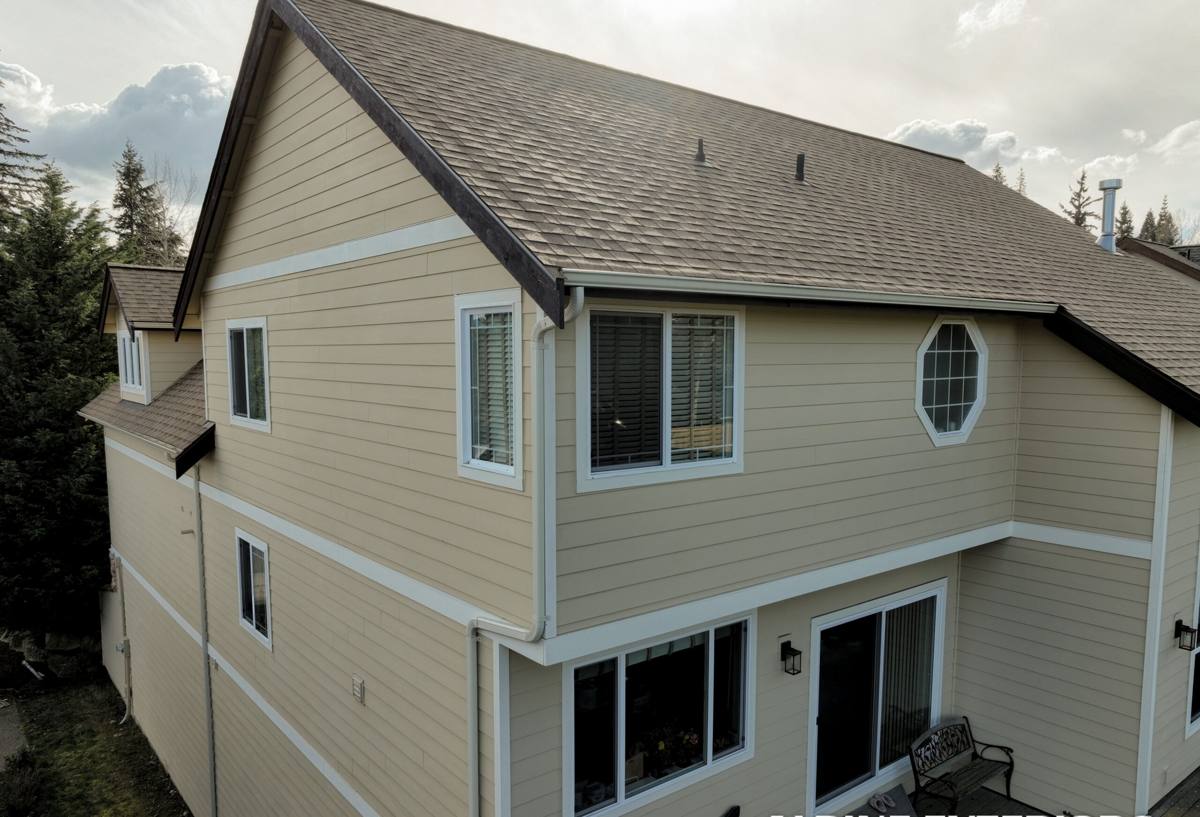
Common Siding Problems We See in Seminole
Working this neighborhood regularly, certain failure patterns show up over and over. Knowing what to look for helps you catch problems before they turn into bigger, more expensive ones.
Moisture and Water Intrusion
Wind-driven rain during Pinellas County's storm season doesn't just hit siding head-on — it gets pushed up and under laps, around window and door trim, and into any gap where flashing was missed or caulking has failed. Once water gets behind the siding, it can sit against sheathing and framing for weeks between storms, especially in shaded or low-airflow areas of a house.
Fastener and Trim Corrosion
Salt air accelerates corrosion on any fastener, trim piece, or hardware that isn't rated for coastal exposure. Rust streaks below nail heads, corroded J-channel, or trim that's gone soft at the edges are all signs the original materials or fasteners weren't matched to this environment.
UV and Heat Damage
Constant sun exposure fades and dries out siding finishes, and on some materials it accelerates warping, cracking, or delamination — particularly on south- and west-facing walls that catch the most direct afternoon sun.
Wind and Storm Impact
High wind events can crack, dent, or pull siding loose outright, and they can also loosen fasteners just enough to create a gap that lets water in during the next rain, even if the siding itself looks intact from the ground.
Signs Your Seminole Home Needs Siding Repair
- Visible cracking, splitting, or buckling anywhere on the wall surface
- Soft or spongy spots when you press on the siding, especially near the bottom courses
- Paint or finish that's peeling, bubbling, or chalking heavily
- Rust staining below nail heads or around trim and corner pieces
- Gaps opening up at seams, corners, or around window and door trim
- Discoloration or dark staining that suggests moisture is trapped behind the surface
- A musty smell or visible mold/mildew growth along interior walls near exterior siding
- Loose panels or boards that move or flex when pushed
Any one of these on its own might be minor. Several appearing together, or appearing on a wall that took a direct hit in a recent storm, is worth a professional look before the next rainy stretch.
What a Correct Repair Actually Involves
Siding repair done right is not just about matching the visible surface. It starts underneath.
Diagnose Before You Patch
Before any board goes back on, the damaged section needs to come off so we can see what's underneath. If water has been getting in, the sheathing, house wrap, and framing in that area need to be checked and, if compromised, addressed — not just covered back up. Repairing over hidden rot or saturated sheathing looks fine for a while and then fails again, often worse the second time.
Fix the Water Path, Not Just the Symptom
Most siding failures in this climate trace back to a water management problem — missing or damaged flashing, failed caulking, poor overlap at a seam, or house wrap that was cut wrong around a penetration. A repair that doesn't correct the underlying water path is a temporary fix at best.
Match Materials and Fasteners to the Coastal Environment
Any replacement boards, trim, or fasteners used in a Seminole repair should be rated for coastal, high-moisture conditions. Using standard-grade materials because they're on hand or cheaper is exactly how the same repair ends up needing to be redone in a few years.
Finish and Seal Properly
The repaired section needs to be primed, finished, and sealed to match — not just functionally sound but weathertight at every seam and transition, since a gap that looks cosmetic today is a water entry point tomorrow.
Our Repair Process
- Inspection: We look at the full wall assembly around the damaged area, not just the visible spot, and check for related issues elsewhere on the home.
- Diagnosis: We identify the actual cause — impact damage, water intrusion, fastener failure, material degradation — so the repair addresses the source, not just the symptom.
- Scope and estimate: We walk you through what needs to happen, what it involves, and give you a clear, honest estimate before any work starts.
- Remove and assess: Damaged siding comes off cleanly, and we check the sheathing, house wrap, and flashing underneath before closing anything back up.
- Repair and reseal: We correct any water management issues, install matched replacement material, and detail every seam and transition properly.
- Final check: We walk the finished repair with you so you know exactly what was done and why.
Repair or Replace? What Actually Determines It
| Factor | Usually a Repair | Usually Replacement |
|---|---|---|
| Extent of damage | Isolated to one wall or a few boards | Widespread across multiple walls |
| Underlying sheathing | Sound, dry, no rot found | Soft, rotted, or water-saturated |
| Age of existing siding | Relatively recent, otherwise in good shape | At or past expected service life |
| Cause of damage | Isolated impact or one-time storm event | Chronic moisture or systemic installation flaws |
| Material match | Discontinued but visually blendable material | No longer available or won't match at all |
We'll always tell you honestly which category your home falls into. A repair that's a reasonable, durable fix gets recommended as a repair — we don't push replacement when it isn't warranted, and we won't recommend patching something that's going to fail again in a year.
Why We Only Work With James Hardie Fiber Cement
When a repair calls for replacement boards, or when damage is extensive enough that replacement of a section — or the whole exterior — makes more sense than patching, the material we use is James Hardie fiber cement. This isn't a brand preference; it's a standard we hold to because of how this climate treats siding.
Fiber cement doesn't absorb and swell with moisture the way wood-based products can, it's non-combustible, and it holds up to sustained UV and heat exposure without the warping or delamination issues that show up on some other materials in Florida's climate. James Hardie's ColorPlus factory finish is baked on and warranted against fading, which matters on Seminole's sun-exposed walls. Their HZ5 product line is specifically engineered for high-humidity, hurricane-prone climates like this one.
We don't install vinyl, LP SmartSide, Cemplank, Allura, or primed wood siding, even though all of them have their place in the market. We made that call because, on Gulf Coast homes taking this much sun, salt air, and wind-driven rain, Hardie has consistently been the product that holds up with the least maintenance burden and the strongest backing over the long run. If your repair needs new boards, that's what we bring to your house.
Why a Local Seminole Crew Matters
Siding repair is not a one-size-fits-all trade. A crew that already works Seminole regularly knows which walls in this neighborhood tend to take the worst wind exposure, understands the moisture patterns that come with this proximity to the water, and can spot the difference between cosmetic weathering and a real structural concern without guesswork. That familiarity translates directly into faster, more accurate diagnosis and repairs that are built for the conditions your specific home actually faces — not generic conditions from a training manual.
Being local also means we're not disappearing after the invoice clears. If a repair needs a follow-up check after the next storm season, we're the same crew that did the work, working the same neighborhood.
Choosing a Siding Repair Contractor in Seminole: A Checklist
- Do they inspect underneath the damaged siding, not just patch the visible surface?
- Do they explain the actual cause of the damage, not just quote a fix?
- Are they using materials and fasteners rated for coastal, high-humidity conditions?
- Can they show proof of licensing and insurance appropriate for Pinellas County work?
- Do they give you a clear, written scope before starting, not a vague verbal estimate?
- Are they honest about repair versus replacement, rather than upselling every job?
- Do they stand behind the repair with a real warranty on labor and materials?
Get an Honest Look at Your Siding
If your Seminole home has damaged, aging, or storm-affected siding, we're glad to come take a look. We'll tell you plainly what's going on, what it will take to fix it correctly, and whether that means a targeted repair or something more. There's no pressure and no obligation — just a straight answer from a crew that knows this neighborhood's siding challenges firsthand. Fill out the form below to schedule a free estimate.