 Clearwater Window
 Why Seminole Homes Need a Different Window Strategy
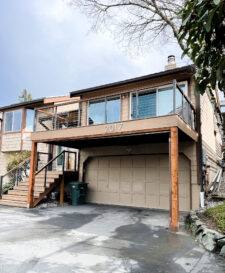
Seminole sits close to the Gulf and the Intracoastal in Pinellas County, which means the windows on a Seminole home are doing more work than windows in a lot of other parts of the country. They're holding back salt-laden humidity, taking direct hits of intense UV nearly every day of the year, absorbing wind-driven rain during summer storms, and standing between your family and hurricane-force wind loads during the season. An "energy-efficient window" in this environment isn't just about a lower power bill — it has to combine thermal performance with real structural and weatherproofing capability, or it fails early. We treat those as one job, not two separate upgrades.
What the Local Climate Actually Does to Windows Over Time
Understanding the failure patterns we see around Seminole helps explain why we spec windows the way we do.
UV and Heat
Florida's sun breaks down vinyl, seals, and glazing compounds faster than most manufacturers' national warranty language accounts for. Cheaper single-pane or older aluminum-frame windows let radiant heat pour straight into living spaces, which is why AC systems in older Seminole homes often run harder than they should.
Salt Air and Humidity
Proximity to the Gulf and the Intracoastal means airborne salt settles on and around window components, accelerating corrosion on hardware, hinges, and lesser-grade metal parts. Humidity also pushes moisture into any gap in the seal or flashing, which shows up later as fogged glass or soft framing.
Wind-Driven Rain
Rain in this region rarely falls straight down — it comes sideways during summer storms and tropical systems, testing every seam of the window and the flashing around it. A window that's watertight in a calm rain test can still leak under wind-driven conditions if it wasn't installed correctly.
Hurricane Wind Loads and Pressure Cycling
Even homes that never take a direct storm hit go through repeated pressure cycling every hurricane season. Windows and their anchoring need to handle that cycling without loosening, and any opening that isn't properly rated or protected becomes the weak point that can compromise the whole structure in a serious wind event.
What "Energy-Efficient" Should Mean for a Seminole Window
A window's efficiency rating comes from a few measurable factors, and all of them matter more here than in a mild climate:
- Low-E coatings — a microscopically thin coating that reflects infrared heat while still letting visible light through, which cuts down on solar heat gain during our long cooling season.
- U-Factor — how much heat transfers through the window; lower is better for keeping conditioned air inside.
- Solar Heat Gain Coefficient (SHGC) — how much solar heat the window lets in; this is the number that matters most in a hot, sunny climate like ours.
- Insulated glass construction — dual-pane (or in some cases laminated) glass with an inert gas fill and a quality spacer, which resists both heat transfer and moisture intrusion.
- Frame material and design — the frame has to resist UV breakdown and salt corrosion while still sealing tightly to the glass over many years.
In a coastal Pinellas County home, we also weigh impact resistance alongside these numbers, because an impact-rated window with a laminated interlayer holds up to both wind-borne debris and daily UV exposure better than most standard residential glass.
Comparing Frame Materials for a Seminole Property
Frame choice affects energy performance, coastal durability, and long-term maintenance. Here's how the common options stack up for this specific environment:
| Frame Material | Energy Performance | Coastal/Salt-Air Durability | Maintenance |
|---|---|---|---|
| Vinyl | Strong — low conductivity, good seal life | Good; won't corrode, but UV can cause long-term brittleness in lower-grade product | Low |
| Aluminum | Weaker unless thermally broken; conducts heat | Prone to corrosion pitting near salt air over time | Moderate |
| Fiberglass/Composite | Very strong — low expansion, stable seal | Excellent resistance to salt and UV degradation | Low |
We don't push one material as universally "the best" — a lot depends on the home's architecture, budget, and how exposed the property is to direct salt spray versus being set back a few blocks from the water. Where we draw a hard line is on frame and glazing components that we've seen fail early in this specific climate; if we steer you away from a product, it's because of how it performs here, not because of any complaint against the manufacturer generally.
What a Correct Installation Actually Involves
The window unit itself is maybe half the job. The other half — the part that's invisible once it's done — is what determines whether that window is still performing well in ten years. A correct install in a wind-driven-rain, salt-air environment includes:
- Removing old windows without damaging the surrounding structural opening or stucco/siding
- Inspecting the rough opening for existing moisture damage or wood rot before anything new goes in
- Proper flashing and a continuous water管理 plane so wind-driven rain has nowhere to track behind the frame
- Correct fastener type, spacing, and embedment to meet the wind load rating the window was tested for
- A compatible, marine-grade-appropriate sealant applied in the right locations — not just a bead around the trim
- Shimming and squaring the unit so the sash operates correctly and the seal compresses evenly for years, not just on day one
- Interior and exterior finish work that restores a clean, sealed appearance without leaving gaps for humidity or pests
Skipping or rushing any one of these steps is how a good window ends up with a bad reputation. Most of the leaks, drafts, and premature failures we get called out to fix trace back to installation shortcuts, not the window product itself.
Permits, Wind Load, and Local Code
Pinellas County falls within Florida's wind-borne debris region, which means replacement windows generally need to be impact-rated or paired with approved storm protection to meet current code, and the work needs a permit and inspection. We handle that process as part of the job rather than leaving it on the homeowner — pulling the permit, scheduling inspections, and making sure the products we install carry the approvals your local building department requires. If you've had quotes that skip mentioning permits, that's worth asking about directly.
Our Process, Start to Finish
- Free on-site estimate. We look at your existing windows, note problem areas (leaks, drafts, fogging, corrosion), and measure openings.
- Straight-talk recommendation. We walk you through frame and glass options that fit your home, your budget, and your exposure to the elements — no upsell pressure.
- Permitting. We prepare and submit the permit package so the job is inspected and documented correctly.
- Installation. Our crew removes, inspects the opening, flashes, sets, fastens, seals, and finishes each window to spec.
- Final walkthrough and inspection. We confirm operation, sealing, and appearance with you, and coordinate the final building inspection.
Why It Matters That We Already Work in Seminole
A crew that installs windows across a lot of different climates has to relearn the local failure points every time. A crew that regularly works Seminole and the surrounding Pinellas County coastline already knows which details matter most here — how much salt exposure a given block typically sees, which older housing stock tends to have rough-opening moisture issues, and what actually holds up through a full hurricane season instead of just looking good on installation day. That local pattern recognition is part of what you're paying for when you hire a contractor who already knows the area, not just the product catalog.
Signs It's Time to Replace, Not Repair
Not every window problem means a full replacement, but a few signs point that direction:
- Fogging or moisture between panes (a failed seal that can't be fixed, only replaced)
- Visible corrosion on hardware or frame components
- Windows that are difficult to open, close, or lock properly
- Noticeable drafts or a room that's harder to keep cool than the rest of the house
- Soft or discolored framing around the window, which can indicate water intrusion behind the wall
If you're only seeing one of these on an otherwise sound, newer window, a repair may be enough. If you're seeing several across an older set of windows, replacement is usually the more cost-effective path once you factor in energy loss and repeat repair calls.
If you're weighing your options for your Seminole home, we're happy to take a look and give you a straightforward, no-pressure estimate — just fill out the form below and we'll get in touch.