 Clearwater Window
 Siding Replacement for Palm Harbor Homes
Palm Harbor sits in the same stretch of coastal Pinellas County we work in every week, which means the siding on these homes is fighting the same battle as everywhere else near the Gulf: intense sun, hurricane-force wind events, wind-driven rain that gets pushed sideways into walls, and a steady dose of salt air moving inland off the water. Siding here isn't just cosmetic — it's the layer standing between your home and a climate that doesn't let up for long. When it's time to replace it, the material choice and the installation quality matter more in this area than almost anywhere else in the country.
This page focuses on one job: full siding replacement for Palm Harbor properties, done by a crew that already works this part of Pinellas County and understands what these homes actually need.
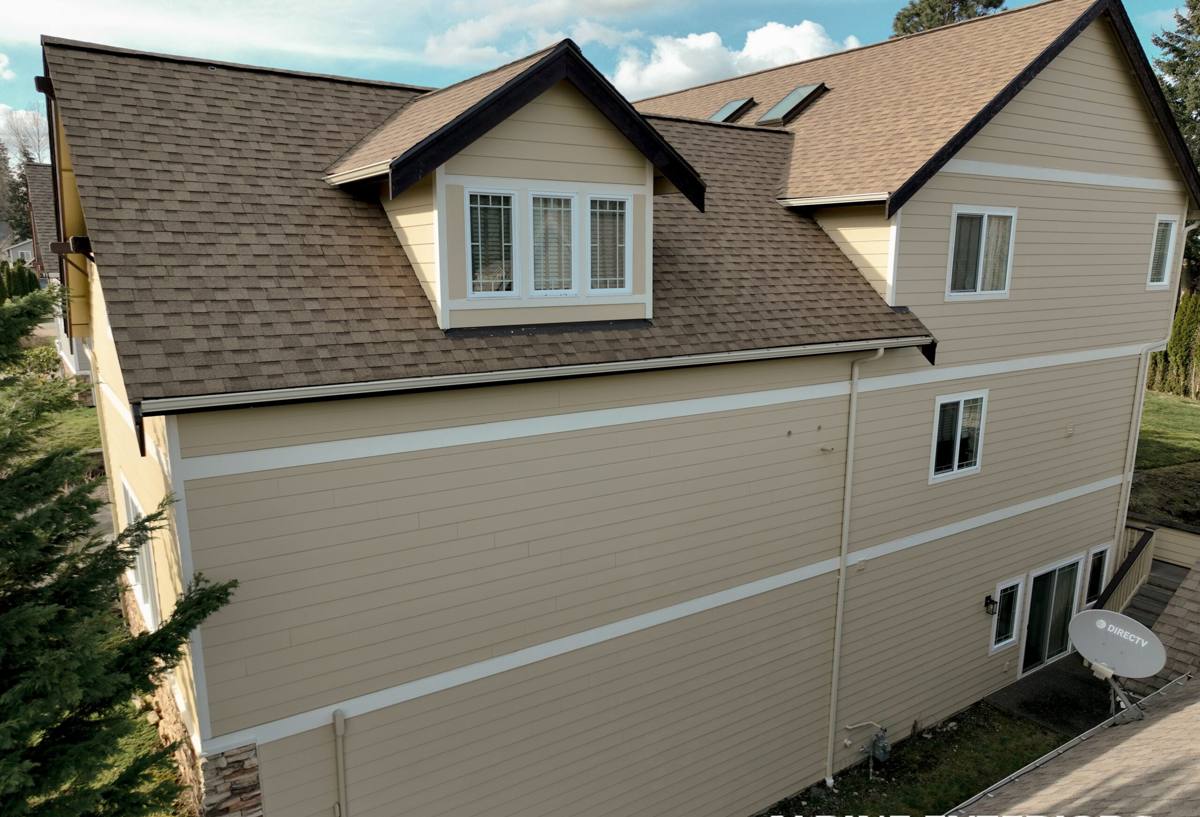
What Wind, Sun, Rain, and Salt Air Do to Siding Here
Wind
Tropical storms and hurricanes bring sustained wind loads and gust pressure that lower-grade siding systems simply aren't engineered for. Wind doesn't just push on a wall — it gets under loose panels, works fasteners back and forth, and turns marginal installations into missing pieces of siding after one bad storm season. The material and the fastening schedule both have to be rated for this.
UV Exposure
Florida sun is relentless almost twelve months a year. Siding materials with weak factory finishes chalk, fade, and lose their color coat well before their expected lifespan is up. Once a finish starts breaking down, the substrate underneath is exposed to more moisture absorption and faster deterioration.
Wind-Driven Rain
Rain in this region rarely falls straight down during a real storm — it comes in sideways, driven by wind, and finds every gap in flashing, trim, and panel laps. Siding systems that rely on caulk and hope instead of proper water-shedding detail fail here faster than in drier, calmer climates.
Salt Air
Being close to the Gulf means airborne salt is a constant, low-grade corrosive presence. It accelerates the breakdown of fasteners, trim, and any material that isn't built to handle a marine-influenced environment. Over years, that exposure adds up on siding that wasn't specified with salt air in mind.
Signs a Palm Harbor Home Needs New Siding
Siding failure is rarely one dramatic event — it's usually a pattern of small warning signs that add up. On a service call in this area, we're typically looking for:
- Panels that are warped, buckled, or visibly separating from the wall
- Soft or spongy spots when pressed, which usually means moisture has reached the substrate
- Persistent paint failure — peeling, bubbling, or chalking that returns soon after repainting
- Visible cracking, especially near corners, seams, and fastener points
- Gaps opening up at butt joints, trim, or window and door casings
- Rising energy bills with no other explanation, which can point to a compromised weather barrier
- Mold, mildew, or a musty smell along interior walls that share a plane with exterior siding
- Siding that's simply reaching the end of its expected service life, regardless of visible damage
Any one of these on its own might just need a repair. Several at once, or damage spread across multiple walls, usually means full replacement is the more honest recommendation.
What a Correct Siding Replacement Actually Involves
A siding job is only as good as what's underneath the finished surface. In a climate like this one, the details that don't show up in a driveway photo are the ones that determine whether the job holds up through the next decade of storms.
Full Tear-Off, Not a Cover-Over
We remove existing siding down to the sheathing rather than installing over it. That's the only way to actually inspect the wall assembly, catch rot or water damage early, and start the new system on a clean, sound surface.
Weather-Resistive Barrier
A properly lapped and sealed weather-resistive barrier goes over the sheathing before any siding is hung. This is the layer that manages bulk water that gets past the siding surface — critical in a region where wind-driven rain is a regular event, not a rare one.
Flashing at Every Penetration
Windows, doors, hose bibs, light fixtures, and any other wall penetration need correctly installed flashing that directs water outward and downward, never behind the barrier. This is one of the most commonly rushed steps in the industry, and it's where a huge share of long-term siding failures actually start.
Manufacturer-Spec Fastening
Fastener type, spacing, and placement all affect how well siding holds up to wind uplift. We install to the manufacturer's published specifications for this wind exposure, not a generic pattern that might be fine somewhere inland but isn't built for coastal Pinellas County.
Proper Clearances and Sealant Joints
Correct gaps at trim, corners, and grade level let the wall assembly drain and dry as designed. Sealing everything solid without those clearances traps moisture instead of managing it — a mistake that shows up as rot a few years down the road.
Why We Install Only James Hardie Fiber Cement
We standardized on James Hardie fiber cement siding for every home we work on, including here in Palm Harbor, and we don't install vinyl, LP SmartSide, or other wood-based or engineered-wood siding products. That's a deliberate professional standard, not a sales pitch.
Fiber cement is non-combustible, doesn't soften or warp under sustained Florida heat the way some vinyl products can, and holds up to wind-driven rain far better than materials that rely heavily on caulk and overlap alone. James Hardie's ColorPlus factory finish is baked on and warrantied against fading and peeling, which matters enormously in a climate that tests paint and coatings harder than almost anywhere else in the country. Hardie also engineers specific product lines (their HZ5 designation, for example) for higher-moisture, higher-humidity climate zones — which is exactly the environment Pinellas County sits in.
It's not the cheapest material on the market, and it's less forgiving of sloppy installation than some alternatives — which is exactly why installation quality matters as much as the product itself. We think that trade-off is worth it for a home that has to survive Gulf Coast weather for decades, not just look good on installation day.
Our Palm Harbor Installation Process
- On-site assessment — we walk the exterior, check current siding condition, look at the underlying wall assembly where possible, and talk through what your home actually needs.
- Written estimate — a clear scope of work and price, with no pressure to sign on the spot.
- Material order and scheduling — we plan around Florida's weather patterns to avoid starting a tear-off right before a forecasted storm system.
- Full tear-off and wall inspection — old siding comes off, sheathing is checked, and any damaged material is addressed before anything new goes up.
- Weather barrier and flashing installation — the unglamorous layer that determines how the whole system performs over time.
- James Hardie installation to manufacturer spec — fastening, clearances, and joint treatment done to the standard the product is engineered for.
- Final walkthrough — we go over the finished job with you before we consider it done.
Cost Factors for Siding Replacement
Every home is different, but the same set of variables tends to drive cost up or down on jobs in this area. This table is meant to help you understand what you're paying for, not to promise a number before we've seen your home.
| Factor | Why It Matters | Typical Cost Impact |
|---|---|---|
| Home size and wall complexity | More square footage and more corners, gables, and dormers mean more labor and material | Moderate to high |
| Extent of existing damage | Rotted sheathing or framing found during tear-off needs repair before new siding goes on | Variable — can be significant |
| Trim and detail work | Custom trim, corner boards, and architectural details take more time to install correctly | Moderate |
| Access and site conditions | Tight lot lines, landscaping, or second-story work affect labor time and equipment needs | Low to moderate |
| Color and finish selection | Some ColorPlus finishes and trim combinations run different price points than others | Low |
| Removal and disposal | Full tear-off generates more debris than a cover-over job, but it's the only way to do it right | Low to moderate |
Why a Crew That Already Works Palm Harbor Matters
Siding contractors who mainly work inland or in drier climates don't always plan for what Gulf Coast wind, humidity, and salt exposure actually demand from a wall assembly. A crew that already works Pinellas County knows the local permitting process, understands the wind provisions in the Florida Building Code that apply to this exposure category, and has already seen how different siding systems hold up — or don't — after a few real storm seasons in this specific climate.
That familiarity also shows up in smaller, practical ways: knowing how to schedule around Florida's wet season, understanding typical lot and access conditions in established Pinellas County neighborhoods, and being available for follow-up if a question comes up after the job is finished. Hiring locally isn't just a convenience — in a climate this demanding, it's part of getting the installation details right the first time.
Get a Free Estimate for Your Palm Harbor Home
If your siding is showing wear, failing paint, or storm damage, or you're simply planning ahead for a Florida climate that doesn't go easy on exterior materials, we're glad to take a look. Fill out the form below for a free, no-pressure estimate on James Hardie siding replacement for your home.