 Clearwater Window
 Siding Repair for Palm Harbor Homes
Palm Harbor sits along the Pinellas County coastline just north of Clearwater, and homes here take a beating that inland Florida properties never see. Between hurricane-force wind events, near-constant UV exposure, wind-driven rain that finds every gap in a building envelope, and the slow corrosive effect of salt air, siding in this part of the county ages faster and fails in more specific ways than siding almost anywhere else in the state. Repairing it correctly means understanding those failure patterns, not just patching whatever is visibly cracked or missing.
This page covers what siding repair actually involves for a Palm Harbor home, what separates a real repair from a cosmetic patch, and why the crew doing the work matters as much as the material going back on the wall.
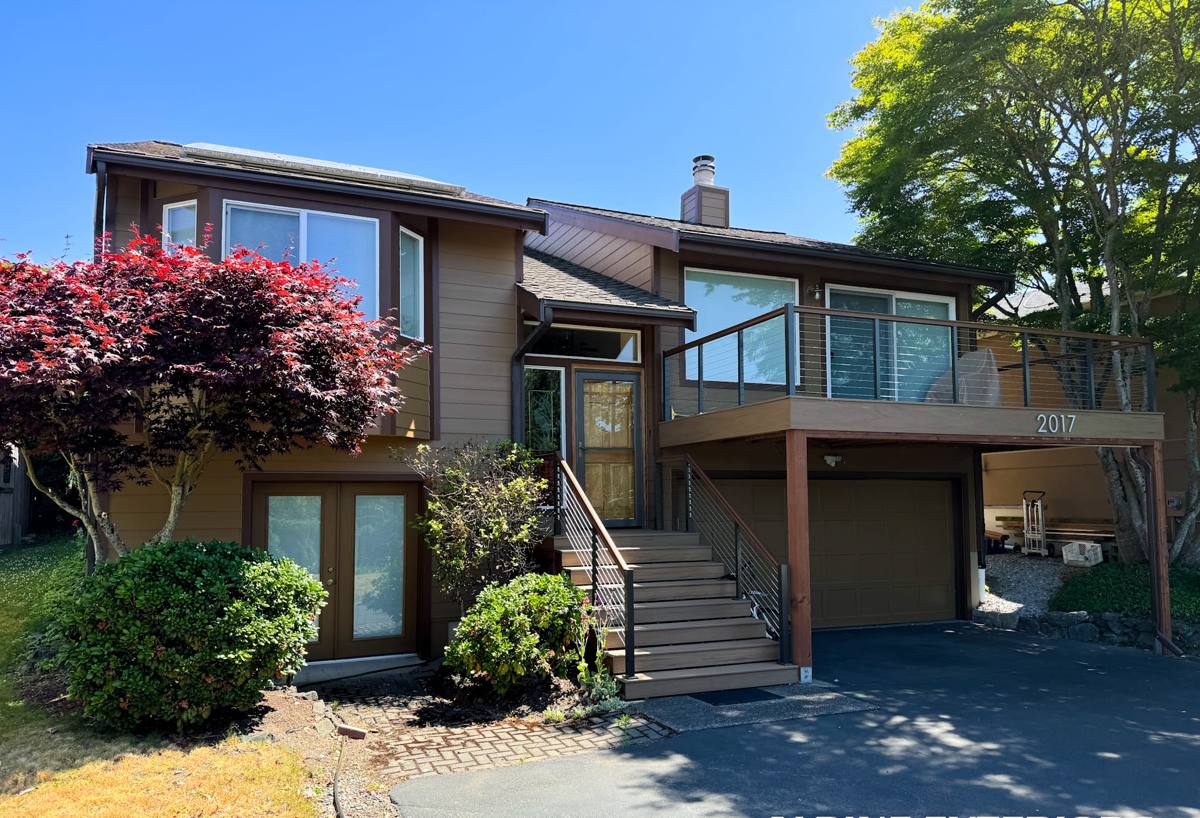
Why Palm Harbor Siding Fails Differently
Every coastal Pinellas County neighborhood deals with sun and storms, but Palm Harbor's mix of older housing stock, mature tree canopy, and proximity to open water creates a particular combination of stressors.
Wind and Storm Impact
Hurricane-force and tropical-storm-force winds don't just tear siding off in dramatic fashion — more often they work siding loose gradually. Fasteners back out, panels flex at their edges, and joints that were tight when installed start to gap. Once a gap opens, wind-driven rain gets behind the siding on the next storm, and that's when real damage starts: sheathing rot, mold growth, and fastener corrosion that you can't see from the ground.
UV and Heat Cycling
Florida's year-round sun exposure is intense enough that siding finishes are engineered specifically to handle it. Factory-applied finishes resist UV fading far better than field-applied paint, but even good finishes degrade over enough years of direct exposure. Heat cycling — the daily expansion and contraction as siding heats up in direct sun and cools at night — also stresses caulking and trim joints, which is usually where repair issues actually start.
Salt Air Corrosion
Palm Harbor's proximity to the Gulf means airborne salt settles on every exterior surface, including fasteners, flashing, and any exposed metal trim. Salt accelerates corrosion on anything that isn't rated for coastal exposure, and corroded fasteners are one of the most common root causes behind siding that looks like it's "coming loose for no reason."
Signs Your Siding Needs a Repair Inspection
- Visible cracking, chipping, or splitting along panel edges or seams
- Soft or spongy spots when you press on the siding near the bottom courses
- Staining, streaking, or a musty smell near exterior walls, especially at corners
- Nail heads or fastener patterns becoming visible through the finish
- Gaps opening at butt joints, trim boards, or window and door casings
- Paint or finish that's peeling, bubbling, or chalking heavily in one area but not others
- Any siding that moved, lifted, or came loose during the last named storm
Any one of these on its own might be minor. Several together, especially clustered in one section of the house, usually points to a moisture intrusion problem that's bigger than what's visible on the surface.
What a Correct Siding Repair Actually Involves
A repair that only addresses what's visible from the ground is a cosmetic fix, not a real one. A correct repair follows a sequence:
1. Diagnose Before Touching Anything
Damaged siding is a symptom. Before removing or replacing a single panel, the underlying cause needs to be identified — failed flashing, a caulking joint that opened up, a fastening pattern that wasn't right to begin with, or sheathing damage from long-term moisture intrusion. Repairing the visible siding without fixing the cause just means the same damage comes back.
2. Inspect What's Behind the Siding
Once panels are pulled in the damaged area, the sheathing, house wrap, and flashing underneath need a real look. In a coastal climate like Palm Harbor's, moisture that gets behind siding doesn't always announce itself quickly — by the time staining shows on the exterior, there can already be softened sheathing or early rot underneath. This is the step that separates a durable repair from a patch that fails again in a year or two.
3. Repair the Envelope, Not Just the Siding
Any compromised sheathing gets addressed, flashing gets corrected or replaced, and the water-resistive barrier gets restored to a continuous, properly lapped condition before new siding goes back on. Skipping this step is the single most common reason siding repairs don't hold up.
4. Match the Material and the Finish
For homes with James Hardie fiber cement siding, matching matters more than most homeowners expect. Hardie's ColorPlus finish is factory-baked onto the board under controlled conditions — it's not something that reproduces well with a can of exterior paint. A repair that uses the correct matching Hardie profile and, where possible, matching ColorPlus color, blends into the existing wall instead of leaving an obvious patch. Where an exact factory match isn't available, we're upfront about that before starting the work rather than after.
5. Fasten and Seal to Coastal Standards
Corrosion-resistant fasteners, correct nailing patterns, and marine-grade sealants at joints and penetrations aren't optional extras this close to the Gulf — they're the difference between a repair that lasts and one you're calling about again in two storm seasons.
Repair vs. Replacement: How We Make the Call
Not every siding problem needs a full replacement, and not every repair is worth doing instead of replacing a section outright. The honest answer depends on how much of the wall is affected and what's happening underneath it.
| Situation | Usually Repair | Usually Replace (Section or Full) |
|---|---|---|
| Damage limited to a small area (impact, isolated panel) | Yes | No |
| Sheathing rot found behind more than one section | No | Yes |
| Fastener or caulking failure, siding itself intact | Yes | No |
| Widespread finish failure across multiple walls | No | Yes |
| Damage traced to a single flashing or trim failure point | Yes | No |
| Siding is an older or discontinued product with no close match | Depends | Often, for consistent appearance |
We'll tell you plainly which category your home falls into. A repair that's likely to fail again within a few years isn't a good use of your money, and we'd rather say so upfront than sell a patch job.
Why James Hardie Siding Repairs Differently
We install exclusively James Hardie fiber cement siding, and that standard shapes how we approach repairs too. Hardie's HZ5 product line is engineered for high-humidity, storm-prone climates like Pinellas County's — it's non-combustible, resists moisture-related swelling and softening far better than wood-based or wood-look composite sidings, and holds its factory finish for years longer than field-painted alternatives. When we're called to repair Hardie siding, the material itself is rarely the point of failure; it's almost always a fastening, flashing, or joint issue at the installation level. That's a meaningfully easier and more predictable repair than diagnosing water damage in wood, engineered wood, or vinyl siding, which behave less consistently once moisture gets behind them.
If your home currently has a different siding product and you're dealing with recurring repair issues, that's worth an honest conversation. We won't tell you a product is "bad" — but we will explain, plainly, why we standardized on Hardie and what trade-offs come with the alternatives, so you can decide with real information.
Our Repair Process for Palm Harbor Homes
- On-site inspection — we look at the visible damage, check surrounding areas for related issues, and inspect for signs of moisture intrusion.
- Diagnosis and honest recommendation — we explain what caused the damage and whether a targeted repair or a larger replacement makes more sense.
- Written scope and estimate — clear on what's being repaired, what materials are used, and what it costs, before any work starts.
- Repair work — removal of damaged material, envelope correction where needed, and installation of matched siding, fasteners, and sealants rated for coastal exposure.
- Final walkthrough — we go over the completed repair with you before calling the job done.
Why a Crew That Already Works Palm Harbor Matters
Siding repair in this area isn't generic exterior work. A crew that regularly works Palm Harbor and the surrounding Clearwater area already understands Pinellas County's wind-load and building code requirements, knows what James Hardie profiles and colors are common on homes in this area from past installations, and has a realistic sense of how fast storm-related repair requests need to move during hurricane season. That local familiarity shows up in fewer surprises mid-repair and a faster, more accurate initial diagnosis — because the failure patterns common to this coastline aren't a mystery to us.
It also matters for response time. When wind-driven rain finds an opening in your siding during a storm, the gap between "I noticed a problem" and "someone qualified looked at it" is what determines whether you're dealing with a simple repair or a rot problem behind the wall.
Get an Estimate
If you're seeing cracked, loose, or damaged siding on a Palm Harbor home, we're happy to come take a look and give you a straight answer on what's actually going on and what it'll take to fix it. The estimate is free, there's no pressure, and you'll get a clear explanation either way — use the form below to get started.