 Clearwater Window
 What Palm Harbor's Coastal Climate Does to Siding
Palm Harbor sits close enough to the Gulf that salt air is a constant, even on days when you can't smell it. Combine that with Pinellas County's intense year-round UV exposure, seasonal wind-driven rain, and the real possibility of hurricane-force gusts, and you have a climate that is genuinely hard on exterior building materials. Siding here doesn't just need to look good on installation day — it needs to hold its seal, its color, and its structural attachment through years of sun, humidity swings, and storms.
Homes in Palm Harbor tend to see faster paint fade, more caulk failure, and more moisture intrusion at seams and penetrations than siding installed in drier, milder climates. Wood-based products absorb humidity and swell. Vinyl softens and warps under prolonged heat. Poorly flashed seams become the entry point for water that then sits against sheathing in a humid environment, which is exactly the setup that leads to rot behind the wall. None of this is hypothetical — it's the baseline reality of building on the Gulf Coast, and it's the reason siding choice and installation quality matter more here than in most of the country.
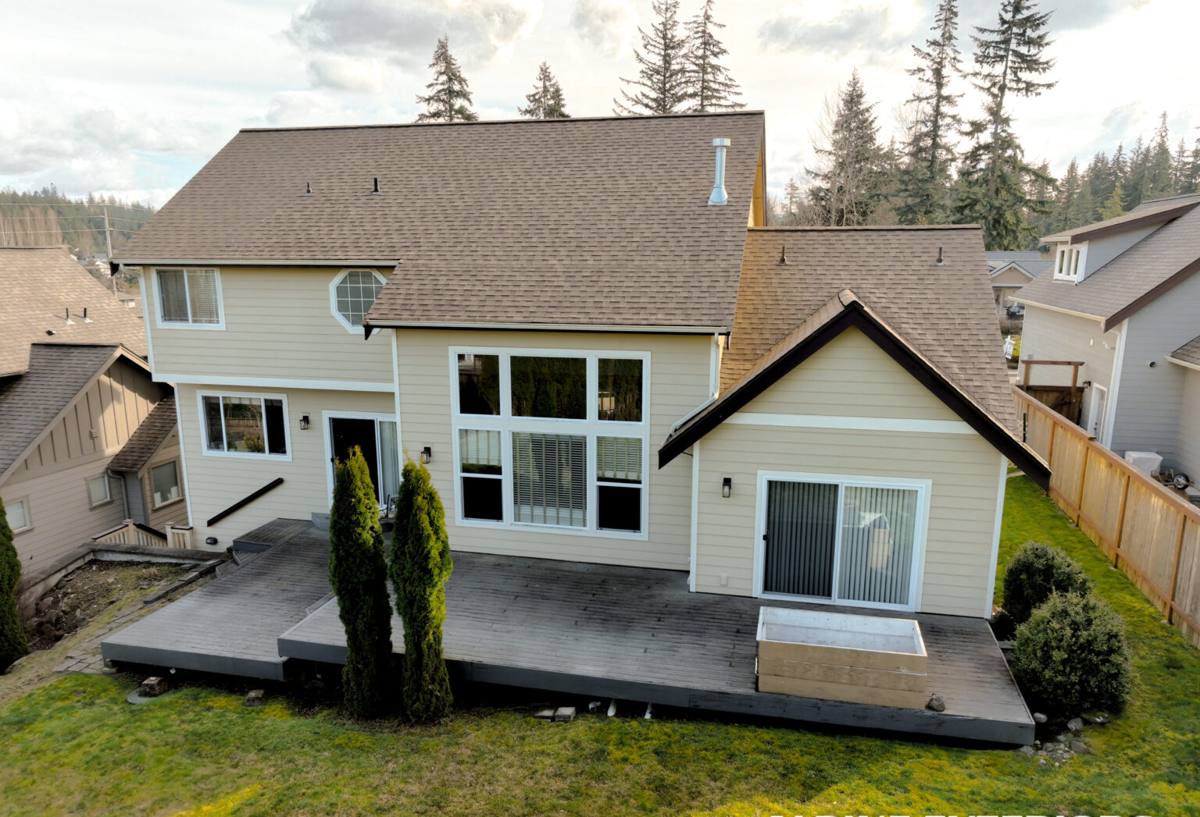
Why We Install Only James Hardie Fiber Cement
We install James Hardie fiber cement siding exclusively. We don't offer LP SmartSide, vinyl, Cemplank, Allura, or primed wood species like spruce or cedar, and that's a deliberate standard, not a lack of options. Each of those alternatives has real strengths, but each also carries a trade-off — moisture sensitivity, UV-driven fading, higher maintenance demand, or installation tolerances that are easy to get wrong — that we're not willing to put on a home in this climate and put our name behind.
HZ5 Climate-Engineered Product Line
James Hardie manufactures region-specific formulations, and the HZ5 line is engineered for humid, high-moisture climates like ours. It's built to resist moisture-related damage and to hold up under the freeze-thaw isn't relevant here, but the humidity and rain exposure absolutely is. For a Palm Harbor installation, using the correct HZ product line is not a marketing detail — it's a material decision that affects how the siding performs over the next 20-plus years.
What a Correct Installation Involves
Fiber cement siding is only as good as the assembly behind it. The board itself is durable, but a sloppy installation will still let water in, and water intrusion is the single most common cause of siding failure in this region — not the board material itself.
Moisture Barrier and Flashing
Every correct installation starts with a continuous weather-resistive barrier over the sheathing, with all seams properly lapped and taped. Flashing goes in at every window, door, and roofline intersection — these are the points where wind-driven rain gets pushed sideways and upward, and they're the places we see the most failures on homes we're asked to re-side. Kick-out flashing at roof-to-wall intersections and proper head flashing above openings are non-negotiable details, not upgrades.
Fasteners, Clearances, and Joints
James Hardie specifies fastener type, spacing, and penetration depth, and those specs exist because Florida wind loads are higher than in most of the country. We also hold the manufacturer's minimum clearances — siding off the ground, off roof surfaces, and off decks and patios — so water has somewhere to drain instead of wicking into the board's cut edges. Butt joints get factory-primed or sealed cut ends and correct caulk or flashing behind them, since an unsealed cut edge is one of the few ways fiber cement can absorb moisture.
ColorPlus Factory Finish and Florida UV
Pinellas County gets some of the most consistent, intense sun exposure in the continental U.S., and standard field-applied paint on siding shows it — chalking, fading, and peeling well ahead of schedule, especially on south- and west-facing walls. James Hardie's ColorPlus finish is baked on in a controlled factory process, which gives it better UV and color-fade resistance than paint applied on site after installation. It also comes with its own finish warranty, separate from the product warranty on the board itself.
This matters practically: a factory finish means fewer repaint cycles over the life of the siding, which is a real cost consideration in a climate that's tough on exterior coatings. We install ColorPlus products specifically because repainting a full elevation of siding every several years is expensive and disruptive, and it's avoidable with the right upfront material choice.
Comparing Siding Materials for Palm Harbor Homes
Homeowners comparing options often focus on upfront price and miss the longer-term cost and performance differences that show up after a few Florida summers. Here's an honest comparison based on how these materials behave in this specific climate:
| Material | UV / Fade Resistance | Moisture Behavior | Wind Performance | Maintenance Burden |
|---|---|---|---|---|
| James Hardie fiber cement (ColorPlus) | Strong — factory-cured finish | Engineered non-combustible board, resists moisture damage when correctly flashed | Rated for high wind zones when installed to spec | Low — occasional wash, no repainting for years |
| Vinyl siding | Fades and can become brittle under prolonged heat | Can warp; seams rely on overlap, not sealed joints | Can crack or blow off in high gusts if under-fastened | Low upfront, but replacement rather than repair when damaged |
| LP SmartSide / engineered wood | Requires field paint, subject to Florida sun fade | Wood-strand core is more moisture-sensitive at cut edges and seams | Adequate when installed correctly | Moderate — paint maintenance, edge sealing |
| Primed cedar or spruce | Natural wood fades and grays without regular refinishing | Absorbs humidity, prone to swelling, cupping, and rot in coastal air | Depends heavily on installation and fastening | High — regular refinishing and moisture monitoring |
Our Process, Step by Step
We run the same disciplined process on every Palm Harbor project, because consistency is what prevents callbacks:
- On-site assessment of the existing wall assembly, current siding condition, and any moisture or rot already present behind it.
- Removal of old siding and inspection of sheathing, with repair or replacement of any compromised sections before anything new goes up.
- Installation of a continuous weather-resistive barrier, properly lapped and sealed at every seam.
- Flashing installed at every window, door, roofline, and penetration before siding panels go on.
- James Hardie HZ5 panels installed to manufacturer fastening and clearance specifications, with sealed cut ends at every field cut.
- Final walk-through covering seams, caulking, trim details, and clearances before we consider the job complete.
Signs Your Siding Needs Attention
Before deciding whether a full replacement, a section repair, or just monitoring makes sense, it's worth checking your current siding for the following:
- Soft or spongy spots when you press on the siding, which usually indicates trapped moisture behind it.
- Visible warping, buckling, or gaps at seams and corners.
- Paint that's chalking, peeling, or fading noticeably faster on sun-exposed walls.
- Staining or discoloration streaking down from window and door trim, a common sign of flashing failure.
- Cracked, brittle, or missing panels after storm season.
- Visible corrosion or discoloration near fasteners, which can point to the wrong fastener type having been used originally.
Maintenance, Permits, and Why Local Experience Matters
Living With Salt Air
Salt air doesn't damage fiber cement the way it corrodes bare metal, but it does accelerate grime buildup and can affect unprotected fasteners and trim over time. A simple annual rinse-down and a visual check of caulked joints and fastener heads is generally enough to keep James Hardie siding performing as designed in a Palm Harbor setting.
Pinellas County Permitting
Siding replacement in Pinellas County typically requires a permit, and installations need to meet the wind-load requirements tied to the local building code. Getting this wrong isn't just a paperwork problem — it affects insurance claims and resale disclosures down the road. We handle the permitting process as part of the job rather than leaving it to the homeowner to sort out.
Why a Locally Experienced Crew Matters
A crew that already works in Palm Harbor knows the wind zone requirements, the typical wall assemblies found in the area's housing stock, and the specific failure patterns this climate produces — because they've opened up enough walls here to have seen it firsthand. That local pattern recognition is what separates a correct installation from one that looks fine on day one but fails at a seam three years later.
If you're weighing a siding replacement or repair on a Palm Harbor home, we're happy to take a look and walk you through what we'd recommend — no pressure, no obligation. A free estimate is a straightforward way to find out where your home actually stands.