 Clearwater Window
 Asphalt Shingle Roofing Built for Palm Harbor
Palm Harbor sits close enough to the Gulf that its homes take a different kind of beating than roofs a few miles inland. Between the salt air drifting off the water, the sun overhead nearly every day of the year, and the wind and rain that come with a Pinellas County storm season, an asphalt shingle roof here has to work harder than the same product installed in a milder climate. We install and repair asphalt shingle roofing throughout the Clearwater area, including Palm Harbor, and this page covers what actually matters for a shingle roof in this specific neighborhood — not generic roofing advice.
Asphalt shingles remain one of the most practical roofing choices for this area when they're specified and installed correctly. The material itself is proven, repairs are straightforward, and the cost-to-performance ratio is hard to beat. The part that determines whether a shingle roof lasts is almost never the shingle itself — it's the deck underneath, the underlayment, the flashing details, and the ventilation. Get those right and a quality shingle roof will hold up well in this climate. Cut corners on any one of them and you'll see problems years before the shingles themselves wear out.
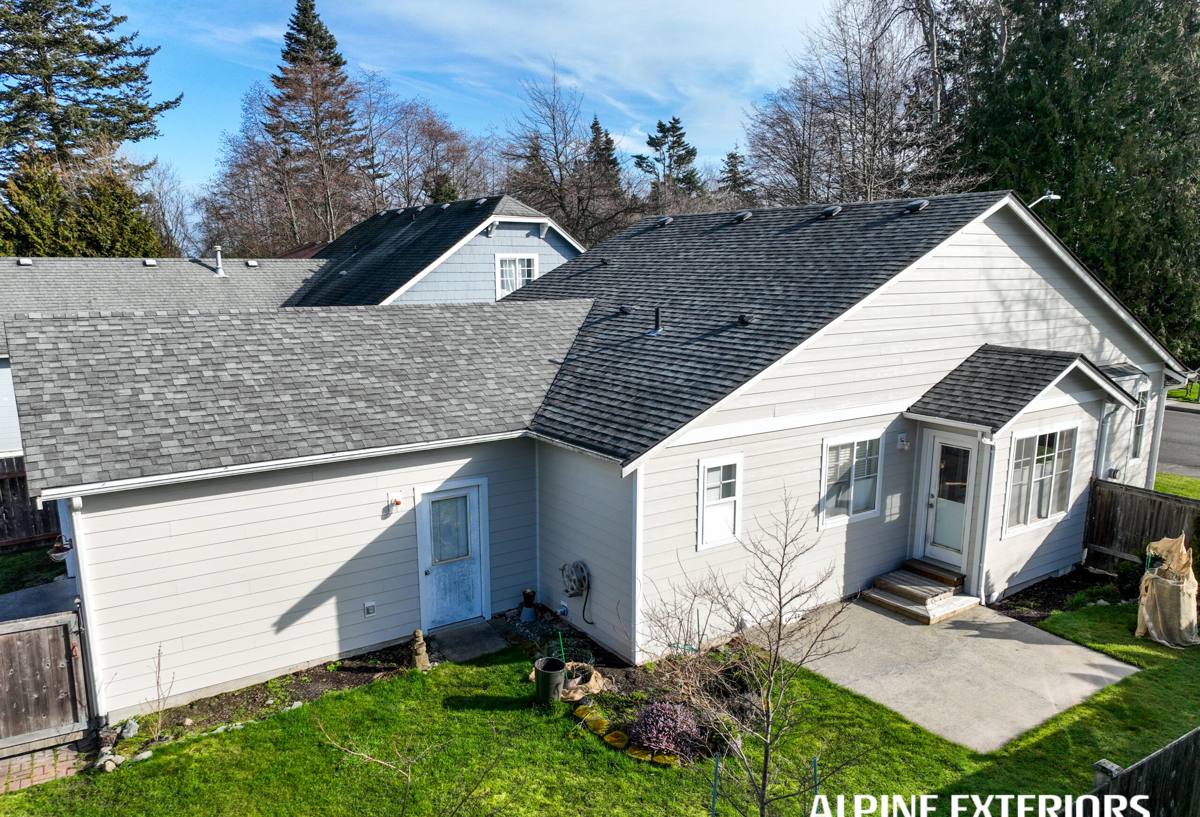
What Palm Harbor's Climate Actually Does to a Roof
Every roofing material has to answer to the same four forces here, and they don't let up seasonally the way they might further north.
Wind
Tropical storms and hurricanes push wind loads that shingle roofs in most of the country never have to handle. Wind doesn't just tear shingles off in a big storm — sustained coastal breezes work at shingle edges and exposed nail lines year-round, gradually loosening tabs that were never sealed down properly in the first place.
UV exposure
Florida sun is intense and consistent almost every month of the year. UV breaks down the asphalt in shingles over time, drying out the oils that keep them flexible and accelerating granule loss. A roof that would age slowly in a cloudier climate ages faster here.
Wind-driven rain
Rain that comes in sideways during a storm finds every weak point in a roof system — lifted shingle edges, under-lapped flashing, nail holes that weren't sealed. A shingle roof can look fine from the ground and still be letting water in at a flashing detail during a wind-driven rain event.
Salt air
Being close to the Gulf means airborne salt settles on roofing and accelerates corrosion of exposed metal — flashing, drip edge, pipe boots, and fasteners. Materials and hardware that aren't suited for a coastal environment corrode faster here than they would even a few miles inland.
None of these forces are unique to Palm Harbor, but the combination — constant sun, real hurricane risk, and salt air — is why we treat roofing here differently than we would in a drier, calmer climate.
What a Correct Asphalt Shingle Installation Involves
A shingle roof is a system, not a single product. Every layer has a job, and skipping or shortcutting one of them is where premature failures start.
Deck inspection and repair
Before any new shingles go down, the roof deck needs to be checked for soft spots, delamination, and water damage — especially around old flashing points and roof penetrations. Installing a new roof over a compromised deck just hides the problem until it fails from underneath.
Underlayment
The underlayment is the roof's backup layer if wind ever lifts or damages shingles during a storm. In a hurricane-exposed area, we treat this layer as essential protection, not a formality — particularly around eaves, valleys, and other spots prone to wind-driven rain intrusion.
Flashing details
Flashing around chimneys, skylights, wall transitions, and roof penetrations is where the majority of shingle roof leaks actually originate — not out in the open field of the roof. Correctly formed and properly lapped flashing, paired with corrosion-resistant metal suited to a coastal environment, is non-negotiable on a Palm Harbor roof.
Fastening and wind resistance
Nail placement, nail count, and proper sealing at the shingle tabs all directly affect how a roof performs in high wind. Manufacturer installation instructions specify exact fastening patterns for a reason — this is one of the areas where a rushed installation shows up first when a storm hits.
Attic ventilation
Proper intake and exhaust ventilation keeps attic temperatures and moisture in check. In a hot, humid climate like this one, poor ventilation shortens shingle life from underneath by trapping heat and moisture against the deck, even when everything on top looks fine.
Choosing the Right Shingle for This Area
Not every asphalt shingle product is a good fit for a coastal, storm-prone area. We help homeowners weigh the trade-offs honestly rather than defaulting to whatever is cheapest.
| Shingle Type | Wind Performance | Typical Warranty Range | Best Fit For |
|---|---|---|---|
| 3-tab strip shingles | Lower wind resistance than laminated styles | Shorter, entry-level warranties | Budget-driven projects, secondary structures |
| Architectural (laminate) shingles | Higher wind resistance due to thicker, layered construction | Longer warranty terms, often 30-year or lifetime-limited | Most Palm Harbor homes — the standard we recommend |
| Impact-rated (Class 4) shingles | Reinforced for impact and wind performance | Comparable to or longer than standard architectural lines | Homeowners prioritizing storm resilience and possible insurance credits |
We install products from major manufacturers such as GAF, Owens Corning, and CertainTeed, and we'll walk you through the specific wind ratings and warranty terms of whichever line fits your budget and your roof. We don't push impact-rated or premium lines on every job — for some homes, a well-installed architectural shingle is the right call, and we'll say so.
Our Process, Start to Finish
- Inspection and estimate. We look at your existing roof, deck condition, flashing points, and ventilation, then give you a straightforward assessment of what's needed.
- Scope and material selection. We go over shingle options, underlayment, and flashing details, and put together a written scope so there are no surprises.
- Tear-off and deck check. Old roofing comes off completely so we can inspect the deck directly rather than guessing at its condition from above.
- Underlayment and flashing installation. These layers go in before a single shingle is laid, since they're the ones that matter most if the shingles ever take storm damage.
- Shingle installation. Installed to manufacturer fastening specs for the wind exposure of your specific property.
- Final walk-through. We review the finished roof with you and answer any questions about maintenance or warranty coverage.
Why a Crew That Already Works Palm Harbor Matters
Roofing code and permitting requirements in Pinellas County exist for a reason, and they're not identical to requirements in other parts of Florida or the country. A crew that regularly pulls permits and schedules inspections in this specific area already knows the local process, the inspection expectations, and how to document the job properly — which matters if you ever need to file an insurance claim or complete a wind mitigation inspection down the road.
There's also a practical side to local familiarity: knowing which flashing and fastening details tend to hold up on Palm Harbor's older housing stock versus newer construction, understanding typical roof pitches and layouts in the area, and being available quickly if a storm causes damage. A contractor with no track record in this specific community is learning on your roof. We'd rather you hire based on experience that's already proven itself here.
What to check before hiring any roofing contractor
- Current Florida roofing license, verifiable through the state license lookup
- General liability insurance and workers' compensation coverage
- A written estimate that spells out materials, underlayment type, and flashing scope — not just a total price
- Willingness to pull the required permit rather than working "off the books"
- A physical local presence and a track record of jobs in the Clearwater and Pinellas County area
Signs Your Palm Harbor Roof Needs Attention
Shingle roofs in this climate rarely fail all at once. Watch for these early warning signs so a small issue doesn't turn into a deck repair or a full re-roof:
- Shingle edges curling, cupping, or lifting
- Cracked, split, or missing shingles, especially after a windy day
- Bald patches where granules have worn away, exposing the asphalt underneath
- Excess granules collecting in gutters or at downspout outlets
- Exposed or backed-out nail heads
- Rust staining or deterioration around flashing and pipe boots
- Ceiling stains, especially near chimneys, skylights, or exterior walls
- Visible daylight or damp insulation when looking up into the attic
Maintenance and Roof Life in a Coastal Climate
Asphalt shingle roofs don't need much upkeep, but a little attention goes a long way given the sun, wind, and salt exposure here. Keep gutters clear so water isn't backing up under the shingle edge. Trim overhanging branches that drop debris or create shade that keeps moisture sitting on the roof longer. After any significant storm, a visual check — or a quick call to have us take a look — can catch lifted shingles or flashing damage before the next wind-driven rain turns it into a leak. Periodic professional inspections are worth more here than in a milder inland climate, simply because the roof is working harder every year it's up there.
If you're due for a new roof, dealing with storm damage, or just want an honest read on how much life is left in your current shingles, we're happy to come out and take a look. Estimates are free, there's no pressure, and you'll get a straight answer either way — just fill out the form below to get started.