 Clearwater Window
 Board & Batten in a Gulf-Coast Climate
Board and batten has become one of the most requested exterior looks in Oldsmar over the past several years — it shows up on new construction near the Tampa Bay waterfront and on renovations of older ranch and Florida vernacular homes alike. The vertical lines read as clean and modern on a whole elevation, or as a sharp accent on a gable, dormer, or entry feature. It's a good look. But Oldsmar sits in a part of Pinellas County that gets the full Gulf-coast treatment: hurricane-force wind gusts during tropical systems, wind-driven rain that gets pushed sideways into seams and laps, near-constant UV exposure that fades and breaks down weaker materials, and a steady dose of salt air rolling in off Tampa Bay and Old Tampa Bay. Any siding system installed here has to be chosen and installed with that reality in mind, not just picked for the picture.
That's the gap we see most often when we're called to look at a board and batten job someone else installed, or a homeowner asking us to bid a new one: the look was prioritized, but the material and the installation details weren't built for this climate. We only install James Hardie fiber cement, and on this page we'll explain what board and batten actually requires to hold up in Oldsmar, what a correct installation looks like, and why the product choice underneath that vertical-plank look matters as much as the look itself.
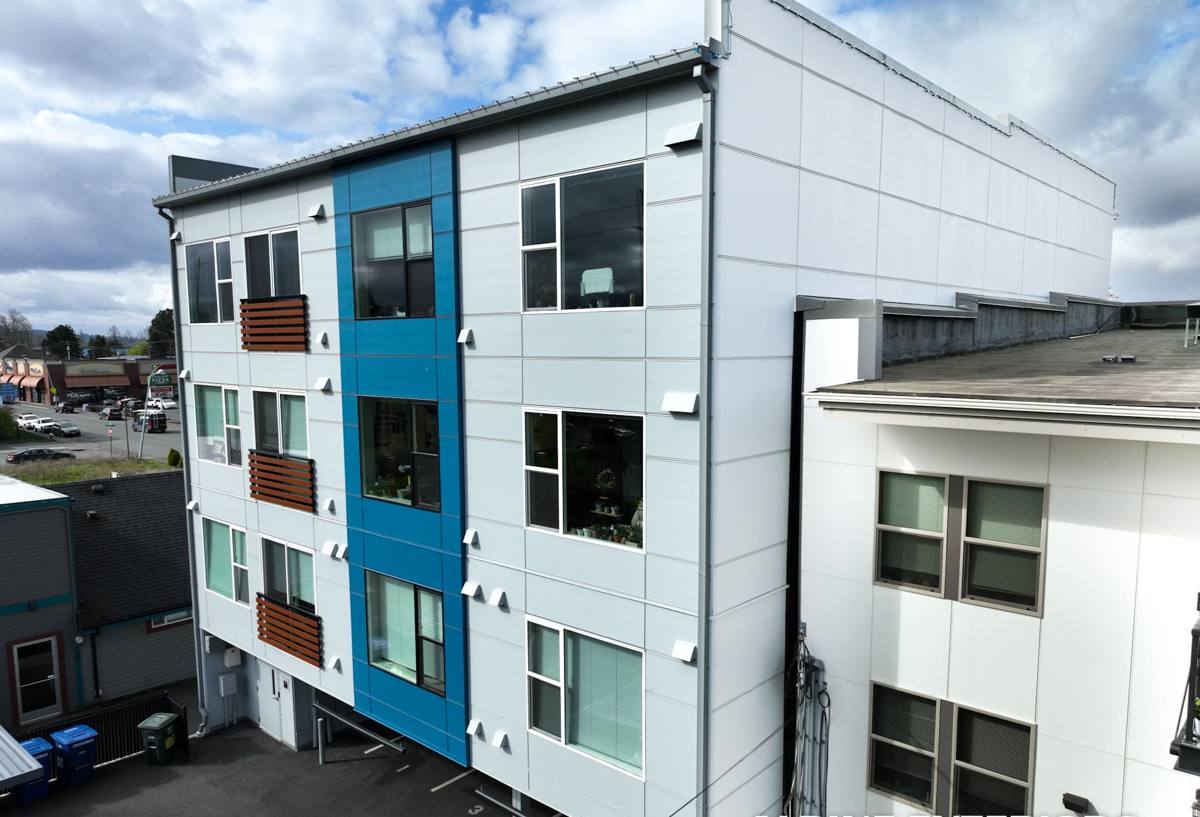
What Board & Batten Siding Actually Is
Board and batten isn't a single product — it's a siding pattern. Wide vertical boards (or panels) are installed with narrower strips, called battens, covering the seams between them. Historically this was a wood-framing technique used to shed water off a barn or farmhouse wall. Today, on a home, it's usually built one of two ways:
- Panel-and-batten: Large vertical fiber cement panels installed with battens over the panel joints — faster to install, fewer seams overall, and the approach we use most often for full board and batten elevations.
- Individual board-and-batten: Narrower vertical boards with a batten over every joint — more labor-intensive, more seams, and more places for water to find a way in if it's not detailed correctly.
Either way, the battens aren't just decorative. They're doing a job: covering the vertical seam and directing water down and off the wall instead of into it. That's the part that gets missed on lower-quality installs — the batten pattern looks right from the street, but the water management behind it is an afterthought.
Why We Install Board & Batten Only in James Hardie Fiber Cement
We don't install board and batten in vinyl, LP SmartSide, cedar, primed spruce, or other engineered wood products, and we want homeowners to understand why before they choose a contractor for this style specifically — because board and batten is less forgiving of material weaknesses than a standard horizontal lap job.
The vertical orientation means every seam is a potential water path running straight down the wall, right where wind-driven rain from a tropical storm hits hardest. Wood-based products — cedar, primed spruce, engineered wood — depend on paint film and caulking to keep moisture out of the plank itself, and in a climate with this much humidity and UV cycling, that paint film and caulk joint is the first thing to fail. Once moisture gets into a wood-based board, expansion, rot, and eventual replacement follow. Vinyl board and batten profiles are lightweight and can rattle, bow, or crack under sustained high wind, and they're not rated for the wind-load standards this coastal county holds new and replacement siding to.
James Hardie fiber cement is cement, sand, and cellulose fiber — it does not rot, it is not fuel for fire, and it does not depend on an intact paint film to keep water out of the board itself, the way wood does. Hardie's ColorPlus factory finish is baked on and backed by its own finish warranty, so the color isn't relying on a field-applied coat of paint holding up against Pinellas County sun and salt air the way a site-painted wood board's finish does. For the vertical panels and boards, and for the trim boards used as battens, we use Hardie's engineered HZ10 product line, built specifically for high-humidity, high-moisture climates like this one.
Comparing Materials for a Board & Batten Look
| Material | Moisture Behavior | Wind/Impact Durability | Maintenance Burden |
|---|---|---|---|
| James Hardie fiber cement | Non-combustible, resists moisture-driven swelling and rot | Engineered for high-wind coastal zones; rigid, well-fastened panel and batten system | Low — factory finish, no repainting cycle for the life of the ColorPlus warranty |
| Cedar / primed spruce | Absorbs moisture at seams and cut ends; prone to rot if finish fails | Can split or warp under repeated wet/dry and UV cycling | High — repainting and caulk maintenance on a recurring schedule |
| LP SmartSide (engineered wood) | Resin-treated strand product; still wood-based, sensitive to sustained moisture exposure at edges | Reasonable in normal conditions; edge and seam detailing is critical | Moderate — finish and seam upkeep over time |
| Vinyl board and batten profile | Doesn't rot, but not a rigid water-management system on its own | Can bow, crack, or blow off in sustained high wind | Low upkeep, but limited repair options once damaged |
What a Correct Board & Batten Installation Involves
The material is half the equation. The other half is installation — and board and batten has more places to get it wrong than a standard lap siding job because of how many vertical seams and batten joints exist on a typical elevation.
Water Management Behind the Boards
Every correct installation starts with a weather-resistive barrier and properly integrated flashing at every window, door, and penetration before a single board goes up. On a board and batten wall, flashing details at the top and bottom of each vertical run, and at any horizontal transition, matter even more than on lap siding, because water traveling down a vertical seam has a straight shot to whatever's underneath if it's not stopped and redirected correctly.
Fastening for Wind Load
Pinellas County's coastal wind-load requirements govern fastener type, spacing, and pattern for exterior siding, and board and batten panels — being larger, flatter surfaces catching more wind — need to be fastened to those specs, not to a generic "good enough" pattern. This is a detail that's invisible once the job is finished but is exactly what separates siding that survives a tropical system from siding that doesn't.
Batten Spacing and Seam Coverage
Battens need consistent spacing for the look to read correctly, but more importantly they need full, consistent coverage over the panel or board seam beneath — not just centered close enough. Gaps or inconsistent overlap at the seam is where water gets behind the system regardless of how good the base material is.
Manufacturer-Specified Clearances
James Hardie specifies minimum clearances between the bottom of the siding and grade, roof lines, decks, and patios. On a lot in Oldsmar with mature landscaping or a pool deck close to the house, hitting those clearances sometimes takes real planning, not just running boards down to whatever's there.
Our Process on an Oldsmar Board & Batten Job
- On-site assessment: We look at the existing wall assembly, moisture condition, window and door flashing, and any problem areas — rot, prior water intrusion, clearance issues — before we talk product or price.
- Design and layout: We plan panel and batten layout around the home's actual elevations, window and door openings, and any accent areas, so the pattern lines up cleanly rather than getting forced to fit at the end.
- Written scope and product spec: You get a clear scope of work naming the specific Hardie panel, board, and trim products, fastener spec, and flashing approach — not a vague "siding replacement" line item.
- Removal and inspection: If this is a re-side, we remove the old siding and inspect sheathing for hidden rot or moisture damage before closing the wall back up, and flag anything we find before proceeding.
- Weather barrier and flashing: Full weather-resistive barrier installation with flashing integrated at every penetration, per manufacturer and code requirements.
- Panel, board, and batten installation: Installed to Hardie's fastening schedule and the wind-load requirements for this area, with consistent batten coverage over every seam.
- Final walkthrough: We walk the finished job with you, point out what we did and why, and make sure the result matches what was scoped.
Long-Term Performance in This Climate
Once it's installed correctly, James Hardie board and batten in the HZ10 line is built to handle Tampa Bay's humidity and moisture cycling without the swelling, cupping, or rot risk that comes with wood-based alternatives. The ColorPlus factory finish resists the fading that intense year-round Florida UV causes to field-painted surfaces, and fiber cement doesn't provide fuel for fire the way wood siding does. It still needs basic homeowner upkeep — periodic rinsing to keep salt air residue from building up, and a visual check after major storms — but it isn't riding on a paint film or caulk joint to keep water out of the substrate itself.
What to Check Before Hiring a Board & Batten Contractor in Oldsmar
- Do they specify the exact Hardie product line (panel, board, and trim/batten) in writing, not just "fiber cement siding"?
- Do they explain their flashing and weather-barrier approach before you ask?
- Are they familiar with Pinellas County's wind-load fastening requirements for this coastal zone?
- Will they inspect and disclose sheathing condition before closing the wall back up on a re-side?
- Do they carry manufacturer certification or documented experience installing James Hardie specifically, not siding installation in general?
- Is the warranty structure — both installation and manufacturer — explained clearly, not glossed over?
A crew that already works in and around Oldsmar and the broader Clearwater area knows the storm exposure, the salt air, and the wind-load rules this county holds siding to — and builds every layer of a board and batten job around that, not just the visible layer.
If you're considering board and batten siding for your Oldsmar home, we're happy to take a look and put together a clear, honest estimate — no pressure, no fake urgency. Use the form below to get started.