 Clearwater Window
 New-Construction Windows in Sunset Point: Getting It Right From the Rough Opening
When a Sunset Point home is being built, added onto, or opened up to the studs during a major renovation, the windows going in are a different job than a straight replacement. New-construction windows are set into a framed rough opening before the exterior finish goes on, which means the flashing, the weather barrier, and the fastening all have to be sequenced correctly the first time. There's no going back later to fix a bad flashing detail without tearing into finished wall assembly. For homes in Clearwater and the surrounding Pinellas County coastline, that first-time-right requirement matters more than in most parts of the country, because the opening also has to hold up to hurricane-force wind, constant UV, wind-driven rain, and salt air from day one.
This page covers what a new-construction window job actually involves in Sunset Point specifically — the code requirements, the installation sequence, the material choices, and why local experience changes the outcome.
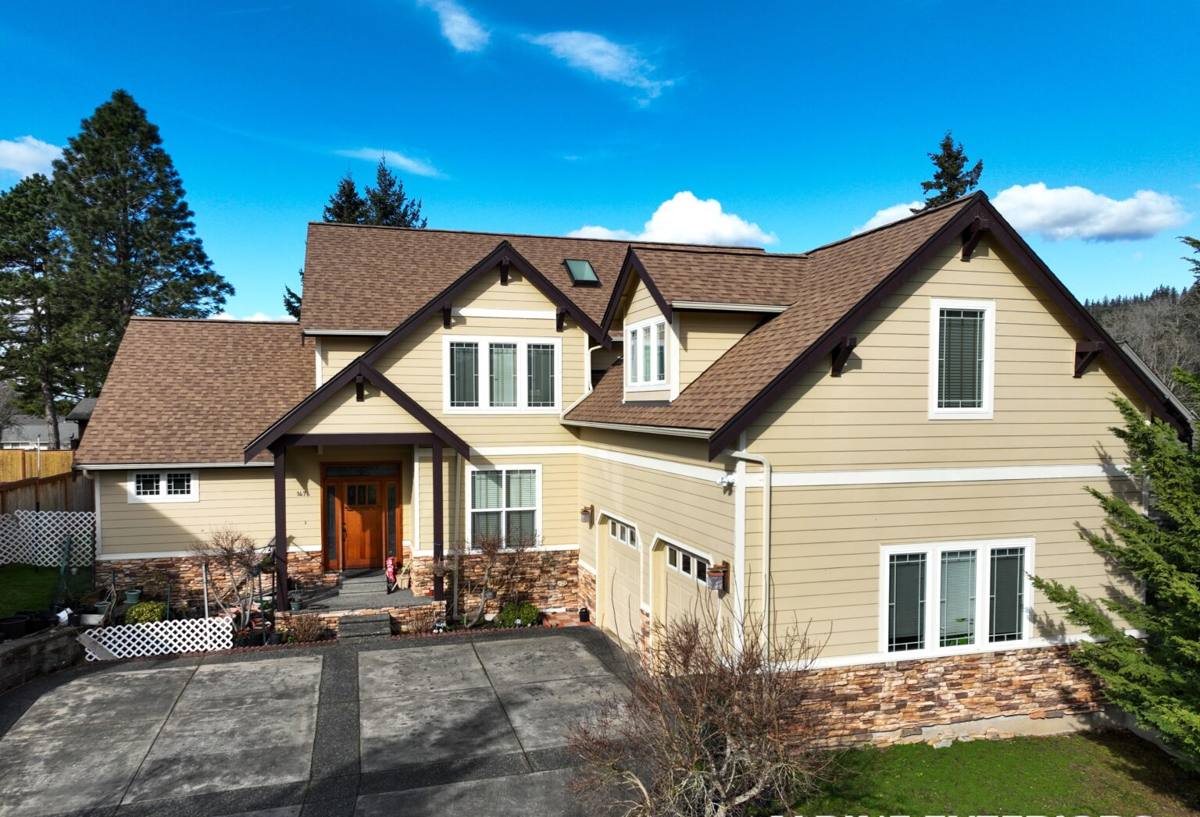
What Clearwater's Climate Asks of a New Window Opening
Sunset Point sits in a part of Clearwater close enough to open water that the same climate stresses affecting the rest of the Pinellas County coastline apply here too. A new-construction window opening has to be built to handle four things at once, not just one.
Hurricane-Force Wind
Wind doesn't just push on glass — it creates pressure differentials that pull at the frame's fastening and the flashing around it. A window that's rated for wind load but installed with the wrong fastener spacing or an incomplete flashing lap can still fail at the opening, even if the glass itself holds.
Year-Round UV Exposure
Central Florida gets strong sun essentially every month of the year. Vinyl frames, sealants, and glazing compounds all degrade faster under sustained UV than they would in a milder climate, which is why product selection and glazing detail matter more here than in a northern build.
Wind-Driven Rain
A normal rainstorm in Clearwater can push water sideways into a wall assembly, not just down. New-construction flashing has to shed water outward and downward at every lap — sill, jambs, and head — assuming the rain is coming in at an angle, not straight down.
Salt Air and Corrosion
Even homes that aren't directly on the water pick up airborne salt that accelerates corrosion on fasteners, hardware, and some metal frame components. Over years, that's often what shows up first as stuck locks, streaking, or pitted hardware — not glass failure.
Florida Building Code, Wind-Borne Debris, and What It Means for Your Project
Pinellas County falls within the Florida Building Code's wind-borne debris region, which is a separate designation from the High-Velocity Hurricane Zone that applies to Miami-Dade and Broward Counties further south. That distinction matters for product selection: Sunset Point homeowners generally have the option of impact-rated glazing or code-compliant shutters/protective coverings on openings, whereas HVHZ jurisdictions have their own stricter approval pathway. Either way, any window installed here needs a valid approval — either a Florida Product Approval number or a Miami-Dade County Notice of Acceptance (NOA), both of which are accepted statewide — that matches the specific design pressure and wind-borne debris requirements for your address and exposure.
New construction and major renovation work also requires a permit through the local building department, along with inspections tied to the framing and final stages. This isn't paperwork for its own sake — the inspector is checking that the flashing, fastening, and product approval actually match what was submitted, which protects you if there's ever a warranty or insurance question down the road.
New-Construction vs. Replacement Windows: Why the Distinction Matters
A lot of homeowners assume "new windows" is one category of work. In practice, the method changes based on whether the rough opening is exposed or not, and using the wrong method in a new-construction situation creates real problems.
| Factor | New-Construction Window | Insert / Replacement Window |
|---|---|---|
| Rough opening | Exposed stud framing, no existing window | Existing frame stays in place |
| Flashing integration | Sill pan and flashing tie directly into the weather-resistive barrier | Limited flashing access; relies on existing frame's condition |
| Attachment method | Nailing fin or flange fastened to structural framing | Fastened through the existing frame into the old opening |
| Best used when | New builds, additions, or walls opened to the studs | Existing openings in sound condition, no structural changes |
| Moisture control | Built and verified during install, before finish goes on | Depends heavily on the condition of the original opening |
Sunset Point has a mix of older block homes and newer builds and additions, so the right method depends on the specific opening — but for true new construction, using a replacement-style approach is a shortcut that skips the flashing integration a framed opening is designed for.
Anatomy of a Correct New-Construction Window Install
The sequence matters as much as the product. A correct new-construction window installation follows this order, and skipping or reversing steps is where most future leaks originate.
- Sill pan flashing installed first, sloped to drain any water that gets past the window back out to the exterior
- Weather-resistive barrier integrated so water sheds over the flashing at every layer, never behind it
- Window set plumb, level, and square in the rough opening before any fastening begins
- Nailing fin or flange fastened per the manufacturer's approved schedule — spacing isn't optional, it's part of the wind rating
- Jamb and head flashing lapped correctly over the fin so water is directed outward, not trapped
- Sealant applied at the specified joints only — oversealing can trap moisture just as badly as under-sealing
- Interior and exterior trim completed once flashing and sealant have been inspected
Every one of these steps gets buried behind siding, stucco, or trim once the job is done. That's exactly why sequencing has to be right the first time — there's no easy way to inspect a sill pan two years later without opening the wall back up.
Choosing Frame Material and Glass for a Sunset Point Home
Frame material and glazing package are where a lot of the climate-resistance decisions actually happen, and they're worth understanding before you sign off on a product.
Frame Material
Vinyl frames are common because they don't corrode from salt air and hold up well to Florida's UV when made with a quality compound, though lower-grade vinyl can discolor or become brittle over time. Aluminum frames are strong and slim-profile but need a good finish to resist salt-air corrosion over the years. Fiberglass sits in between — strong, stable, and low-maintenance, generally at a higher cost. There's no universally "best" answer; it depends on your home's style, budget, and how close you are to open water.
Glass and Glazing
For openings in the wind-borne debris region, you're generally choosing between impact-rated laminated glass or code-approved shutters paired with standard glass. Impact glass adds a layer of protection that also happens to cut down UV transmission and outside noise, which is a real quality-of-life benefit in a coastal neighborhood. Low-E coatings reduce heat gain, which matters given how much direct sun Pinellas County gets across the year — this affects comfort and cooling costs more than most homeowners expect going in.
How We Approach a New-Construction Window Project
Every job starts with the opening, not the product catalog. Our process for Sunset Point new-construction work looks like this:
- Review the framed openings and confirm they match the approved wind load and design pressure requirements for the property
- Recommend frame material and glazing based on the home's exposure, orientation, and your budget — not a one-size-fits-all package
- Handle the permit submission and coordinate required inspections with the local building department
- Install following the manufacturer's approved flashing and fastening sequence, verified at each stage before the next layer covers it
- Final walkthrough to confirm operation, sealant lines, and trim before we consider the job complete
Why a Crew That Already Works Sunset Point Matters
A window opening built to code on paper isn't the same as one built by a crew that's done this work up and down the Clearwater coastline. Local experience shows up in practical ways: knowing which inspectors want to see the sill pan before it's covered, understanding how a specific block of Pinellas County handles exposure category on permit submissions, and recognizing when a product approval doesn't actually match the wind zone for a given address. It also shows up in smaller things — knowing how salt air affects hardware finishes over a few years, or which sealant actually holds up through a full Florida summer instead of failing at the two-year mark.
None of that comes from a spec sheet. It comes from having installed openings in this specific climate, in this specific county, enough times to know where the details actually matter versus where they're just boilerplate.
What to Ask Before You Commit
Whether you're comparing us to another contractor or just want to understand the scope of your own project, these are the questions worth asking any crew doing new-construction window work in a coastal Pinellas County neighborhood:
- Will the window's product approval (Florida Product Approval or Miami-Dade NOA) match the wind load and exposure category for this specific address?
- Who is responsible for pulling the permit, and what inspections are scheduled at which stage?
- What's the flashing and sequencing plan for the sill, jambs, and head — and can it be explained in plain terms?
- What fastening schedule does the manufacturer require for this product's wind rating?
- What's covered under warranty, and does it cover installation as well as the product itself?
If you're planning a new build, addition, or renovation in Sunset Point and want windows installed the way this climate actually requires, we're glad to walk the openings with you and put together a free, no-pressure estimate — just fill out the form below.