 Clearwater Window
 New Construction Is a Different Job Than Replacement
When people call us about "new windows," most of the time they mean replacing old ones in a house that's already standing. New-construction window work is a different trade problem. There's no existing frame to work around, no old caulk to dig out, no compromise with whatever opening size happens to already exist. Instead, the window has to be planned, ordered, and installed as part of the building envelope itself — coordinated with the framer, the house wrap or weather-resistive barrier, the stucco or siding crew, and the final inspection.
That's a good thing when it's done right, because it means the window can be sized, specified, and flashed correctly from the start instead of being fitted into an opening that was never designed for it. It's a bad thing when it's rushed or handled by whoever happens to be on site that week, because mistakes made at this stage — a missing sill pan, a reversed flashing lap, an undersized fastening schedule — get sealed behind stucco or drywall and don't show up until there's a leak or a failed inspection years later.
For a Seminole build, whether it's a full custom home, a spec house, an addition, or a major remodel that opens up new wall space, getting this stage right matters more than almost anywhere else in the county because of what the building has to stand up to once it's occupied.
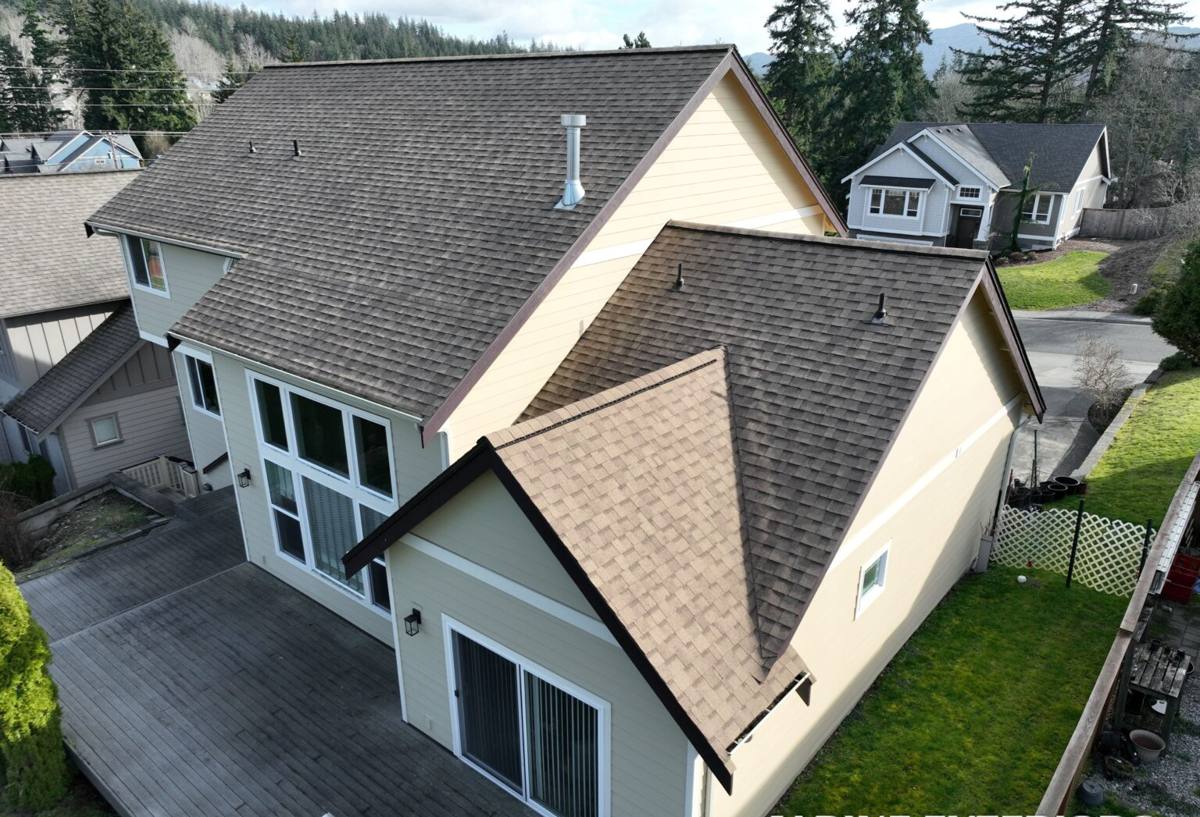
What Seminole's Climate Actually Demands From a Window
Seminole sits inland from the open Gulf beaches, but it's still well within coastal Pinellas County, tucked between Boca Ciega Bay, Lake Seminole, and the Intracoastal — which means the same weather that hits the barrier islands reaches Seminole too, just with a little less direct salt spray. New-construction windows here have to handle four things at once, year-round:
- Hurricane-force wind and windborne debris. Pinellas County falls within Florida's wind-borne debris region, so openings need to either be impact-rated or protected by code-compliant shutters, and the wind load rating has to match your specific site's design wind speed and exposure category.
- Wind-driven rain. Tropical systems and summer storms don't just hit windows head-on — wind pushes rain sideways and upward, which is why flashing details and sill pans matter as much as the glass itself.
- Intense, near-daily UV exposure. Florida sun degrades vinyl, breaks down inferior seals, and fades interior finishes faster than in most of the country. Glass coatings and frame material both need to be chosen with that in mind.
- Salt air corrosion. Even a few miles inland, moisture carries enough salt to accelerate corrosion on hardware, fasteners, and lesser-grade aluminum components over time.
A window spec that works fine in a drier, calmer climate can underperform here within a handful of years. New construction is the one point in a building's life where correcting for that costs almost nothing extra — it's a spec decision, not a retrofit.
Code Requirements That Shape the Job
Wind and Impact Protection
Because Seminole falls within the state's wind-borne debris region, new-construction openings generally need to be either impact-rated (laminated glass that stays intact when struck) or paired with code-approved protective coverings that meet the same wind load and impact standard. The exact design wind speed and required rating depend on your site's exposure category, elevation, and proximity to open water, all of which get worked out from the engineered plans, not guessed at on site.
Energy Code
Florida's energy code sets maximum U-factor and solar heat gain coefficient (SHGC) limits for windows in our climate zone, and those numbers get checked against the whole-house energy calculation, not judged window by window in isolation. A builder juggling total glazing area, orientation, and HVAC sizing needs a window supplier who can hand over accurate NFRC labels and ratings up front, not after the fact.
Egress and Life Safety
Bedrooms and other sleeping spaces need at least one window that meets minimum egress opening size, height, and sill height requirements. This has to be planned at the rough-opening stage — it's not something that can be corrected later without reframing.
Inspections
New-construction windows in Pinellas County get inspected — typically at rough-in/flashing stage and again at final — and the inspector is checking for the same things a good installer already builds in: correct fastening schedule, proper flashing integration, and product labels that match what was permitted. Work that skips ahead of inspection or covers flashing before it's checked creates real risk for the builder and homeowner down the line.
Getting the Installation Right the First Time
The window unit itself is only part of the job. What actually keeps water out of a Seminole home for the next twenty-plus years is how the opening is prepared and how the window is integrated into the wall system around it. On a new-construction opening, that means:
- Verifying the rough opening is square, plumb, and sized correctly before the window ever shows up — catching a framing error now is a phone call; catching it after stucco is a change order.
- Installing a proper sill pan flashing so any water that does get past the window drains back outside instead of into the wall cavity.
- Lapping flashing tape and house wrap in the correct shingle-style order — head flashing over the wrap, side and sill flashing under it — so water always sheds downward and outward.
- Fastening the window per the manufacturer's tested and approved schedule for the required wind load, not a generic "close enough" pattern.
- Sealing with the right sealant at the right joints, leaving the manufacturer's designed weep and drainage paths open rather than sealing them shut by mistake.
Every one of these steps gets covered up by exterior finish within days. There's no going back to fix it once stucco, siding, or trim goes on — which is exactly why this stage deserves a crew that's done it correctly hundreds of times, not one that's learning on your house.
Choosing the Right Window for a Seminole New Build
There isn't one "best" frame material for every project — it depends on the home's style, budget, and how exposed the site is. Here's how the common options actually compare for this climate:
| Frame Type | Wind/Impact Performance | Sun & Salt Durability | Typical Fit |
|---|---|---|---|
| Impact vinyl | Strong when properly rated; laminated glass handles debris impact well | Good UV-stabilized formulations hold up; avoid low-grade vinyl in full sun exposures | Most new-construction homes; good value-to-performance balance |
| Impact aluminum | Very strong; narrower frames allow more glass for the same opening | Needs a quality finish and corrosion-resistant hardware near the coast | Larger openings, contemporary designs, higher-end builds |
| Non-impact + shutters | Meets code only when paired with approved, code-rated shutters on every opening | Shutters add upkeep and must be deployed before every storm | Budget-conscious builds where owners will reliably use shutters |
| Wood/wood-clad | Can be impact-rated but less common in new construction here | Higher maintenance in humidity and salt air unless well-clad | Interior-style-driven choices, often paired with an impact-rated exterior clad option |
Whatever the frame, we'll only put our name on a glass package with a solar heat gain coefficient and U-factor that actually fit our climate zone — that's a professional standard, not a sales pitch, because an under-specified low-cost window in full Florida sun becomes an expensive comfort and energy problem long before it becomes a broken window.
Cost Factors Worth Understanding
New-construction window costs vary a lot by project, but the drivers are consistent. Rather than quote a number that won't match your specific job, here's what actually moves the price:
| Factor | Why It Matters |
|---|---|
| Impact rating vs. shutter-protected | Impact glass costs more per unit but eliminates the labor and hassle of storm prep and shutter maintenance |
| Opening size and quantity | Larger glass areas and more openings mean more material, more flashing labor, more fastening points |
| Frame material | Aluminum impact systems typically run higher than vinyl for comparable performance |
| Site exposure and wind zone | A more exposed lot can require a higher wind load rating, which affects both product and installation cost |
| Coordination complexity | Custom shapes, transoms, and multi-unit combinations take more layout and install time than standard rectangles |
How We Work With Builders and Homeowners in Seminole
On a new-construction job, we're one piece of a larger schedule, and we treat it that way. That typically looks like:
- Reviewing the plans and window schedule early so sizes, ratings, and egress requirements are locked in before ordering — not discovered at rough-in.
- Verifying rough openings against the approved plans before install day, and flagging discrepancies to the builder immediately rather than forcing a bad fit.
- Installing with documented flashing and fastening details that will hold up to inspection and to the storms this area actually sees.
- Being available for the rough-in and final inspections, since we did the work and know exactly what's behind the wall.
- Communicating directly with the general contractor or homeowner on scheduling, so window install doesn't become the bottleneck holding up the next trade.
We work new-construction and remodel openings across Pinellas County, and Seminole is regular territory for us — which means we already have a working relationship with how permitting and inspections run locally, and we're not guessing at wind zone requirements for the first time on your project.
A Quick Checklist If You're Planning a Seminole Build
- Confirm your site's required wind load rating and whether you're planning impact glass or shutter protection for every opening.
- Get NFRC-labeled U-factor and SHGC numbers in writing before windows are ordered, not after.
- Make sure at least one egress-compliant window is planned for every bedroom, sized and positioned correctly from the framing stage.
- Ask who is responsible for sill pan flashing and WRB integration — and make sure it's someone experienced with this climate, not just "whoever's available."
- Build inspection sign-off into your schedule rather than treating it as a formality to rush past.
New-construction windows are one of the few parts of a build where doing it right the first time costs you almost nothing extra — it's a specification and installation decision, not an upcharge. If you're planning a new build, addition, or major remodel in Seminole or elsewhere in Pinellas County, we're happy to walk through your plans and give you a straightforward, no-pressure estimate using the form below.