 Clearwater Window
 Why Palm Harbor Homeowners Are Switching to Metal Roofing
Palm Harbor sits close enough to the Gulf and the Intracoastal that its roofs take a different kind of beating than homes further inland. Between tropical systems rolling through Pinellas County, near-constant summer humidity, and salt-laden air drifting off the water, an asphalt shingle roof here tends to age faster than the manufacturer's brochure suggests. That's the main reason we get so many calls from Palm Harbor homeowners asking about metal roofing: it's not a trend purchase, it's a practical response to what this climate actually does to a house over 15-20 years.
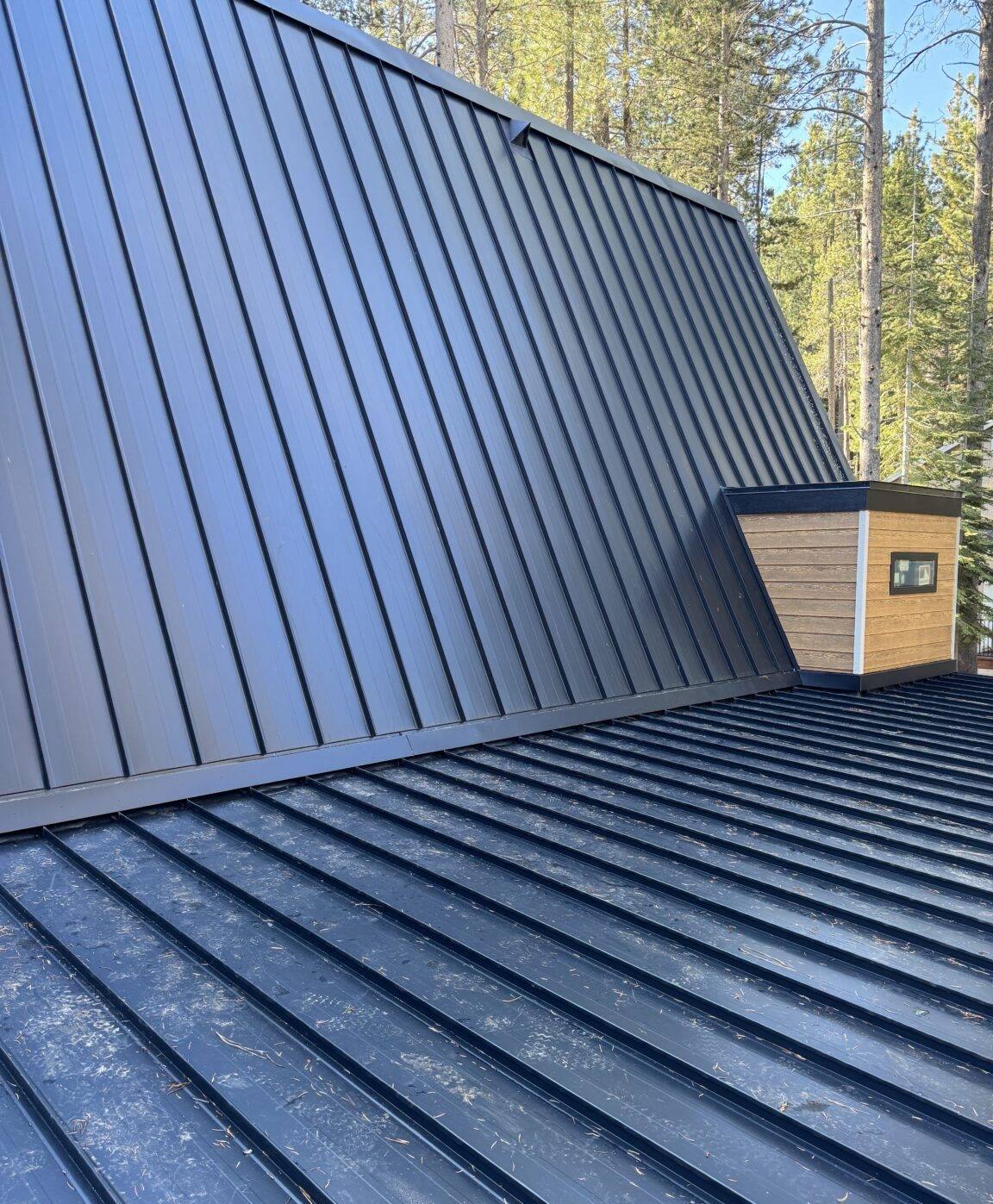
A properly installed metal roof gives you a system rated for far higher wind uplift than standard shingles, a surface that reflects rather than absorbs UV load, and a lifespan that can outlast two or three shingle reroofs. It's a bigger check up front. For homeowners planning to stay put, or simply tired of reroofing every decade and a half, the math usually works in metal's favor.
What Pinellas County's Climate Actually Does to a Roof
It helps to understand the specific stresses a roof in this part of Florida is under, because it explains almost every decision we make on a metal roofing job.
Hurricane-Force Wind
Palm Harbor doesn't need a direct hurricane hit to feel wind damage. Tropical storm force gusts and the outer bands of passing systems are enough to lift poorly fastened shingles or work loose flashing that wasn't sealed correctly the first time. Metal roofing, when installed to the fastening schedule it's rated for, handles sustained high wind and gusts dramatically better than shingles.
Year-Round UV Exposure
Florida sun is relentless on roofing materials twelve months a year, not just in summer. Asphalt shingles lose their granules and become brittle under that kind of constant UV load. Metal roofing with a quality baked-on finish resists UV breakdown and reflects a significant amount of solar heat rather than absorbing it, which also takes some load off your attic and air conditioning.
Wind-Driven Rain
A storm doesn't just drop rain straight down here — wind pushes it sideways and up under laps, ridges, and flashing. This is where a lot of roof leaks actually start, and it's why the underlayment and flashing details matter as much as the roofing material itself.
Salt Air
Being close to the Gulf and area waterways means airborne salt settles on every exterior surface, including your roof and its fasteners. Salt accelerates corrosion on unprotected or mismatched metals, which is a real consideration when choosing panel material, coatings, and fasteners for a home in this part of Pinellas County.
Metal Roofing Options We Install in Palm Harbor
Not every metal roofing system is built the same way or suited to the same house. Here's how the main options compare for a coastal Pinellas County property.
| System | Typical Lifespan | Wind & Corrosion Performance | Best Suited For |
|---|---|---|---|
| Standing seam (concealed fastener) | 40-60+ years | Highest wind uplift resistance; no exposed fasteners to fail or corrode over time | Homes prioritizing maximum storm performance and longevity |
| Stone-coated steel | 30-50 years | Strong wind rating; coating adds a layer of UV and impact resistance | Homeowners who want a shingle or tile look with metal's durability |
| Exposed-fastener panel (corrugated/ribbed) | 25-40 years | Good wind rating, but exposed fasteners require periodic inspection and occasional re-torquing or replacement | Budget-conscious projects, secondary structures, or homeowners comfortable with light ongoing maintenance |
For most Palm Harbor homes, we lean toward standing seam or a quality stone-coated steel system, simply because the concealed or coated fastening reduces the long-term maintenance burden in a salt-air environment. Exposed-fastener panels aren't a bad product — they're just a different maintenance commitment, and we tell homeowners that up front rather than after the fact.
What a Correct Metal Roof Installation Actually Involves
Metal roofing fails prematurely almost exclusively because of installation shortcuts, not because the material itself wore out. A correct install has several layers working together, and skipping any one of them undermines the whole system.
Deck Inspection and Prep
Before anything goes on, the existing deck needs to be sound — no soft spots, delaminated plywood, or hidden water damage from years of minor leaks. Metal panels won't fix a bad deck; they'll just hide the problem until it's worse.
Underlayment
Given how much wind-driven rain this area sees, we use a high-quality synthetic or self-adhered underlayment rated for the exposure, with extra attention at eaves, valleys, and any low-slope sections where water pressure builds up during a storm.
Fastening and Attachment
The fastening pattern — clip spacing on standing seam, screw pattern and gasket quality on exposed-fastener panels — has to match the wind uplift rating required for your specific property, not just a generic spec sheet. This is where a lot of underbid jobs cut corners.
Flashing and Penetrations
Every pipe boot, chimney, wall transition, and valley is a potential entry point for wind-driven rain. Flashing details here take real craftsmanship — it's the difference between a roof that sheds water in a sideways storm and one that doesn't.
Ventilation
Proper ridge and soffit ventilation keeps attic heat and moisture from building up under the panels, which protects both the roof deck and your energy bills in Florida's climate.
Salt Air and Metal Compatibility
This is a detail that's often overlooked outside of coastal-adjacent areas like Palm Harbor: not all metals and fasteners get along with each other, and salt air makes any mismatch worse. Mixing incompatible metals — say, an uncoated steel fastener against an aluminum panel — sets up galvanic corrosion that can eat away at the connection over time, well before the panel itself would ever fail on its own.
We match fastener and flashing metal to the panel material and specify coatings rated for coastal exposure. It's a small line item on an estimate that has an outsized effect on how the roof looks and performs ten and twenty years down the road.
Permits, Wind Ratings, and Insurance in Pinellas County
Metal roofing in Palm Harbor is a permitted job, and the permit process checks that the installed system meets the wind uplift and product approval requirements for your property's location and exposure. We handle that permitting and inspection process as part of the job rather than leaving it for the homeowner to sort out.
There's also a financial upside worth knowing about: many insurance carriers offer wind mitigation credits for roofs that meet certain wind-resistance and secondary water barrier standards. A correctly installed and documented metal roof can qualify for those credits, which is worth asking your insurance agent about once the job is complete.
Our Process, Start to Finish
- Inspection and estimate: We assess your current roof, deck condition, and any problem areas specific to your home before recommending a system.
- Tear-off or recover evaluation: We determine whether a full tear-off is needed or, in limited cases, whether a recover is appropriate — and explain why.
- System and finish selection: You choose the panel type, profile, and color; we advise on what performs best for your home's exposure.
- Permitting: We pull the required permits and confirm the installation plan meets local wind and code requirements.
- Installation: Deck prep, underlayment, panel installation, and flashing detail work, done in sequence with no skipped steps.
- Final inspection and cleanup: We walk the finished roof with you, confirm it passes required inspections, and leave the property clean.
Maintenance Checklist for Metal Roofs Near the Coast
Metal roofing is low-maintenance compared to shingles, but "low" doesn't mean "none" — especially with salt air in the mix. A short annual routine goes a long way.
- Rinse off accumulated salt spray and debris, particularly after a stretch of onshore wind
- Check exposed fasteners (if applicable) for backing out or early corrosion
- Clear gutters and valleys so water isn't pooling against panel edges
- Look at sealant and flashing around penetrations for cracking after intense UV exposure
- After any major storm, do a visual check for lifted panels, dented sections, or damaged flashing
Why a Crew That Already Works Palm Harbor Makes a Difference
Metal roofing done wrong is expensive to fix, and it's usually the details — fastening schedule, flashing sequence, metal compatibility, permit compliance — that separate a roof that performs in a storm from one that doesn't. A crew that regularly works in Palm Harbor and the surrounding Pinellas County area already understands the local wind exposure conditions, the permitting process with the relevant building department, and what actually holds up against salt air here versus a generic installation spec.
That local familiarity also means faster response if a storm does cause damage, and a working relationship with the same crew for any future maintenance or questions, rather than starting over with someone unfamiliar with your property or your area.
If you're weighing a metal roof for your Palm Harbor home, we're happy to take a look and walk you through what makes sense for your specific roof and budget. Reach out for a free, no-pressure estimate using the form below.