 Clearwater Window
 Largo's Climate Is Hard on Roofs — Here's Why
Largo sits in the middle of Pinellas County, close enough to the Gulf that salt air reaches every roof in town, and squarely in the path of the same tropical systems that threaten the rest of the Tampa Bay area. A roof here isn't just shedding rain — it's fighting four things at once, year-round, without a break.
Hurricane-force and tropical-storm-force winds test every nail, clip, and shingle tab on the field and especially at the edges and ridge. Intense, near-constant UV bakes asphalt shingles and dries out sealants faster than the same products would age in a northern climate. Wind-driven rain doesn't just fall straight down — it gets pushed sideways and upward under laps and flashing, which is why so many "leaks" in this area actually start as wind-driven water intrusion rather than a simple worn-out shingle. And salt air, even several miles inland, slowly corrodes exposed fasteners, flashing, and metal accessories over time.
None of this means a roof in Largo is doomed to fail early. It means the materials, fastening pattern, and detail work have to be chosen and installed with this specific combination of stresses in mind — not just whatever's fastest or cheapest to install.
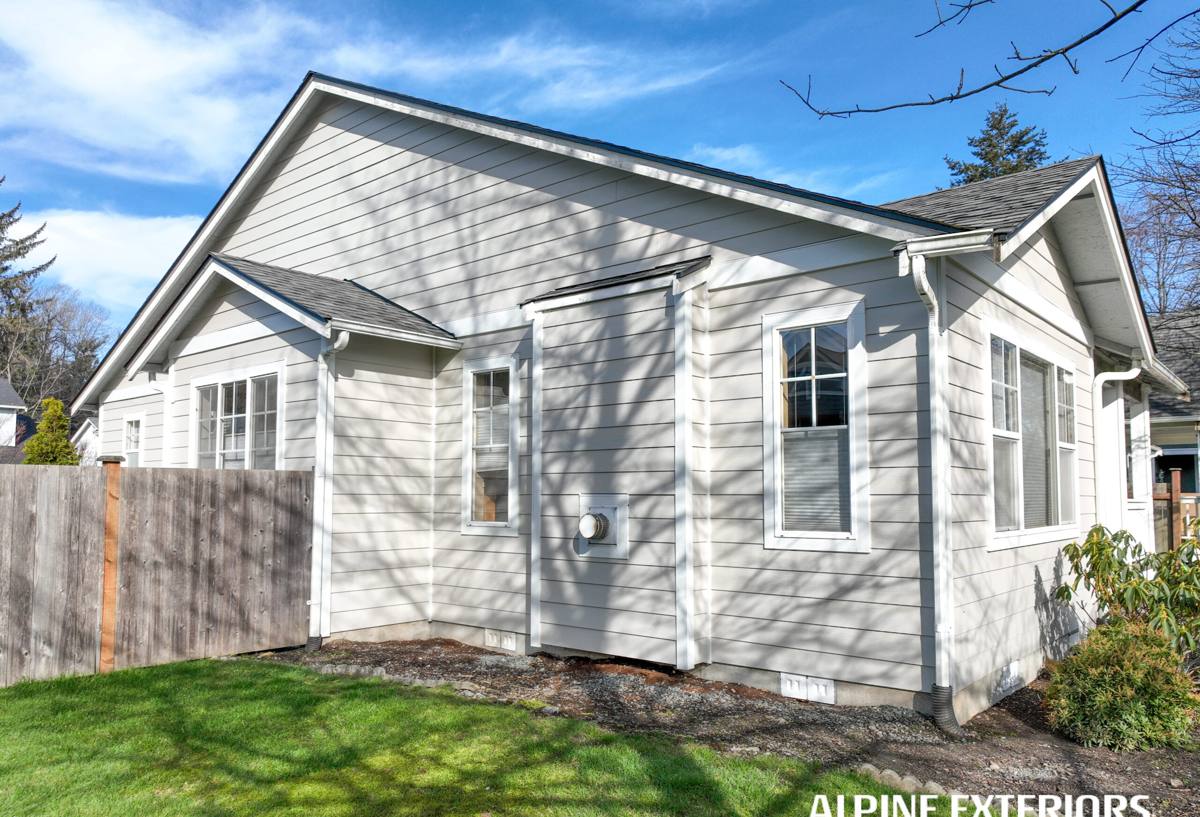
Signs a Largo Roof Needs Replacement, Not Another Repair
Most homeowners don't wake up one day and decide to replace a roof — they get there after a string of small problems. Knowing which signs point to a full replacement versus another patch job saves money and prevents surprises during the next storm.
- Granule loss heavy enough that shingles look patchy or bald in sun-exposed areas
- Shingles that are cracked, cupped, or curling at the edges from UV and heat cycling
- Soft spots or sagging when walked on, which usually points to deck damage underneath
- Repeated leaks in different spots after every heavy wind-driven rain event
- Missing or lifted shingles after storms, even in small numbers, especially near ridges and edges
- A roof approaching or past 15-20 years old, which is a realistic asphalt shingle lifespan in this climate
- Visible rust or corrosion on flashing, vents, or metal accessories
One or two of these on their own might just mean a repair. Several at once, or a roof that's simply reached the end of its expected service life in this climate, usually means it's more cost-effective to replace than to keep chasing individual failures.
Choosing the Right Roofing System for a Largo Home
There's no single "best" roof for every house — the right choice depends on your budget, how long you plan to stay in the home, your roof's shape, and how much wind and salt exposure your specific lot gets. Here's how the common options compare for this climate.
| Material | Wind Performance | UV / Heat Durability | Salt Air Resistance | Typical Lifespan Here |
|---|---|---|---|---|
| Architectural asphalt shingle | Good, when properly nailed and rated for high wind | Moderate — dependent on granule quality and ventilation | Good with quality fasteners and flashing | 15-20 years |
| Standing seam metal | Excellent when properly fastened | Excellent — reflects heat, doesn't granule-shed | Very good with coated/marine-grade fasteners | 30-50 years |
| Concrete or clay tile | Very good, weight helps resist uplift | Excellent, essentially immune to UV degradation | Good, though underlayment beneath tile ages and needs eventual replacement | 30-50+ years (tile), underlayment sooner |
| 3-tab asphalt shingle | Fair — lower wind rating than architectural | Lower — thinner mat, ages faster in direct sun | Fair | 10-15 years |
We'll walk through the honest trade-offs for your specific home and budget rather than pushing a single product. A higher upfront cost for metal or tile isn't the right call for every homeowner — but it's worth understanding before you decide based on price alone.
Why We're Selective About Materials
Not every product marketed as "hurricane-rated" performs the same once it's actually on a roof in coastal wind and salt exposure. We stick to manufacturers and product lines with a track record in Gulf Coast conditions, and we're upfront when a lower-cost option comes with real trade-offs in maintenance, moisture behavior, or warranty coverage — that's a conversation we'd rather have before the install than after a storm.
What a Correct Roof Replacement Actually Involves
A roof replacement is more than swapping old shingles for new ones. The parts you can't see after the job is done are usually what determines whether it holds up through the next decade of Pinellas County weather.
Full Tear-Off and Deck Inspection
We remove the existing roofing down to the deck rather than layering over old material. This is the only way to actually see the condition of the plywood or OSB underneath — wood that's been holding moisture or has soft, delaminated spots gets replaced before anything new goes down. Skipping this step is one of the most common shortcuts in the industry, and it's the reason a "new" roof can fail early.
Underlayment and Water Barrier
Given how often wind pushes rain sideways and under laps here, the underlayment layer matters as much as the shingle itself. A synthetic or self-adhering underlayment, installed with the right overlap and sealed at penetrations, is what actually keeps water out when wind-driven rain gets past the surface layer.
Flashing at Every Transition
Valleys, chimneys, wall transitions, and vent penetrations are where most leaks originate — not the open field of the roof. Properly formed and sealed metal flashing at each of these points, rather than reused old flashing or excess sealant as a substitute, is a detail that separates a roof that lasts from one that leaks within a year or two.
Ventilation
Intense Florida sun turns an unventilated attic into an oven, which shortens shingle life from underneath and drives up cooling costs. Balanced intake and exhaust ventilation is part of a correct install, not an optional add-on.
Wind-Rated Fastening
Nail pattern, nail type, and adhesive sealant strip performance all affect how a roof performs in high wind. We install to the fastening schedule required for the wind speed rating in this area — not the minimum a manufacturer allows in lower-wind regions of the country.
Our Roof Replacement Process
Homeowners generally want to know two things upfront: what happens to my house during this, and how do I know it's being done right. Here's the process in practice.
- On-site inspection and estimate. We walk the roof and attic, document existing conditions, and give you an honest assessment of repair versus replacement.
- Material and system selection. We go over the options in plain language, including realistic cost and lifespan trade-offs for your specific home.
- Permitting. Roof replacements in Largo and unincorporated Pinellas County require a building permit and inspection — we handle that paperwork as part of the job.
- Tear-off and deck repair. Old roofing comes off, the deck is inspected, and any damaged sections are replaced before moving forward.
- Underlayment, flashing, and installation. The new system goes on with attention to every transition point, not just the open field.
- Cleanup. Magnetic sweeps for nails and full debris removal from the yard and gutters before we consider the job finished.
- Final inspection. Both our own quality check and the required municipal inspection sign-off.
Permits, Wind Mitigation, and Insurance in Pinellas County
A roof replacement in this part of Florida isn't just a construction project — it's also a paperwork and insurance event. Pinellas County and the City of Largo require a permit for roof replacement, along with inspections at defined stages of the work. Skipping permits to save time is a shortcut that can come back to bite a homeowner at resale or during an insurance claim.
After a legitimate replacement, it's worth having a wind mitigation inspection done. Many insurance carriers offer meaningful premium discounts for roofs with modern, wind-rated construction, secondary water barriers, and proper roof-to-wall connections. A correctly documented replacement can pay part of itself back over time through lower premiums, on top of the protection itself.
What Affects the Cost of a Largo Roof Replacement
Every roof is different, and we don't think broad national average pricing tells a homeowner much. What actually moves the number on your specific home comes down to a handful of factors.
- Roof size and complexity — square footage, plus the number of valleys, hips, and dormers
- Pitch — steeper roofs take longer and require more safety setup
- Material choice — asphalt shingle, metal, and tile carry different material and labor costs
- Deck condition — how much plywood or OSB replacement is needed once the old roofing comes off
- Layers to remove — a single-layer tear-off costs less than removing multiple old layers
- Access — landscaping, fencing, or a tight lot can add time for material staging and cleanup
- Ventilation and code upgrades — bringing an older roof's ventilation or flashing up to current code
We give a written, itemized estimate rather than a single lump number, so you can see exactly what you're paying for and where any options or upgrades change the price.
Why Hire a Crew That Already Works in Largo
A roofing crew that regularly works this specific part of Pinellas County brings a few practical advantages that don't show up on a spec sheet. We already know which fastening and flashing details hold up against the wind and rain patterns typical to this area, rather than working from a generic national installation guide. We're familiar with the local permitting process and inspection expectations, which keeps the paperwork moving instead of stalling the job. And when a storm does roll through, a local crew can respond faster than a company dispatching from across the state or from out of the region entirely.
There's also accountability that comes with being a known, local business — we're not doing a one-time storm-chaser job and moving on to the next state. If a warranty issue comes up years down the road, we're still here.
Protecting Your New Roof After Installation
A correctly installed roof still benefits from basic upkeep in this climate. A little attention twice a year goes a long way toward getting the full lifespan out of the investment.
- Have gutters cleaned regularly so wind-driven rain has somewhere to go besides under the edges
- Trim back overhanging branches that can drop debris or scrape shingles in wind
- Schedule a visual inspection after any major storm, even if nothing looks obviously wrong
- Watch for granule buildup in gutters, which can signal accelerated shingle wear
- Keep an eye on attic ventilation — blocked soffit vents reduce airflow and shorten shingle life
If you're weighing whether your Largo home needs a repair or a full replacement, or you just want a straight answer on what a correct job actually costs, we're glad to take a look. Use the form below to request a free, no-pressure estimate.