 Clearwater Window
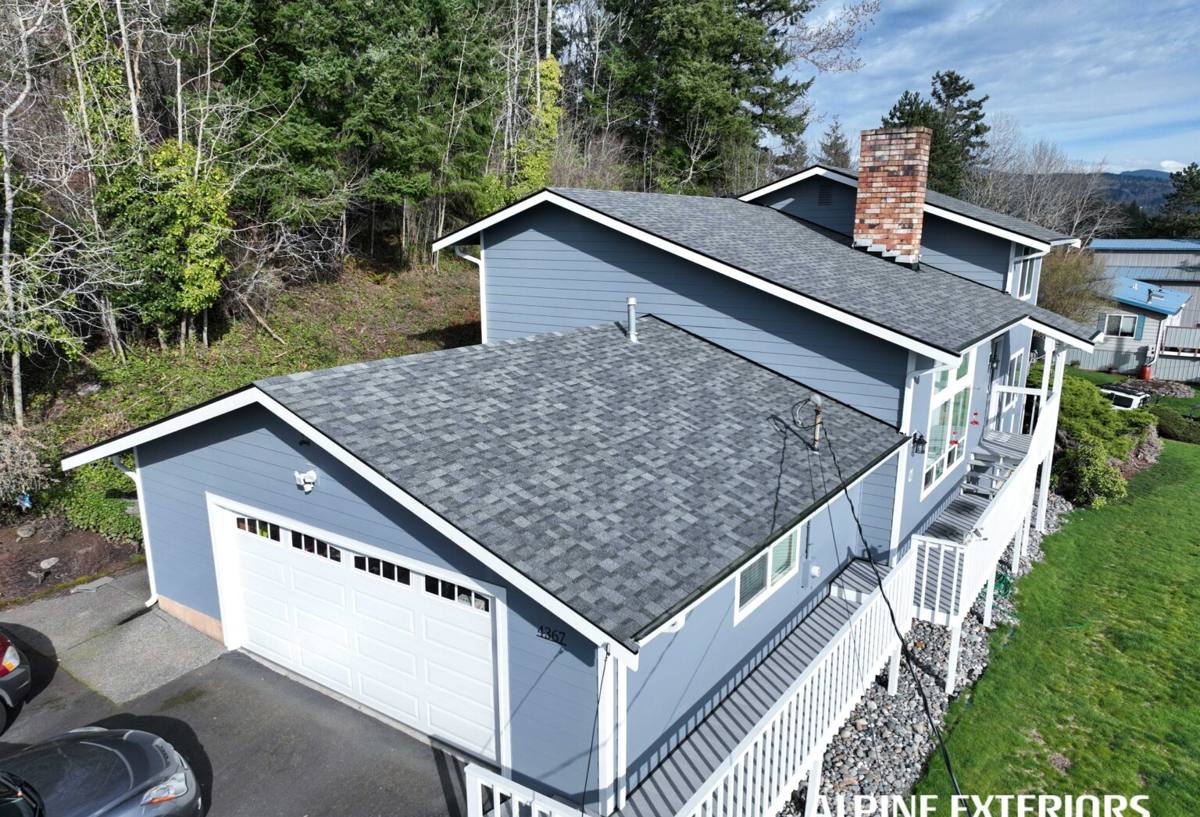
 Asphalt Shingle Roofing Built for Largo's Climate
Largo sits in the middle of Pinellas County, close enough to both the Gulf and Tampa Bay that homes here take on weather from two directions. That means asphalt shingle roofs in this area need to handle more than just an afternoon thunderstorm. Between hurricane-season wind events, near-constant UV exposure, and the salt-laden air drifting in off the water, a shingle roof in Largo works harder than the same roof would fifty miles inland. We install and repair asphalt shingle roofing specifically with that reality in mind, not a generic specification pulled from a manufacturer's national brochure.
This page covers what a correctly installed or repaired asphalt shingle roof looks like for a Largo home, how we approach the job from inspection through cleanup, and why local experience with this specific climate matters more than most homeowners realize until something goes wrong.
What Largo's Climate Actually Does to a Shingle Roof
Heat and UV
Florida sun is relentless on roofing. Asphalt shingles rely on their granule coating to reflect UV and protect the asphalt layer underneath. Year-round sun exposure accelerates granule loss, which is why a shingle roof that might last several decades in a milder climate shows wear sooner here. Attic ventilation plays a bigger role than most people expect — a poorly ventilated attic traps heat against the underside of the roof deck, which speeds up shingle aging from below at the same time the sun is aging it from above.
Wind and Wind-Driven Rain
Pinellas County sees tropical storm and hurricane-force wind events on a recurring basis, and Largo is not sheltered from that. Wind doesn't just tear shingles off — it gets underneath them. Once wind lifts a shingle edge even slightly, wind-driven rain can push water sideways and upward past the shingle line, which is why proper sealant strips, nailing patterns, and starter courses matter so much more here than in drier, calmer climates.
Salt Air
Being close to the coast means airborne salt settles on every exterior surface, including the roof. Salt accelerates corrosion on exposed metal — fasteners, flashing, vent stacks — long before the shingles themselves are due for replacement. A roof that looks fine from the ground can have flashing or fastener corrosion working against it up close.
What a Correct Asphalt Shingle Job Involves
A shingle roof is only as good as the layers underneath it. Homeowners rarely see this part of the job, but it's where most long-term failures actually start.
- Deck inspection and repair: Any soft, delaminated, or water-damaged decking gets replaced before a single shingle goes down. Shingles installed over a compromised deck will fail regardless of shingle quality.
- Underlayment: A synthetic or self-adhered underlayment provides the actual water barrier beneath the shingles. In a wind-driven rain climate like ours, this layer is not optional — it's the backup plan when wind pushes water past the shingle surface.
- Drip edge and starter strips: Properly installed metal drip edge and starter shingles at the eaves and rakes prevent wind from getting a grip on the first course, which is where most wind-related shingle loss begins.
- Flashing: Valleys, chimneys, wall intersections, and any roof penetration need correctly formed and sealed flashing. This is one of the most common places we find prior workmanship shortcuts on older Largo roofs.
- Nailing pattern: Manufacturer nailing specifications exist for a reason, and in a high-wind region, following them exactly — not just "close enough" — is what separates a roof that survives a storm from one that doesn't.
- Ventilation: Proper intake and exhaust ventilation keeps attic temperatures and moisture in check, which protects both the shingles and the roof deck from premature aging.
Repair or Replace? How We Evaluate a Largo Roof
Not every roof problem calls for full replacement, and we don't default to recommending one. The right call depends on the age of the roof, how widespread the damage is, and what condition the underlying deck and flashing are in.
| Situation | Typical Approach | Why |
|---|---|---|
| Isolated wind damage, roof under 10-12 years old | Targeted repair | Deck and underlayment are usually still sound; matching shingles is straightforward on a newer roof |
| Granule loss, curling shingles, roof nearing manufacturer's expected lifespan | Full replacement recommended | Repairs on aged shingles rarely hold, and surrounding shingles are likely close to failing too |
| Recurring leaks around valleys or penetrations | Flashing repair or replacement, sometimes partial reroofing | Flashing failure is a workmanship or material-age issue, not necessarily a shingle-field problem |
| Visible deck sag, soft spots, or interior water staining | Full replacement with deck repair | Structural deck damage needs to be addressed before any new roofing goes down |
| Roof over 20 years old with any active issue | Full replacement | At this age, underlayment and fasteners have likely degraded even where shingles look intact |
Our Process on a Largo Roofing Job
1. Inspection and Honest Assessment
We walk the roof (not just look at it from the driveway), check the attic where accessible, and document what we find — sun damage, wind damage, flashing condition, ventilation setup. You get a straight answer about whether you need a repair or a full replacement, with the reasoning behind it.
2. Written Scope and Estimate
Before any work starts, you get a clear scope of what's being done, what materials are being used, and what it costs. No vague line items.
3. Tear-Off and Deck Check (Full Replacements)
Old shingles and underlayment come off completely so the deck can be inspected directly. Any damaged plywood is replaced — this isn't a place to cut corners, since it's the foundation for everything installed on top of it.
4. Installation to Manufacturer and Local Wind Standards
Underlayment, drip edge, flashing, and shingles go on in the order and manner that hold up to Pinellas County wind and rain conditions, following manufacturer specifications for nailing and exposure.
5. Cleanup and Final Walkthrough
Job site debris and nail sweep are handled before we consider the job finished, and we walk the roof and property with you at the end so you know exactly what was done.
Shingle Options and Trade-Offs
Most residential roofs in this area use either three-tab or architectural (laminated) asphalt shingles. We generally recommend architectural shingles for Largo homes because their heavier, multi-layer construction gives them better wind resistance ratings and a longer service life in coastal, high-UV conditions — the added upfront cost is usually worth it given how hard the climate is on roofing here. Three-tab shingles remain a legitimate lower-cost option for certain budgets or structures, and we'll install either honestly based on what you want, but we'll tell you the trade-offs upfront rather than upselling by default.
Color and granule quality also matter more here than in milder climates — lighter colors reflect more heat, and higher-quality granule coatings resist the UV-driven fading and erosion that shows up faster on Gulf Coast roofs than on the same product installed further north.
Maintenance Checklist for Largo Homeowners
A little attention between major service visits catches small problems before they become leaks.
- After any named storm or significant wind event, do a visual check from the ground for missing, lifted, or curling shingles.
- Keep gutters clear so water isn't backing up under the roof edge.
- Trim back tree limbs that overhang the roofline — both for wind-debris risk and to reduce shaded, damp areas where organic growth can take hold.
- Watch for granules collecting in gutters or at downspout outlets, which signals accelerating shingle wear.
- Check attic insulation and ventilation periodically — poor airflow shortens shingle life from underneath.
- Have flashing around chimneys, skylights, and vent stacks inspected every few years, since these are common leak points long before the shingle field fails.
Why Local Experience in Largo Matters
A crew that already works this part of Pinellas County knows what to look for on a Largo roof before climbing up: the age and construction style typical of the area's housing stock, how salt exposure tends to show up on flashing and fasteners here, and what wind exposure a given roof orientation actually sees. That's different from a crew working from a generic checklist. It also means we're not learning the regional building and wind requirements on your roof — we already build to them as standard practice.
Roofing is also not a job to hand to whoever answers the phone fastest after a storm. Verifying licensing, insurance, and a real local track record takes a little time, but it's the difference between a roof that's done right and one you're dealing with again in two years.
Get a Free, No-Pressure Estimate
If you're dealing with storm damage, an aging roof, or just want an honest read on where your roof stands, we're happy to take a look. Use the form below to request a free estimate for asphalt shingle roofing service in Largo — no pressure, just a straight assessment and clear numbers.