 Clearwater Window
 Siding That Has to Earn Its Keep in Harbor Oaks
Harbor Oaks sits close enough to Clearwater Harbor that homeowners feel the difference in the air — literally. Between the salt carried in off the water, the intensity of Gulf Coast sun, and the wind-driven rain that comes with every serious summer storm, exterior materials in this neighborhood work harder than they do almost anywhere else in the country. Add the standing threat of hurricane-force wind gusts each season, and it becomes clear why siding that performs fine in a mild climate can fail fast here.
Many homes in this part of Clearwater are older, with mature tree canopies and a mix of architectural styles that were never built with today's storm codes or today's siding technology in mind. That combination — older wall assemblies, high humidity, and constant coastal exposure — is exactly the environment where the wrong siding choice turns into a recurring maintenance headache, or worse, a moisture problem hiding behind the wall.
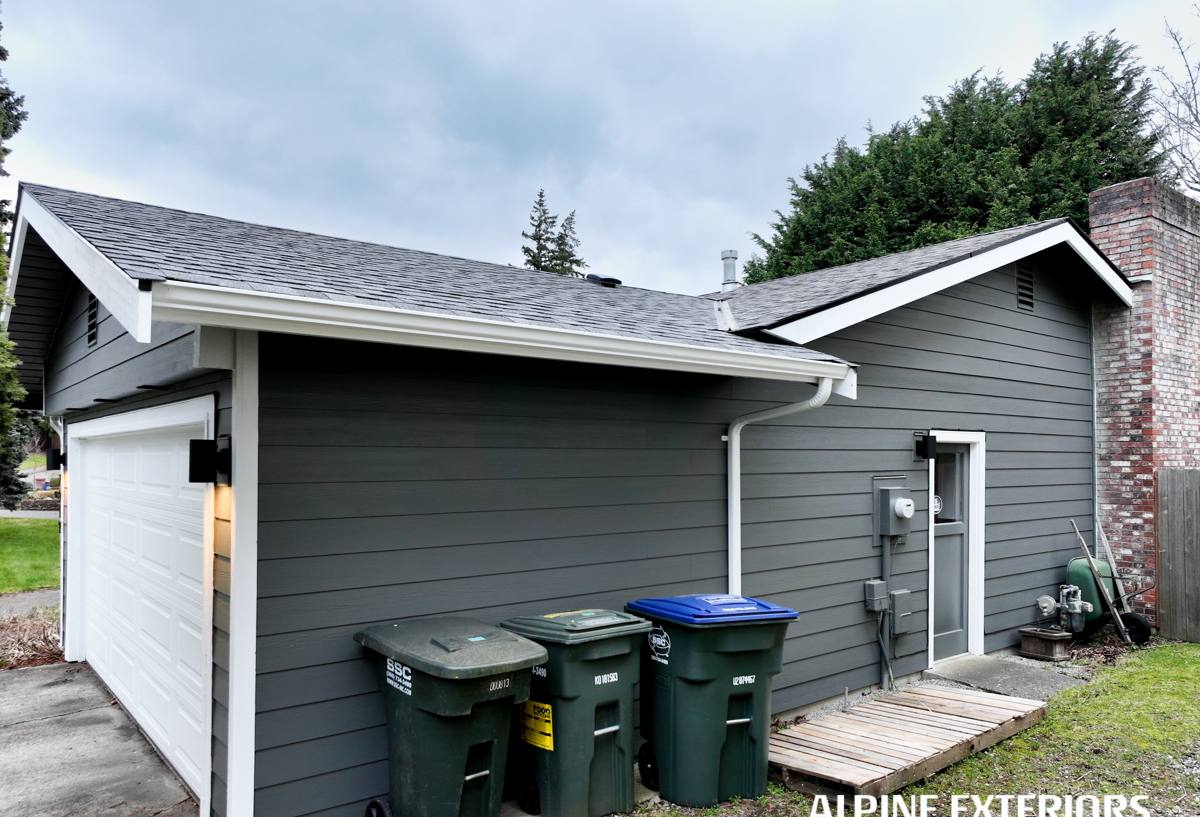
What Pinellas County's Climate Actually Does to Siding
It helps to be specific about what "coastal climate" means for a wall system, because the failure modes are different depending on the material:
- Salt air accelerates corrosion of fasteners and metal trim, and it degrades cheaper finishes faster than inland exposure would.
- UV intensity in Florida is high nearly year-round, which fades and chalks paint finishes on siding that isn't factory-engineered for it.
- Wind-driven rain during tropical storms and hurricanes forces water sideways and upward, testing every seam, joint, and piece of flashing — not just the field of the wall.
- Humidity keeps moisture in contact with wall assemblies longer, which is what turns a small water intrusion point into rot, mold, or delamination if the material and installation aren't right.
- Hurricane-force wind puts direct load and uplift pressure on siding panels and their fastening pattern, which is a installation and product-rating issue as much as a material one.
None of this means Harbor Oaks can't have great-looking, durable siding. It means the material and the installation both have to be chosen with this specific climate in mind, not a generic national spec.
Why We Install Only James Hardie Fiber Cement
We install James Hardie fiber cement siding exclusively — we do not install LP SmartSide, vinyl siding, Cemplank, Allura, or primed wood products like spruce or cedar. That's not a marketing preference; it's a standard we hold because of what we've seen coastal Florida exposure do to each category of material over time.
Vinyl siding can soften, warp, or become brittle under sustained high heat and UV, and it has real limits in high-wind ratings compared to fiber cement. Wood-based products, including engineered wood like LP SmartSide, are more sensitive to moisture intrusion at cut edges and seams — a real risk in a climate where wind-driven rain finds every gap. Other fiber cement brands like Cemplank and Allura are legitimate products on paper, but we've standardized on Hardie because of its factory-engineered HZ5 formulation for high-humidity, hurricane-prone regions, its ColorPlus factory finish (which resists the fading and chalking that field-painted or lower-grade finishes suffer under Florida sun), and a warranty structure we're comfortable standing behind on every job we do.
This isn't a claim that every alternative product is unusable everywhere. It's that for Pinellas County's specific combination of salt, sun, humidity, and wind, we don't think the trade-offs are worth it, and we'd rather put one product on every home and know exactly how it performs.
What a Correct Fiber Cement Installation Actually Involves
Fiber cement siding is only as good as the wall assembly behind it. A rushed or generic install is where most long-term problems start, even with a top-tier product. On a Harbor Oaks home, a correct job includes:
Prep and Moisture Management
Removing old siding down to the sheathing, inspecting for existing rot or moisture damage (common on older homes with prior water intrusion), and installing a code-compliant weather-resistive barrier before a single piece of Hardie goes up.
Flashing at Every Penetration
Windows, doors, hose bibs, light fixtures, and any other wall penetration need proper flashing and sealant details. In wind-driven rain, these penetration points are where water gets pushed into a wall — not through the field of the siding itself.
Fastening to Hardie's Specifications
Correct fastener type, spacing, and embedment matter for wind resistance. This is also where salt-air corrosion resistance comes in — using fasteners rated for coastal exposure, not standard hardware that will rust and stain over time.
Proper Clearances
Siding needs the right gap from grade, roof lines, decks, and other transitions to avoid trapping moisture against the material — a detail that's easy to skip and expensive to fix later.
Caulking and Joint Treatment
Factory-cut and field-cut edges need to be sealed per Hardie's installation guidelines, especially at butt joints, to preserve the moisture protection the product is engineered to provide.
Our Process for a Harbor Oaks Project
We approach every fiber cement siding job in this neighborhood the same structured way:
- On-site assessment — we inspect the current siding, sheathing condition, and any problem areas (window trim, roof transitions, low-clearance spots) before quoting anything.
- Product and color selection — we walk through Hardie's plank profiles, textures, and ColorPlus palette so the finished look fits the home and the neighborhood.
- Written scope and timeline — what's included, what the substrate prep involves, and a realistic schedule that accounts for Florida's summer storm patterns.
- Removal and substrate repair — any rot or damage found once old siding comes off gets addressed before new siding goes up, not covered over.
- Installation to spec — weather barrier, flashing, fastening, and clearances handled per Hardie's requirements for our wind and moisture zone.
- Final walkthrough — we review the finished job with the homeowner and go over basic care.
Choosing the Right Hardie Profile for Harbor Oaks Architecture
Harbor Oaks has a mix of home styles, and Hardie's product line has a profile suited to most of them. This is where product knowledge matters as much as installation skill:
| Hardie Product | Best Suited For | Coastal Consideration |
|---|---|---|
| HardiePlank Lap Siding | Traditional and Craftsman-style homes | Most common choice; wide range of widths and textures |
| HardieShingle | Cottage or coastal-accent styles | Good for gable accents; adds texture without full-wall cost |
| HardiePanel | Modern or mixed-material facades | Clean vertical lines; works well with board-and-batten accents |
| HardieTrim | Window, door, and corner detailing | Matches durability of the field siding at high-wear edges |
We also specify the HZ5 formulation appropriate for our humidity and wind zone rather than a generic national product — this is a detail that's easy to overlook if a contractor isn't used to building specifically for Gulf Coast conditions.
What Drives Cost on a Harbor Oaks Siding Job
Every home is different, but the same factors tend to move the price up or down on jobs in this area:
| Factor | Why It Matters |
|---|---|
| Substrate condition | Rot or water damage found during removal adds repair scope before new siding can go on |
| Home size and wall complexity | More corners, dormers, and trim details mean more labor and material cuts |
| Product selection | Lap width, texture, and accent profiles like shingle siding affect material cost |
| Access | Mature trees, tight lot lines, and multi-story sections common in older neighborhoods can affect labor time |
| Existing siding removal | Full tear-off versus working with an already-bare wall changes the scope |
We don't quote off a generic square-footage number — we quote off what we actually find during the on-site assessment, so the number reflects the real home, not an estimate.
Why Hiring a Crew That Already Works This Neighborhood Matters
Fiber cement siding installed to spec in Orlando or inland Georgia isn't automatically installed correctly for Harbor Oaks. A crew that regularly works in this part of Clearwater already understands things a generalist contractor has to learn on the job: how salt exposure changes fastener choice, how older homes in this area tend to be built, what kind of moisture issues show up behind existing siding here, and how to sequence a job around Florida's summer storm season instead of getting caught mid-project. That local repetition is what turns a correct installation into a consistent one, job after job.
Keeping Hardie Siding Looking Right in a Salt-Air Climate
Correctly installed James Hardie siding is low-maintenance, but "low" isn't "none" in a coastal environment. A short seasonal checklist keeps it performing the way it's supposed to:
- Rinse the exterior periodically to clear salt residue and airborne debris, especially on sides facing the water or prevailing wind.
- Inspect caulking at joints, trim, and penetrations annually — sealant is the first thing to wear in this climate.
- Check for gaps or damage after any major storm, particularly around flashing and low-clearance areas.
- Keep mulch, plantings, and irrigation from spraying directly onto siding to avoid sustained moisture contact.
- Watch for any soft spots, staining, or discoloration, which can signal a moisture issue behind the surface rather than a cosmetic one.
If your Harbor Oaks home is due for new siding, we're happy to take a look and walk you through what we'd recommend and why. The estimate is free, there's no pressure, and you'll get a straight answer about what your home actually needs — just fill out the form below.