 Clearwater Window
 Belleair Bluffs Windows Work Harder Than Most
Belleair Bluffs sits close enough to the Intracoastal and the Gulf that its windows deal with a different set of stresses than a house twenty miles inland. Salt-laden air corrodes hardware and pits glass coatings over time. Intense, nearly year-round UV breaks down vinyl, seals, and glazing compounds faster than in most of the country. Wind-driven rain during summer storms tests every seal and flange. And whenever a tropical system tracks through the Gulf, every window on the house becomes part of the home's structural envelope, not just a view. Old, single-pane, or poorly sealed windows in this environment don't just waste energy — they let in heat, humidity, and eventually water, and they're a weak point if wind pressure builds against the house.
An energy-efficient window package for a home in this part of Pinellas County has to do three jobs at once: keep conditioned air in, keep the outside environment out, and hold up physically to what the Gulf Coast throws at it. Windows built and installed correctly for this climate pay for themselves in comfort and lower cooling bills, and they hold up for decades instead of needing recaulking and hardware repair every few years.
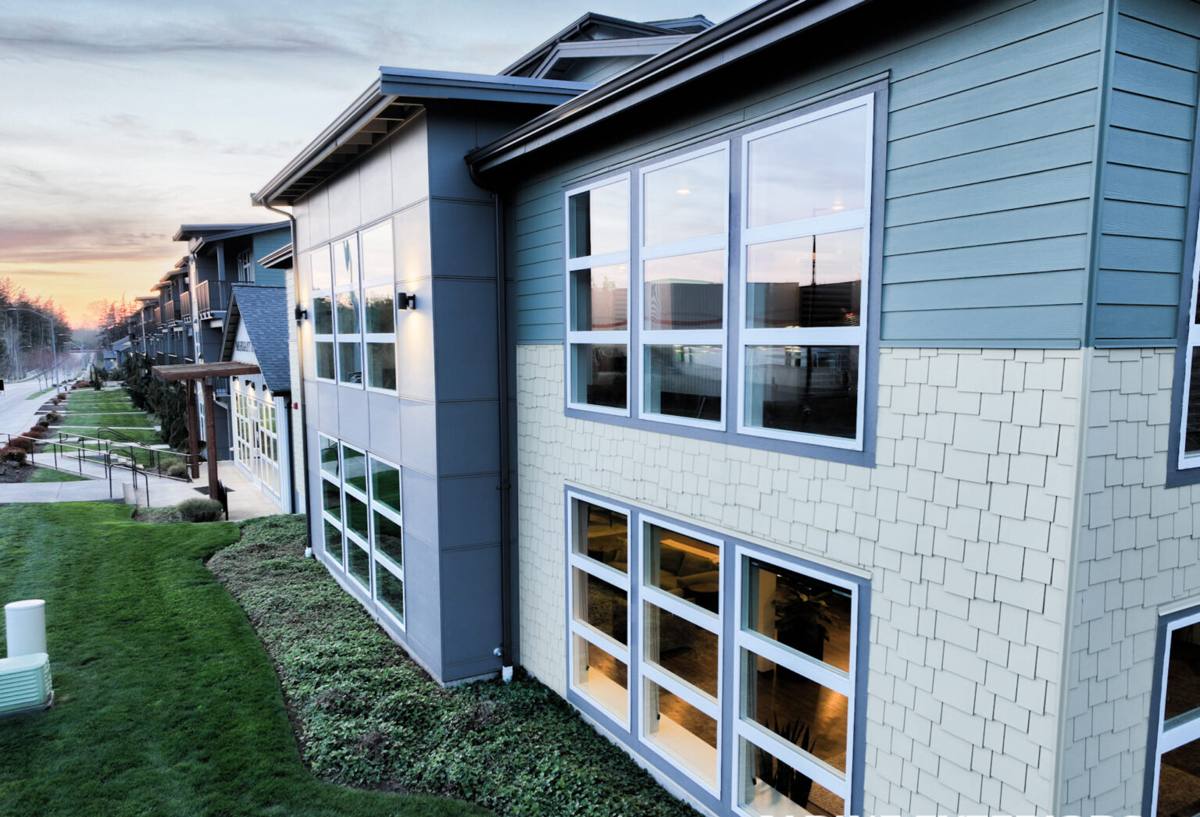
What "Energy-Efficient" Actually Means Here
Energy efficiency in a Florida window isn't about keeping heat in during winter the way it is up north — it's almost entirely about keeping heat and UV out and controlling humidity infiltration. That changes what actually matters in the glass and frame.
Glass Package
Low-E (low-emissivity) coatings reflect solar heat before it transfers through the glass, which is the single biggest factor in a Florida home's cooling load. Most modern replacement windows pair a Low-E coated pane with an insulated dual-pane assembly and an inert gas fill (typically argon) between the panes, which slows heat transfer further. For west- and south-facing exposures especially, the right Low-E package makes a noticeable difference in how hard the AC has to run in the afternoon.
Frame Material
Frame material affects both energy performance and how the window survives salt air and UV. Vinyl frames with reinforced chambers are a common, cost-effective choice and resist corrosion completely, but quality varies a lot between manufacturers — cheap vinyl chalks, warps, and yellows under Florida sun within a few years. Aluminum is strong and often used where a narrower profile is wanted, but it conducts heat readily unless thermally broken, and it's more exposed to salt-air corrosion at fasteners and tracks. Fiberglass costs more up front but resists both UV degradation and corrosion better than either alternative, and it expands and contracts with temperature at nearly the same rate as glass, which keeps seals tighter over time.
Installation Detail
The best glass and frame in the world still fail early if the installation isn't right. Proper flashing, sealant compatible with the substrate, correct shimming so the frame isn't racked, and mechanical fastening rated for the wind pressures on that wall are what actually determine whether a window performs for 20+ years or starts leaking air and water within a few seasons.
Signs a Belleair Bluffs Home Needs New Windows
Homeowners often live with underperforming windows for years because the problems show up gradually. Common warning signs worth acting on:
- Rooms near windows feel noticeably hotter than the rest of the house in the afternoon
- Condensation or fogging between panes on dual-pane windows (a failed seal)
- Frames that feel warm to the touch on the interior side during a sunny afternoon
- Visible chalking, pitting, or discoloration on aluminum or vinyl frames
- Windows that are difficult to open, close, or lock — often a sign of frame warping
- Water staining or soft drywall below or beside window openings after heavy rain
- A jump in cooling costs that isn't explained by rate changes or usage habits
- Outside noise — traffic, neighbors, storms — carrying through more than it should
Any one of these alone might not mean full replacement is urgent, but a few together usually mean the windows are past their useful service life for this climate.
Frame Material Comparison for Coastal Pinellas County
| Frame Type | Salt-Air Resistance | UV/Heat Performance | Relative Cost |
|---|---|---|---|
| Vinyl (quality, reinforced) | Excellent — won't corrode | Good with UV-stabilized formulation | Lower to mid |
| Aluminum (thermally broken) | Fair — needs hardware/fastener attention over time | Fair to good depending on break quality | Mid |
| Fiberglass | Excellent | Excellent — very stable under sun exposure | Higher |
There isn't a single "correct" frame material for every home — a west-facing wall exposed to full sun, an east-facing wall closer to the water, and a shaded rear elevation can reasonably call for different products even on the same house. Part of a proper assessment is looking at each elevation, not just quoting one window style for the whole home.
What a Correct Installation Involves
Replacing a window is more than pulling the old unit and setting a new one in the same hole. Done right, the process addresses the opening itself, not just the product going into it.
Before the New Window Goes In
The old window is removed carefully to expose the rough opening, which then gets inspected for rot, water damage, or deteriorated framing — common in older homes near the coast where humidity works into wall cavities over years. Any damaged substrate gets repaired before anything new is installed; sealing a new window against a compromised opening just hides the problem instead of fixing it.
Setting and Sealing
The new window is shimmed level and plumb, mechanically fastened per the manufacturer's and code-required schedule, then flashed and sealed with materials compatible with both the window frame and the wall substrate. Sealant choice and application matter — the wrong sealant, or sealant applied over a dirty or wet surface, is one of the most common causes of early water intrusion.
After Installation
Interior and exterior trim is finished, hardware is tested for smooth operation, and the opening is checked for air and water tightness before the job is considered complete. On coastal homes we also make a point of checking that fasteners and hardware are corrosion-rated, not standard-grade steel that will rust prematurely in salt air.
Permits, Wind Requirements, and Local Code
Window replacement in Pinellas County requires a permit, and products installed near the coast generally need to carry Florida Product Approval or Miami-Dade NOA ratings appropriate to the wind pressures and wind-borne debris requirements for the specific site. Requirements can vary by exact location, elevation, and how exposed a wall is, which is why we pull the actual permit requirements for the property rather than assuming one standard package fits every house in the area. This isn't a step to shortcut — it protects the homeowner's insurance standing and resale disclosures as much as it protects the house itself.
Homeowners sometimes ask whether they can skip impact-rated glass and rely on shutters or panels instead. That's a legitimate, code-compliant approach in many cases — the tradeoff is that shutters require someone to deploy them before a storm, while impact glass is protective all the time and also cuts down significantly on outside noise and UV year-round. We'll walk through both options honestly rather than pushing the higher-cost product by default.
Why a Crew That Already Works Belleair Bluffs Matters
Window performance in this part of Florida depends on details that are easy to get wrong from a generic playbook: which elevations of a home take the worst sun and wind-driven rain, what wind pressure and product-approval requirements apply to a given permit jurisdiction, and how older coastal-area homes tend to have their rough openings framed. A crew that regularly works in and around Belleair Bluffs and the surrounding Pinellas County coastal communities has already seen the common framing quirks, the typical permit turnaround, and the failure patterns that show up in this specific environment — that experience shows up in fewer callbacks and fewer surprises mid-project.
It also means someone local is available for warranty service and follow-up, not a crew that installed once and moved on to the next region.
Maintenance That Protects the Investment
Even the best window benefits from basic upkeep in a salt-air environment:
- Rinse frames and tracks periodically to clear salt residue, especially on homes closer to the water
- Keep weep holes clear so water drains out instead of pooling in the frame
- Inspect exterior sealant yearly and have any cracked or separated caulk redone before it fails fully
- Lubricate hardware (locks, cranks, rollers) per manufacturer guidance to prevent salt-related sticking
- Have screens and weatherstripping checked after major storms
Cost Factors to Expect
| Factor | Why It Affects Cost |
|---|---|
| Impact-rated vs. standard glass | Impact glass costs more but removes the need for separate storm protection |
| Frame material | Fiberglass and premium vinyl run higher than economy vinyl or standard aluminum |
| Number and size of openings | Larger openings and full-house replacements have per-unit efficiencies but higher total cost |
| Opening condition | Rot or framing repair discovered during removal adds labor and material |
| Permit and inspection requirements | Product approval documentation and permit fees are part of a compliant job |
Every home is different, and the only way to give an accurate number is to look at the actual openings, elevations, and product options for that specific house.
If your Belleair Bluffs home has aging, drafty, or storm-worn windows, we're happy to take a look and put together a straightforward, no-pressure estimate — just fill out the form below.