 Clearwater Window
 Downtown Clearwater's Exterior Puts Real Stress on Siding
Homes in and around Downtown Clearwater sit close to Old Tampa Bay and the Gulf, which means the exterior of every house here is working harder than siding in an inland Florida neighborhood. Salt-laden air moves in off the water and settles on exterior walls, accelerating corrosion of fasteners and trim and breaking down lesser materials faster than manufacturers' glossy brochures ever admit. Add in Pinellas County's intense, near year-round UV exposure, which fades and embrittles anything not engineered to hold color and flexibility outdoors, and you have a climate that quietly tests every seam, joint, and coating on a home's exterior.
Then there's wind. Downtown Clearwater falls within a high-velocity hurricane wind zone, and even outside of a named storm, this area sees frequent wind-driven rain that pushes moisture sideways into laps, corners, and penetrations most siding products were never designed to shed. A siding system that isn't installed correctly for this specific combination of sun, salt, and wind doesn't fail gracefully — it fails at the seams first, usually years before a homeowner expects to think about replacement.
What Downtown Clearwater's Housing Stock Means for a Siding Project
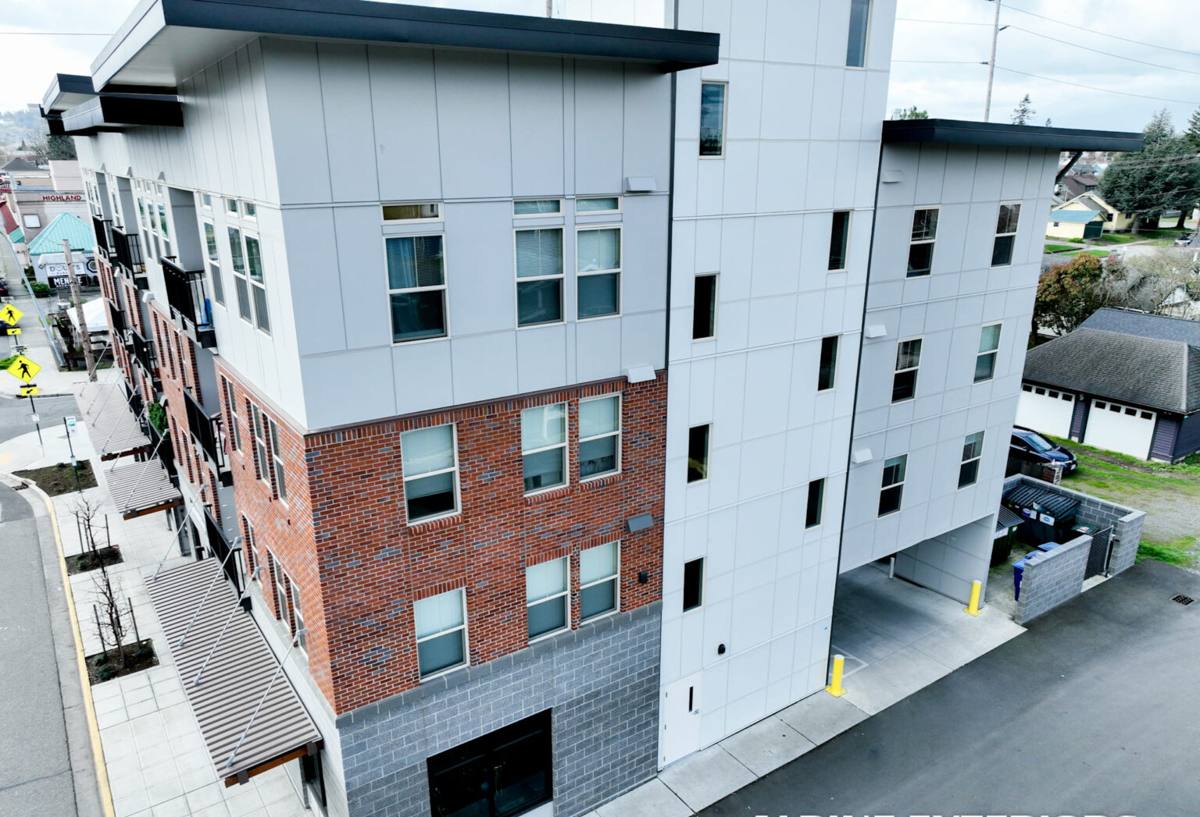
Downtown Clearwater has a genuine mix of home ages and styles — older bungalows and mid-century houses sitting alongside newer infill construction near the walkable core. That mix matters for a siding job in a few practical ways:
- Older homes often carry layers of past repairs, old furring strips, or original wood siding that needs to come off cleanly before new material goes on — not covered over.
- Framing and sheathing on older houses can have hidden moisture damage from decades of storm exposure that only shows up once the old siding is removed.
- Newer construction may already have house wrap and modern flashing details, but not always installed to the standard we require before we'll put Hardie board over it.
- Mixed architectural styles in the same block mean trim profiles, reveal widths, and color choices need to be judged house by house, not applied from a single template.
A contractor who treats every Downtown Clearwater home the same, regardless of its age or condition, is setting up problems that show up two or three years down the road — not on day one, when they're easy to blame on something else.
Signs Your Siding Needs Replacing, Not Patching
Not every siding problem calls for full replacement, but in a coastal wind zone like this one, patch jobs often mask bigger issues rather than solve them. Warning signs worth taking seriously include soft or spongy spots when you press on the siding, visible cracking or buckling after storm season, paint that won't hold no matter how often it's redone, gaps opening up at seams and corners, and any sign of moisture staining on interior walls that back up to exterior siding. Wind-driven rain finds every weakness, and by the time it's visible inside the house, it's usually been working on the wall assembly for a while.
Why We Install Only James Hardie Fiber Cement
We made a deliberate decision as a company to install James Hardie fiber cement siding exclusively. We don't install vinyl, LP SmartSide, Cemplank, Allura, or primed spruce and cedar siding, and we're upfront about why: in a climate like Pinellas County's, the trade-offs on those products — whether it's moisture sensitivity at cut edges, coating systems that weren't engineered for this level of UV and salt exposure, or long-term maintenance demands — aren't ones we're willing to put our name behind.
James Hardie's fiber cement is non-combustible, dimensionally stable in heat and humidity swings, and available in HZ5 products specifically engineered for high-moisture, storm-prone climates like ours. The factory-applied ColorPlus finish is baked on under controlled conditions rather than field-painted, which matters enormously here — field-applied paint is exactly what UV and salt air go to work on first. Hardie also backs its siding with a strong, transferable limited warranty, which only holds real value when the product itself is built for the environment it's going into and installed to the manufacturer's specification.
This isn't a knock on every other product on the market wholesale — it's that we've chosen not to install materials whose real-world performance in a coastal Florida wind zone doesn't match what we're willing to guarantee our work with.
What "Installed to Spec" Actually Means
Hardie's warranty and performance claims assume correct installation — proper clearances, fastener patterns, joint treatment, and flashing details. A beautiful-looking Hardie job with the wrong nailing pattern or missing kick-out flashing is still a job that will fail early. This is where most of the real risk in a siding project actually lives, and it's largely invisible to a homeowner until something goes wrong.
What a Correct Siding Replacement Involves
A siding replacement done right on a Downtown Clearwater home isn't just stripping old material and nailing up new boards. The sequence matters:
- Full tear-off and inspection — removing the existing siding down to the sheathing so framing, sheathing, and existing moisture barrier can actually be evaluated, not guessed at.
- Repair of any hidden damage — rotted sheathing or framing found underneath gets addressed before anything new goes on top of it.
- Weather-resistive barrier and flashing — a correctly lapped moisture barrier, plus flashing at windows, doors, and every roof-to-wall or deck-to-wall intersection, since these are the spots wind-driven rain exploits first.
- Correct fastening for wind zone — nailing patterns and fastener spacing that meet the wind load requirements for this part of Pinellas County, not a generic national default.
- Proper joint and seam treatment — sealed and shingled correctly so water sheds outward at every horizontal and vertical joint.
- Trim, corners, and caulking — finished to manufacturer spec so the ColorPlus finish and warranty coverage stay intact.
- Final inspection and cleanup — checking reveal consistency, fastener setting, and site cleanup before calling the job done.
Our Process for Downtown Clearwater Projects
Every project starts with an on-site assessment of the existing siding, sheathing condition, and any problem areas specific to the house — orientation to prevailing wind and rain, shade versus full sun exposure, and proximity to the water all factor into material and detailing decisions. From there we handle permitting through Pinellas County and the City of Clearwater as required for the scope of work, since siding replacement on homes in this wind zone typically needs to meet current wind load and building code requirements, not whatever standard applied when the house was originally built.
Because we work in this neighborhood regularly, we already know the permitting expectations, the common construction quirks in older Downtown Clearwater homes, and the detailing that holds up against this specific stretch of coastline — that familiarity shortens the guesswork and the timeline compared to a crew seeing this kind of house for the first time.
What Siding Replacement Costs Depend On
| Factor | Why It Moves the Price |
|---|---|
| Home size and wall complexity | More square footage, corners, and roof lines mean more material and labor time |
| Condition of existing sheathing | Hidden rot or moisture damage found during tear-off requires repair before new siding goes on |
| Siding profile and trim detail | Lap width, board-and-batten sections, and trim complexity affect both material and installation time |
| Color and finish choice | Factory ColorPlus finishes versus field-applied paint carry different material costs |
| Access and site conditions | Tight lots, mature landscaping, or limited staging space common in older Downtown Clearwater lots can affect labor time |
| Permitting requirements | Current wind load and code requirements for this zone are non-negotiable and factor into the scope |
We don't quote from a distance — accurate pricing comes from actually seeing the house, which is part of why we start every project with an in-person assessment rather than a phone estimate.
Choosing a Contractor for Downtown Clearwater
Siding is a big-ticket, long-lifespan investment, and the contractor matters as much as the material. Before hiring anyone for a siding replacement in this neighborhood, it's worth confirming a few things:
- They're licensed and insured to do exterior work in Florida, and can show proof without being asked twice.
- They can explain, specifically, how they'll handle flashing and moisture barrier details — not just "we'll put new siding up."
- They install to the manufacturer's written specification, since that's what keeps any material warranty valid.
- They have direct experience with homes in this wind zone and this coastal environment, not just siding in general.
- They give you a written scope of work, not a verbal promise, before a deposit changes hands.
- They're willing to walk you through why they recommend one material over another, rather than just pushing whatever's cheapest to install.
Get a Straight Answer on Your Siding
If your Downtown Clearwater home's siding is showing its age — or you just want an honest opinion on whether it needs replacement now or can hold a few more years — we're glad to take a look. The estimate is free, there's no pressure attached to it, and you'll get a straight answer about what your home actually needs, not a sales pitch. Use the form below to get started.