 Clearwater Window
 Why Decks in Oldsmar Wear Out Faster Than People Expect
Oldsmar sits right on Tampa Bay in Pinellas County, and that waterfront position is a big part of why decks here age differently than decks inland. The same salt-tinged air that makes evenings on the deck enjoyable is also working against the wood and metal underneath your feet, day and night, year-round.
Three things do most of the damage. First, UV exposure — Florida's sun is intense almost every month of the year, and it breaks down wood fibers, dries out finishes, and fades or chalks composite decking over time. Second, wind-driven rain from our regular thunderstorms and the occasional tropical system pushes moisture into joints, fastener holes, and end grain that a straight-down rain would never reach. Third, humidity and salt air accelerate corrosion in fasteners, joist hangers, and any hardware that isn't rated for coastal use. Put those three together and you get decks that can look fine from a distance while the structure underneath is quietly failing.
A deck built or maintained without this climate in mind — using interior-grade hardware, skipping flashing, or relying on cheap fasteners — will show problems years before it should. That's the gap we're hired to close: building or replacing a deck so it's actually matched to what Oldsmar weather does to it.
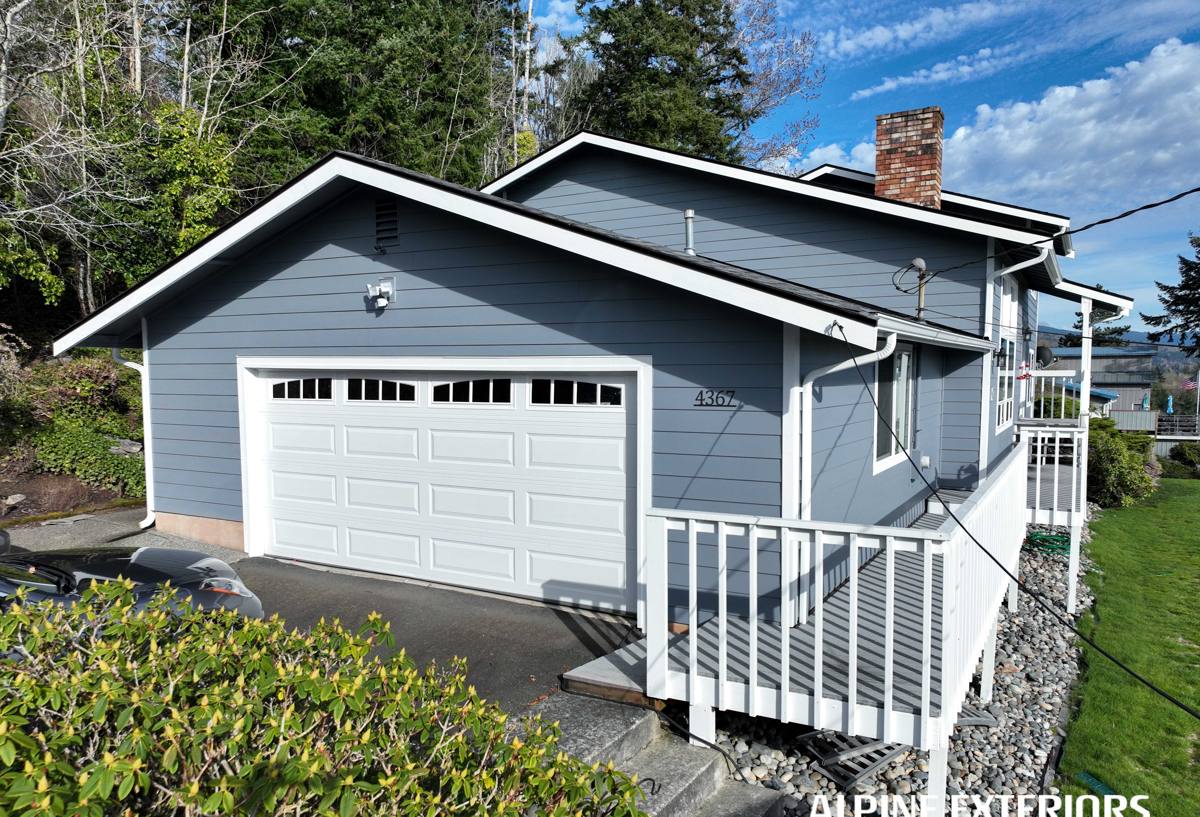
Signs an Oldsmar Deck Needs Replacement, Not Just Repair
Not every tired-looking deck needs to be torn out. But there's a point where patching boards is throwing money at a structure that's already lost its integrity. Here's how we tell the difference on a site visit.
Repair usually makes sense when:
- A handful of boards are cupped, splintering, or soft, but the frame underneath is solid
- Fasteners are surface-rusted but not failing, and the ledger board is still tight to the house
- The deck is relatively new and the damage is isolated to one area, like near a downspout
Replacement is usually the right call when:
- The ledger board — where the deck attaches to the house — shows rot or the flashing behind it has failed
- Joists flex noticeably when walked on, or you can probe soft spots with a screwdriver
- Multiple support posts or footings have shifted, cracked, or show signs of ground movement
- Fastener corrosion is widespread rather than isolated, especially at joist hangers
- The deck predates current code requirements for ledger attachment and guard/railing strength
That last point matters more than most homeowners realize. A deck can look structurally sound and still not meet the load and railing standards that came in after it was built. When we replace a deck, we're not just swapping boards — we're bringing the whole structure up to current code.
Choosing Decking Material for a Tampa Bay Climate
There's no single "best" decking material — there's a best material for your budget, your maintenance appetite, and how much direct sun and rain the deck sees. Here's how the common options actually compare once you factor in our climate.
| Material | Upfront Cost | Maintenance | How It Handles Sun, Salt Air & Rain |
|---|---|---|---|
| Pressure-treated wood | Lowest | Annual cleaning, resealing every 1-2 years | Needs consistent upkeep or it grays, cracks, and can rot at fastener points and ground contact |
| Composite decking (uncapped) | Mid-range | Periodic cleaning, no sealing | Resists rot well, but older/uncapped formulations can absorb moisture at the surface over time |
| Capped composite / PVC decking | Higher | Occasional washing | Best resistance to UV fading, moisture, and salt air; shell layer blocks most surface absorption |
| Tropical hardwoods | Highest | Regular oiling to maintain color | Naturally dense and rot-resistant, but requires the most ongoing attention to look its best |
We'll always give you an honest read on trade-offs rather than pushing whatever has the best margin. If a homeowner wants real wood for the look and is willing to reseal it on schedule, we'll build it right. If low maintenance matters more, capped composite is usually the better fit for a deck that takes direct Gulf-side sun most of the day. What we won't do is install lower-grade fasteners or hardware to hit a price point — that's where premature failures actually come from, not the decking material itself.
Fasteners and Hardware Matter as Much as the Boards
A composite deck built with interior-grade screws and standard joist hangers will fail at the hardware long before the boards show wear. For any replacement, we use stainless or coated fasteners and hangers rated for exterior, high-moisture use — it costs more upfront and it's the difference between a deck that lasts and one that needs hardware repairs in five years.
What a Correct Deck Replacement Actually Involves
Deck replacement is more than pulling old boards and screwing down new ones. Done right, it starts below what you can see.
Structure first
We evaluate and, where needed, replace footings, posts, beams, and joists — not just the decking surface. Footings need to be sized and set to current code for our soil conditions, and framing needs to be spaced correctly for whatever material is going on top, since composite and wood often have different span requirements.
The ledger and flashing
The ledger board attachment is the single most common failure point on any deck, and it's also the connection most exposed to wind-driven rain running down the side of the house. Correct flashing at this joint keeps water out of the house structure itself, not just off the deck.
Railings and guards
Railing height, baluster spacing, and connection strength all have code minimums. On an older deck being replaced, this is usually the area furthest out of compliance, and it's also the safety feature you don't want cutting corners on.
Fastening and finishing
Hidden fastener systems, corrosion-resistant screws, and correct board spacing for drainage and expansion all affect how the deck ages. Composite and PVC boards expand and contract with heat, so gapping has to be set correctly for our summer temperatures, not guessed at.
Permits and Code in Pinellas County
Deck replacement in Oldsmar and the surrounding Pinellas County area typically requires a permit, particularly when it involves structural work like footings, framing, or ledger attachment — which most true replacements do. Permitted work gets inspected, which is a good thing: it's a second set of eyes confirming the structure meets current wind and load requirements for our area.
We handle the permitting process as part of the job rather than leaving it to the homeowner, and we build to pass inspection the first time. If your property is part of an HOA, there may be additional design or material approval steps on top of the county permit — worth checking before work starts, and we're happy to help you figure out what applies.
How Our Process Works
- Site visit and assessment — we inspect the existing deck's framing, ledger, footings, and hardware to determine what's actually failing versus what's cosmetic.
- Honest scope and estimate — you get a clear breakdown of what needs replacing, material options with real trade-offs, and a written estimate with no pressure to decide on the spot.
- Permitting — we pull the necessary permits and handle the paperwork so the project is built to code from the ground up.
- Demolition and structural rebuild — old decking, and any compromised framing, footings, or ledger connections, come out and get replaced correctly.
- Decking, railing, and finish work — boards, railings, and hardware go in to spec, with attention to fastening, spacing, and drainage.
- Final walkthrough and inspection — we review the completed deck with you and make sure it passes any required county inspection.
Keeping a New Deck Sound in This Climate
Whatever material you choose, a few habits go a long way toward getting the full lifespan out of a Tampa Bay deck.
- Rinse off salt residue, pollen, and debris every few weeks, especially after storms
- Keep gutters and downspouts clear so runoff isn't dumping extra water onto or near the deck
- Check railing connections and fasteners once or twice a year for early signs of corrosion
- Reseal wood decking on the schedule your product calls for — don't wait until it looks gray
- Trim back landscaping that's shading boards and keeping them damp longer than they should be
- Address any soft spots, popped fasteners, or loose railings promptly rather than waiting
Why Hiring a Crew That Already Works in Oldsmar Matters
Deck replacement done by a crew unfamiliar with this specific stretch of Tampa Bay often misses the details that matter most here — under-specced hardware, missed flashing details, or decking gapped for a cooler, drier climate. We work throughout Clearwater and the surrounding Pinellas County communities, including Oldsmar, so the sun exposure, humidity, and storm patterns your deck deals with aren't a guess to us — they're what we plan for on every job.
Being local also means we're a known, reachable business if a question comes up after the job is done, not a crew that worked here once and moved on.
If your deck is showing its age or you're ready to plan a replacement built for Oldsmar's climate, we're glad to take a look. Reach out for a free, no-pressure estimate — use the form below to get started.