 Clearwater Window
 Building a Deck That Belongs on This Coastline
Belleair Bluffs sits on one of the higher points along the Pinellas County coastline, with many homes looking out over Boca Ciega Bay and the Intracoastal Waterway. That elevation and water proximity make outdoor living a real asset here — but it also means a deck in this neighborhood is exposed to a tougher mix of conditions than a deck built a few miles inland. Salt-laden air moves off the bay, sun exposure is intense almost year-round, and any structure attached to the house has to be engineered to survive hurricane-force wind loads, not just look good on a calm afternoon.
A deck built without those realities in mind doesn't fail immediately. It fails slowly — a loose railing post here, a rusted fastener there, boards that cup or split after a few humid summers. We build decks in Clearwater and the surrounding Pinellas County communities, including Belleair Bluffs, with that long timeline in mind from the first design conversation.
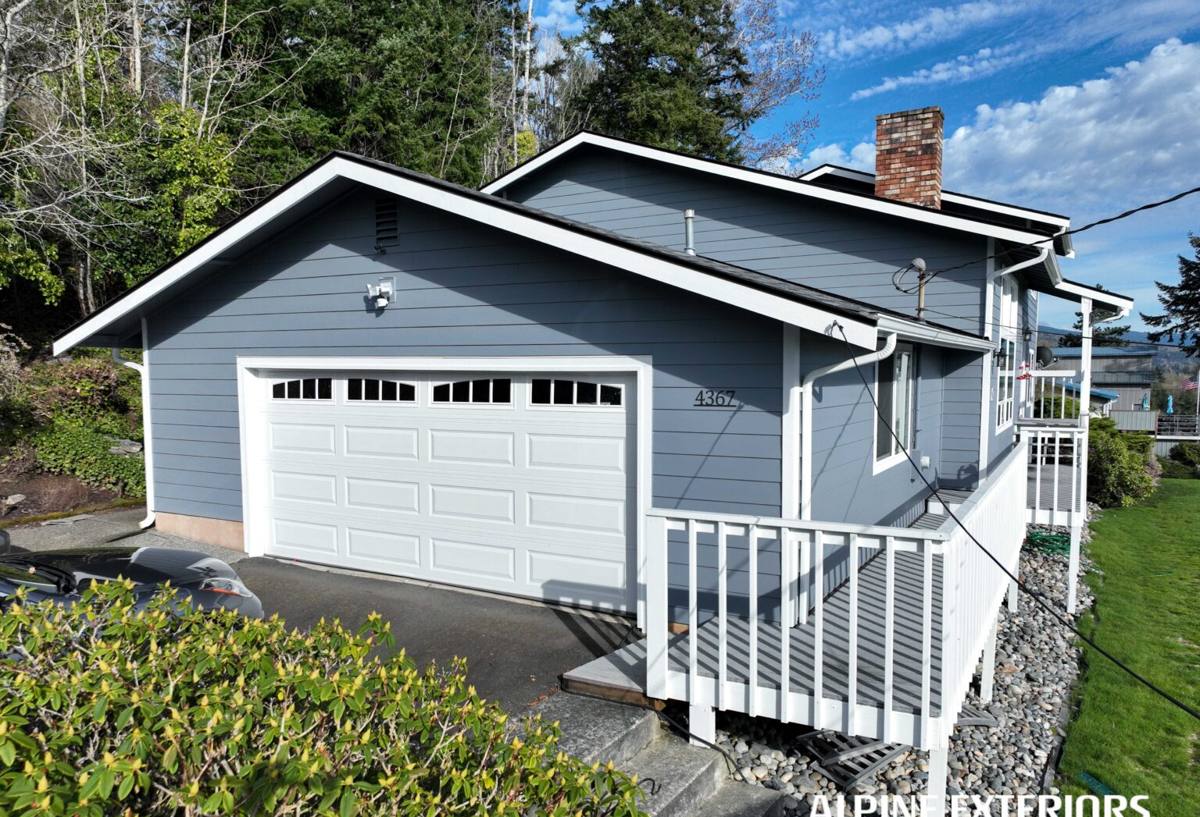
What Coastal Conditions Actually Do to a Deck
Salt Air and Corrosion
Even a few miles from open saltwater, airborne salt accelerates corrosion on any exposed metal. Standard galvanized fasteners and connectors can start rusting within a year or two in a bay-adjacent setting like Belleair Bluffs. Once a fastener corrodes, it loses holding strength long before the rust is visible from the surface — which is exactly the kind of hidden failure that matters most in a structure meant to hold people up.
UV and Heat
Florida sun breaks down wood fibers, fades finishes, and dries out sealants faster than almost anywhere else in the country. Untreated or poorly finished wood decking can gray, crack, and splinter within a single season of full sun exposure.
Wind-Driven Rain and Humidity
Afternoon storms don't just fall straight down here — wind pushes rain sideways and up under railings, ledger boards, and stair stringers. Combined with year-round humidity, that moisture finds any gap in flashing or sealant and works it into rot, mold, or fastener corrosion over time.
Wind Load
Pinellas County sits in a high-wind design zone. A deck's structural connections — especially where it ties into the house — need to be engineered to resist uplift and lateral loads, not just support the weight of furniture and people standing on it.
Choosing a Decking Material for Belleair Bluffs Conditions
There's no single "best" decking material — there's a best material for your budget, your sun exposure, and how much upkeep you're willing to do. Here's how the common options actually compare in this climate.
| Material | Sun/Heat Behavior | Moisture Behavior | Maintenance |
|---|---|---|---|
| Pressure-treated wood | Fades and can check/split under intense UV without regular sealing | Absorbs water; needs sealant maintained to resist rot | Annual cleaning and resealing |
| Composite decking | Stays more stable in heat; some lighter colors handle UV better than dark tones | Resists rot and swelling; won't absorb water like wood | Periodic washing, no sealing or staining |
| PVC/capped decking | Very stable under UV; least prone to fading of the common options | Fully moisture resistant, good near the water | Lowest ongoing maintenance, higher upfront cost |
| Tropical hardwoods | Naturally dense and UV-tolerant, but can still gray without oiling | Naturally rot-resistant when properly finished | Periodic oiling to maintain color and protection |
Homes closer to the bay with more direct salt exposure tend to do best with composite or capped PVC decking, simply because there's less material to maintain against the elements. Wood is still a reasonable choice for homeowners who want that traditional look and are willing to keep up with sealing on a regular schedule.
Framing and Hardware That Won't Quietly Fail
The decking surface is what you see, but the framing underneath is what actually keeps a deck safe — and it's the part that suffers most from salt air and moisture if the wrong materials are used. We build the structural side of a coastal deck around a few non-negotiables:
- Stainless steel or coated fasteners rated for coastal/salt-air exposure, not standard galvanized hardware
- Corrosion-resistant joist hangers and structural connectors matched to the fastener spec
- Proper ledger board flashing where the deck attaches to the house, to stop wind-driven rain from reaching the rim joist
- Footings set to the depth and bearing required for local soil and wind conditions, not a shortcut minimum
- Joist spacing and beam sizing engineered for the actual decking material chosen, since composite and wood have different span ratings
None of this is visible once the deck is finished, which is exactly why it's worth asking a contractor directly what fastener and connector spec they use before work begins.
Permits, Codes, and Site Conditions in Pinellas County
Deck construction in Belleair Bluffs falls under Pinellas County and applicable local building code requirements, and most attached decks need a permit before work starts. Depending on the property's location and elevation, flood zone requirements can also affect footing depth, structural attachment, or how close a deck can sit to grade. We pull the required permits and coordinate inspections as part of the build — it's not an optional add-on, and skipping it can create real problems later if you ever sell the home or need insurance documentation on the structure.
Older homes in this area sometimes have additions or previous deck work that wasn't permitted correctly. Part of our estimate process includes a look at the existing structure and site conditions so there are no surprises once a permit application is submitted.
Railings, Stairs, and the Details Code Actually Requires
Railing height, baluster spacing, and stair rise-and-run are all governed by code, and they're also where a lot of DIY or budget deck work cuts corners. On an elevated or bayfront lot, guardrails matter even more — a deck that overlooks a slope or drop-off needs railing that meets code and is anchored into framing that can actually hold up under load, not just screwed into the decking surface. Stair stringers on coastal decks are also a common weak point if they aren't flashed and fastened with the same corrosion-resistant hardware used in the rest of the frame.
How We Approach a Belleair Bluffs Deck Project
1. On-Site Assessment
We look at your home's exposure — how close you are to the water, how much direct sun the deck area gets, and what the existing structure or grade looks like — before recommending materials.
2. Honest Material Guidance
We'll walk through the real tradeoffs between wood, composite, and PVC decking for your specific site and budget, without steering you toward whatever has the highest margin.
3. Permitting and Engineering
We handle the permit application and make sure framing, footings, and attachment details meet Pinellas County code and current wind load requirements.
4. Build and Inspection
Construction follows the approved plans, with required inspections scheduled at the appropriate stages rather than after the fact.
5. Walkthrough
Before we call the job done, we walk the finished deck with you — railings, stairs, fastener finish, and overall fit and finish.
Protecting Your Deck After It's Built
Even a well-built deck needs some ongoing attention in this climate. A simple seasonal routine goes a long way:
- Rinse salt residue and debris off the deck surface and railings every few weeks, more often if you're close to the water
- Check fasteners and connectors once a year for early rust staining or looseness
- Reseal wood decking on the manufacturer's recommended schedule, typically every one to two years in this climate
- Keep gutters and downspouts clear so runoff isn't dumping extra water onto or under the deck
- Inspect ledger board flashing and any caulked joints annually for gaps or cracking
Why It Matters to Hire a Crew That Already Works This Area
A contractor who mostly builds decks inland may not think twice about fastener grade or ledger flashing, because those shortcuts don't show up as fast in a low-humidity, low-salt environment. In Belleair Bluffs, they show up within a couple of seasons. Working regularly in this part of Pinellas County means we already know what wind exposure, salt air, and local permitting expect from a deck here — and we build to that standard from the start rather than learning it through a callback.
If you're considering a new deck or replacing one that's past its prime, we're happy to walk your property, talk through material options honestly, and put together a straightforward estimate — no pressure, no obligation. The form below is the easiest way to get started.