 Clearwater Window
 New Construction Is a Different Job Than Replacement
Replacing a window in an existing wall and setting a window during new construction or an addition are not the same trade, even though both end with glass in an opening. On a replacement, we work around a finished wall — stucco, drywall, and trim are already in place, and the goal is to get a new unit into that old opening without tearing the house apart. On new construction, the opening is raw framing. We're setting the window before the house wrap, flashing, and exterior finish go on, which means the window itself becomes part of the home's water-management system, not just something installed inside it. Get that sequencing wrong and the mistake gets sealed behind stucco or siding for years before it shows up as a stain on drywall.
For homeowners building new in Coachman Ridge, or adding a room, converting a lanai, or doing a major rebuild on an older Clearwater lot, this is the phase where the window package earns its keep or becomes a long-term liability. It's worth doing carefully the first time.
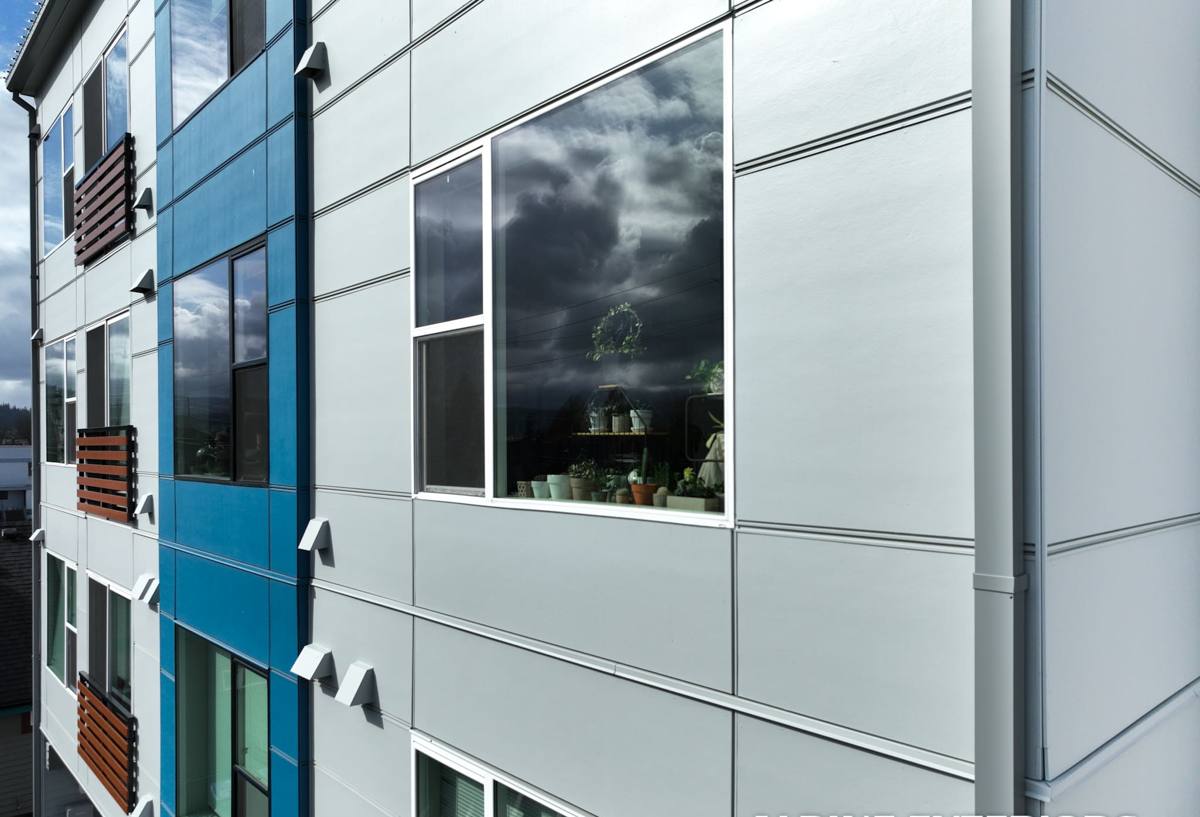
What Coachman Ridge Homes Are Up Against
Coachman Ridge sits inland of the beach but still well within Pinellas County's coastal climate — the same sun, salt, and storm exposure that shapes construction standards across the Clearwater area. A handful of conditions matter specifically for new-construction window work here:
- Wind pressure: Even away from the immediate coastline, Pinellas County design wind speeds are high enough that every new window opening has to meet a calculated pressure rating, not just "hurricane glass" in general terms.
- Wind-borne debris protection: New construction in this wind-borne debris region requires either impact-rated glazing or approved shutter protection at every opening — this is decided at the design and permitting stage, not added later.
- UV load: Florida's sun is intense and nearly year-round. Frame materials, seals, and low-E coatings all age faster here than they would in a milder climate, so the products going into a new opening need to be rated for it, not just priced right.
- Wind-driven rain: Afternoon storms don't fall straight down here — they come in sideways. New-construction flashing has to shed water that's being pushed horizontally into the wall assembly, not just vertically down it.
- Humidity and salt air: Hardware, fasteners, and frame reinforcement need corrosion resistance appropriate to a humid, salt-influenced environment even at Coachman Ridge's distance from the water.
None of this is unique to any one house — it's the baseline every new window opening in this part of Clearwater has to satisfy. What changes from job to job is how carefully that baseline gets executed.
Florida Building Code and Wind-Load Requirements
Non-HVHZ, still high-wind
Pinellas County is outside the High-Velocity Hurricane Zone (that designation applies to Miami-Dade and Broward). That distinction matters because it changes some testing and installation standards, but it does not mean Clearwater windows get an easy pass. New-construction windows here still have to carry a Florida Product Approval or equivalent documentation showing they meet the wind pressure and impact requirements calculated for the specific site — based on wind speed, exposure category, building height, and where the opening sits on the wall.
Design pressure isn't one-size-fits-all
A window rated for one corner of a house may not be rated for another. Corner windows and upper-level openings typically see higher wind pressures than a sheltered opening on a lower wall. On a proper new-construction job, each opening gets matched to a product rated for its actual calculated pressure, confirmed against the plans the permit was issued under — not just "the same window everywhere because it's simpler."
Permitting and inspection
New-construction and addition window work in this area goes through permitting and inspection with the applicable local building department. That means product approval numbers, installation instructions, and flashing details all have to be documented and available for the inspector — and the rough opening has to be inspected before it gets closed in. Skipping or rushing that step is one of the most common ways new-construction window problems get discovered years later, when there's no easy way to fix them without opening the wall back up.
Getting the Install Right: Flashing, Fin Type, and Rough Openings
The window unit itself is only part of the job. How it's integrated into the wall assembly is what actually keeps water out over the next twenty or thirty years.
Nailing fin vs. block frame
New-construction windows are typically installed with either a nailing fin (fastened directly to the framing before house wrap goes on) or set into a masonry block opening with a different flashing method. Which one is correct depends on the wall type — wood frame vs. concrete block/stucco, which is common throughout Clearwater. Using the wrong installation method for the wall type is a common source of long-term leaks.
Flashing sequence
Flashing has to be layered correctly — sill pan first, then the window, then jamb flashing, then head flashing — each piece overlapping the one below it so water sheds down and out, never behind the layer beneath it. This "shingle-style" sequencing is standard practice, but it only works if every layer is installed in the right order and none of it gets skipped to save time.
Sealant is a backup, not the plan
Caulk and sealant matter, but they're the last line of defense, not the water-management system itself. A window opening that relies on sealant alone to stay dry — instead of proper flashing and pan integration — is a callback waiting to happen once the sealant ages in Florida's UV and heat.
Choosing Frame Material and Glass for This Climate
New construction is the one time a homeowner gets to choose window specs from scratch, rather than working around whatever was already there. That decision is worth taking seriously.
| Frame Material | Strengths in This Climate | Trade-offs |
|---|---|---|
| Vinyl | No corrosion risk, good thermal performance, lower cost | Can expand/contract more with heat; quality varies widely by manufacturer |
| Aluminum | Strong, narrow sightlines, common in Florida new construction, holds up structurally under wind load | Conducts heat unless thermally broken; needs a good finish to resist salt-air corrosion |
| Fiberglass | Very stable in heat, low expansion, long-term durability | Higher upfront cost |
Glass selection matters as much as frame material. For new construction near Clearwater, we generally recommend:
- Impact-rated laminated glass where the design calls for it, so the window itself provides debris protection without relying on shutters.
- Low-E coatings to cut down on solar heat gain — a real factor in year-round Florida sun and cooling costs.
- Tinted or reflective options on west- and south-facing openings that take the heaviest UV exposure through the day.
Our New-Construction Process
New-construction window work has to move in step with the builder's schedule, not on its own timeline. Our process is built around that:
- Plan review and take-off: We review the architectural plans, confirm wind pressure requirements for each opening, and spec products that match — not a generic package applied across the board.
- Rough opening verification: Before any window goes in, we check that framed openings match the approved sizes and are square, level, and properly prepared.
- Flashing and installation: Sill pans, window setting, and jamb/head flashing go in per the manufacturer's approved installation instructions — the same documentation the inspector will be checking against.
- Inspection coordination: We're available for the rough-in inspection before house wrap and exterior finish close the opening in.
- Final walkthrough: Once the exterior finish is complete, we confirm operation, seals, and trim on every unit before calling the job done.
Why a Crew That Already Works Coachman Ridge Matters
Coachman Ridge is an established Clearwater neighborhood with a mix of home ages and styles, which means new-construction and addition work here runs into a range of existing wall types, roof lines, and lot conditions — not a single cookie-cutter house plan repeated block after block. A crew that's already done window work in this area has a practical sense of what tends to come up: how older concrete block construction ties into new framing on an addition, how setbacks and lot layout affect access for larger openings, and what the local permitting office expects to see on submitted product documentation.
That familiarity doesn't replace doing the engineering correctly on every job — it just means fewer surprises, fewer delays waiting on rejected permit submissions, and a crew that isn't learning Pinellas County's process for the first time on your house.
Cost Factors for New-Construction Window Packages
New-construction window costs vary a lot based on decisions made early in the design process. Rather than quote a number that won't match your specific plans, here's what actually moves the price:
| Factor | Why It Matters |
|---|---|
| Number and size of openings | More glass and larger units mean more material and more structural reinforcement |
| Wind pressure rating required | Higher-rated units (corner windows, upper stories) cost more than standard-rated units |
| Impact glass vs. shutter protection | Impact glass raises per-unit cost but removes the need for separate shutter systems |
| Frame material | Vinyl, aluminum, and fiberglass carry different base costs and long-term maintenance profiles |
| Custom shapes or sizes | Non-standard openings (arched, oversized, specialty shapes) add fabrication cost |
Broadly, new-construction window packages run from moderate for a straightforward, code-minimum spec up to significantly more for larger openings, higher wind ratings, or premium frame materials. An accurate number only comes from reviewing your actual plans.
Maintenance and What to Expect After Move-In
Properly installed new-construction windows are low-maintenance, but "low" isn't "none." A short list of what keeps them performing for the long haul:
- Rinse frames and tracks periodically to clear salt residue, especially on homes closer to the water.
- Check weep holes (the small drainage openings at the bottom of the frame) to make sure they aren't blocked by dirt, paint, or landscaping debris.
- Inspect exterior sealant lines annually — sealant is a wear item that eventually needs touch-up, even on a correctly flashed opening.
- Operate hardware (locks, cranks, rollers) a few times a year so it doesn't seize up from disuse.
- Watch for condensation between panes on insulated glass units, which can signal a failed seal.
- Keep an eye on caulking around trim after the first full year, once the house has gone through a complete seasonal cycle of expansion and contraction.
If you're building new, adding on, or replacing a lanai enclosure in Coachman Ridge, we're happy to walk your plans and give you a straightforward, no-pressure estimate — no invented urgency, just an honest look at what the job needs. Use the form below to get started.