 Clearwater Window
 Composite Decking Built for Coachman Ridge's Climate
Coachman Ridge is an established residential neighborhood in Clearwater, and like most of Pinellas County, it sits squarely in a climate that is hard on outdoor living spaces. Between the intense year-round UV exposure, the humidity and wind-driven rain of a typical Gulf Coast summer, and the wind loads that come with hurricane season, a deck here has to survive conditions that most manufacturers' warranty language was not written with Florida in mind. Composite decking, installed correctly, holds up to this environment far better than dimensional lumber. Installed incorrectly, it fails in many of the same ways wood does — just more slowly, and often more expensively to fix.
This page covers what a composite deck actually needs to hold up in Coachman Ridge specifically: the substructure, the fasteners, the flashing details, and the local permitting steps that get skipped more often than they should.
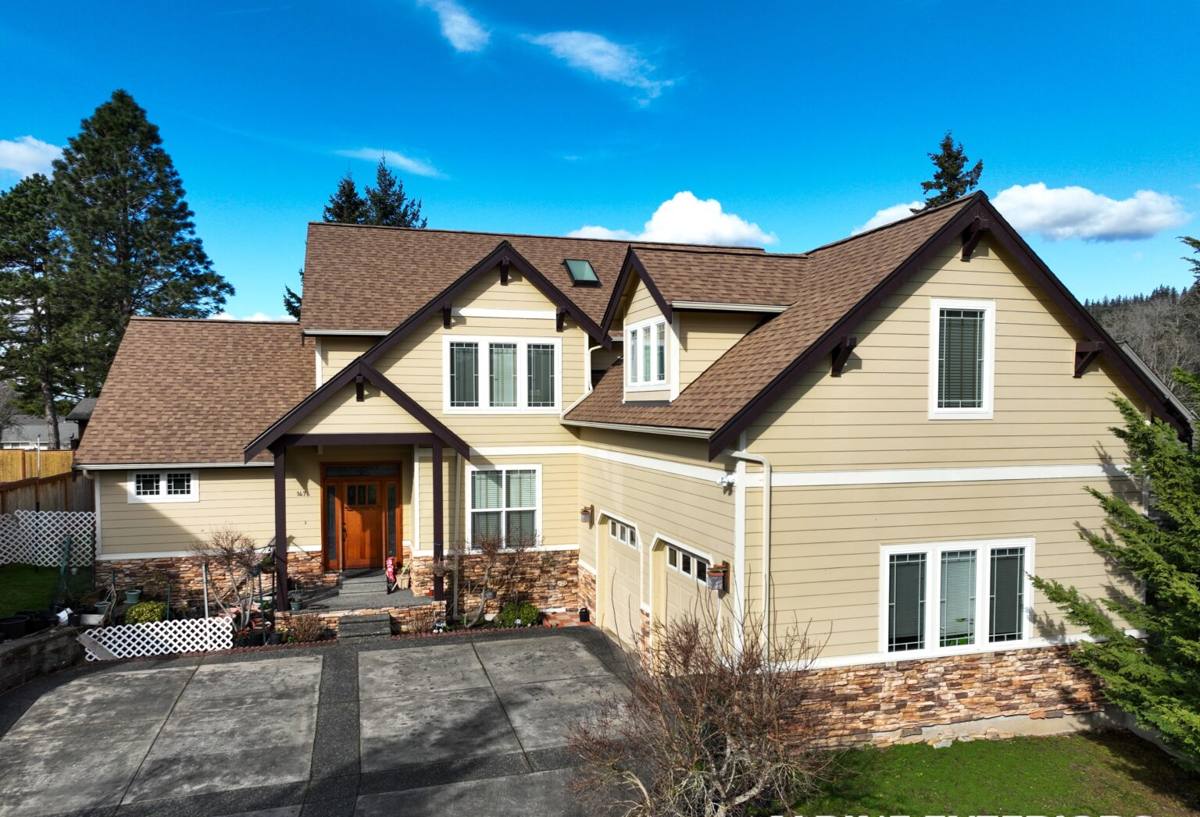
What Clearwater's Weather Actually Does to a Deck Over Time
Sun and Heat
Florida sun is not the same as sun in most of the country. UV intensity here is high nearly year-round, and a deck facing south or west takes a beating. Cheaper composite boards without a real cap layer will fade, chalk, or go brittle at the surface within a few seasons. This is one of the biggest quality differences between composite product lines, and it is not visible on a showroom sample — it shows up three or four summers in.
Wind-Driven Rain and Humidity
Pinellas County gets its share of sideways rain, and humidity sits high for most of the year. Moisture gets driven into joints, fastener holes, and anywhere water can sit against wood framing. Composite boards themselves resist rot, but the framing underneath them usually does not — and a deck is only as good as what's under the boards.
Hurricane Season Wind Loads
Deck attachment to the house, and the way boards and railing are fastened to the frame, matters more here than in a low-wind region. Ledger connections and railing posts need to be built to resist uplift and lateral load, not just support foot traffic. This is a structural question, not a cosmetic one, and it's where a lot of budget installs cut corners that don't show until a storm tests them.
Salt Air
Coachman Ridge sits inland from the immediate coastline, but Pinellas County as a whole gets salt-laden air moving through it regularly. Salt exposure accelerates corrosion in the wrong fasteners and hardware. It's a slower issue than wind or UV, but it's a real one over the life of a deck.
Why Composite Over Wood for This Neighborhood
Wood decking can look great when it's new, but in this climate it demands a maintenance schedule most homeowners don't stick to — annual sealing, regular inspection for soft spots, and replacement of individual boards as they cup or split. Composite decking, with a genuine cap layer, is built to handle sun and moisture without that upkeep. It's a tradeoff worth being honest about: composite costs more upfront and the substructure still has to be built correctly, but it removes most of the recurring maintenance burden that Florida weather creates for a wood deck.
| Factor | Wood Decking | Capped Composite Decking |
|---|---|---|
| UV fading/graying | Fades and grays within 1-2 seasons without sealing | Resists fading with a proper cap layer |
| Moisture/rot risk | High — requires sealing and inspection | Board itself won't rot; framing still needs attention |
| Annual maintenance | Sealing, staining, board replacement | Periodic cleaning only |
| Upfront cost | Lower | Higher |
| Long-term cost | Higher over 10+ years with upkeep factored in | Lower over time, higher at install |
| Splintering/surface wear | Common as boards age | Minimal with quality capped product |
What a Correctly Built Composite Deck Involves
Substructure and Framing
The composite boards are the visible part, but the framing underneath does the structural work. In this climate we favor pressure-treated framing with attention to joist spacing tighter than the bare code minimum in many cases, since composite boards behave differently than wood under heat and load and can require reduced spans depending on the product. Where budget allows, corrosion-resistant or coated joist hardware is worth the upgrade over standard galvanized in a salt-air environment.
Ledger Attachment and Flashing
Where the deck attaches to the house is the single most common failure point on any deck, composite or wood. Proper flashing keeps wind-driven rain from working its way behind the ledger board and into the house structure over time. This detail is invisible once the deck is finished, which is exactly why it's the detail most likely to get rushed on a low-bid job.
Fasteners and Hardware
Every fastener from the ledger bolts to the hidden deck clips should be rated for exterior and, ideally, coastal-adjacent use. Standard interior-grade hardware corrodes faster here than in most of the country, and a fastener failure is a safety issue, not just an appearance one.
Board Installation
Composite boards expand and contract with heat more than people expect in Florida's temperature swings between summer afternoons and winter mornings. Correct gapping at butt joints and along the perimeter prevents buckling and keeps board lines straight over time. Hidden fastener systems, installed to the manufacturer's specified spacing, give a cleaner surface and reduce the water-entry points that screws create.
Permitting in Clearwater and Pinellas County
Most deck construction in Clearwater requires a building permit, and elevated decks typically require an inspection of the framing before boards go down. Pulling the permit correctly protects you if you ever sell the home or file an insurance claim — an unpermitted deck can become a real problem at closing or after a storm. A local crew that already knows the Clearwater permitting process can move this along without it becoming your job to manage.
Our Process for Coachman Ridge Homeowners
- On-site assessment of your space, sun exposure, and existing structure (if replacing a deck)
- Honest discussion of composite product options and where the cost differences actually come from
- Structural plan for framing, ledger attachment, and fastener spec suited to Pinellas County wind and moisture conditions
- Permit application and coordination with the City of Clearwater
- Framing installation with inspection before boards are installed
- Composite board installation with proper gapping and hidden fastening
- Final walkthrough covering care and what to watch for over the deck's life
Cost Factors to Expect
Composite decking pricing varies by product tier, deck size and shape, railing style, and how much of the substructure needs to be built or replaced. Rather than quote a number that doesn't apply to your specific project, here are the variables that actually move the price:
| Factor | Why It Matters |
|---|---|
| Composite product tier | Cap quality and warranty length vary significantly between entry-level and premium lines |
| Deck footprint and shape | Cutouts, curves, and multi-level designs add labor and material waste |
| Substructure condition | Reusing sound existing framing versus building new changes the scope substantially |
| Railing and fastener system | Hidden fasteners and upgraded railing materials add cost but improve the finished result and durability |
| Height and access | Elevated decks need more structural engineering and code compliance than ground-level decks |
Maintenance in a Florida Climate
One of the real advantages of composite is how little it asks of you afterward. A periodic wash to keep mildew and pollen from building up on the surface is generally all that's needed — no sealing, no staining, no sanding. In a humid climate like Pinellas County's, keeping the surface clear of standing organic debris (leaves, pollen buildup) also helps prevent surface mildew, which can develop on any exterior surface here given enough moisture and shade.
Why Local Experience in Coachman Ridge Matters
A deck built to a generic national spec sheet is not the same as a deck built for what Clearwater actually throws at it. A crew that regularly works in this neighborhood and across Pinellas County already knows the local permitting steps, has a track record with the framing and fastening choices that hold up to Gulf Coast humidity and wind, and can speak honestly about which composite products are worth the money in this specific climate versus which ones just look good in a showroom. That local familiarity shows up in fewer surprises during the build and a deck that's still performing well years after installation.
If you're considering a composite deck for your Coachman Ridge home, we're happy to walk the site, talk through your options honestly, and put together a free, no-pressure estimate using the form below.