 Clearwater Window
 Why Clearwater Beach Siding Has to Be Engineered, Not Just Installed
Homes on Clearwater Beach sit in one of the more demanding exterior environments in Pinellas County. The Gulf is close enough that salt-laden air reaches every wall, sun exposure is nearly constant, and the same storms that make the barrier island desirable also load the exterior with wind-driven rain and hurricane-force gusts. Siding here isn't just a finish material — it's the first line of defense between the structure and a coastal climate that doesn't let up. A product and installation approach that works fine ten miles inland can fail early on the beach. That's the gap we focus on closing.
We install James Hardie fiber cement siding exclusively, and on Clearwater Beach specifically, we spec and install it with coastal exposure in mind from the first measurement to the final caulk joint. This page walks through what that actually means — the climate stresses at play, what correct installation looks like out here, and how our process is built around barrier island conditions rather than a generic mainland job.
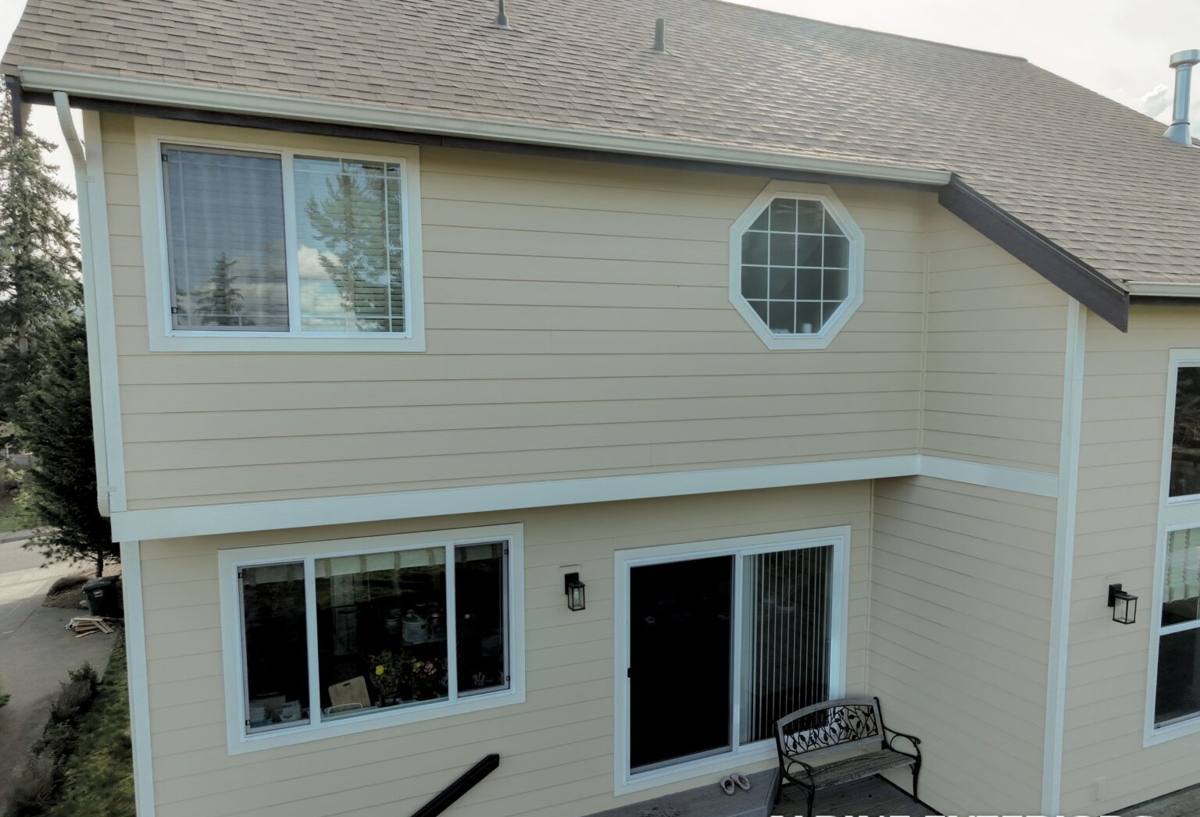
What Salt Air, UV, and Storm Wind Actually Do to a Home's Exterior
Four forces do most of the damage to siding on Clearwater Beach, and they compound each other over time:
- Salt air corrosion: Airborne salt settles on every exterior surface and accelerates corrosion of fasteners, trim metal, and any exposed hardware. Left unaddressed, corroding fasteners loosen siding and create paths for water intrusion.
- Constant UV exposure: Florida's sun is intense year-round, not just in summer. UV breaks down pigments and resins in lower-grade siding and paint, leading to fading, chalking, and surface degradation faster than in most of the country.
- Wind-driven rain: Storms here don't just drop rain — they push it sideways, into laps, joints, and fastener penetrations that would stay dry in a calmer climate. Any weakness in flashing or joint detailing becomes a moisture entry point.
- Hurricane-force wind loads: Siding on a barrier island has to stay attached through sustained high wind and gusts, not just look good on a calm day. Fastener spacing, type, and embedment all matter more here than inland.
Individually, any one of these is manageable. Together, over years of Gulf exposure, they're why siding choice and installation quality matter more on Clearwater Beach than almost anywhere else in the region.
The James Hardie System We Install
We install James Hardie fiber cement siding because it's engineered specifically to handle the stresses above — not adapted from a product designed for a different climate. A few specifics that matter for a beachfront application:
HZ5 Climate-Engineered Formulation
James Hardie manufactures its siding in different formulations calibrated to regional climate zones — colder, drier zones get one engineering profile, and hot, humid, high-moisture coastal zones like ours get another. For Clearwater Beach, we spec the HZ5 formulation, which is engineered for the freeze-thaw-free, high-humidity, moisture-heavy conditions found along the Gulf Coast. This isn't a marketing distinction — it affects how the board is formulated to resist moisture-related damage over time.
ColorPlus Technology
Rather than relying on field-applied paint, James Hardie's ColorPlus finish is baked on in a factory-controlled process, which produces more consistent, UV-resistant color retention than most site-applied paint jobs. On a property that gets year-round direct sun, that difference shows up over years, not months, in how much fading and touch-up work you end up needing.
Non-Combustible Fiber Cement Core
Fiber cement is non-combustible, which matters for wildfire-adjacent risk and insurance considerations, and it doesn't provide the same food source for pests that wood-based products do — relevant in a humid coastal environment where moisture and insect pressure both run high.
Product Lines We Use Locally
Depending on the home's architecture, we typically install HardiePlank lap siding for traditional horizontal profiles, HardiePanel for vertical or board-and-batten looks common on coastal and cottage-style homes, and HardieTrim for corners, fascia, and window/door surrounds. All are specified in the HZ5 formulation for this location.
What Correct Installation Looks Like on a Barrier Island
James Hardie siding performs to spec only when it's installed to spec — and coastal installation has a few requirements that inland jobs don't need to worry about as much.
Fastener Selection and Corrosion Resistance
Standard fasteners corrode fast in salt air. On Clearwater Beach we use corrosion-resistant fasteners — stainless steel or hot-dip galvanized, sized and spaced to the wind zone — because a fastener that fails quietly behind the siding is one of the most common causes of premature siding problems on coastal homes.
Fastening Schedule for Wind Load
Fastener spacing isn't one-size-fits-all. Homes closer to open water and higher on the wind-exposure scale need tighter fastening patterns to meet the wind loads their location and elevation actually see. We calculate this per project rather than defaulting to a generic schedule.
Clearance From Grade and Sand
Coastal properties often have sand, mulch, or landscaping built up close to the foundation. Siding installed too close to grade stays damp longer and is more exposed to splashback and blowing sand abrasion. We maintain proper clearance between the bottom edge of the siding and grade, hardscape, or roofing surfaces.
Flashing and Water Management
Every penetration — windows, doors, hose bibs, vents — is a potential entry point for wind-driven rain. Correct installation means proper flashing and water-resistive barrier detailing behind the siding, not just caulk at the surface. Caulk fails; flashing done right doesn't depend on a bead of sealant staying intact for twenty years.
Joint and Gap Treatment
Fiber cement expands and contracts with temperature and moisture. Joints need the gaps and sealant treatment James Hardie specifies — not a fully caulked, sealed-tight approach that can trap moisture instead of letting the assembly manage it correctly.
Fiber Cement vs. Other Siding Materials for Coastal Exposure
Homeowners on Clearwater Beach often ask how James Hardie fiber cement stacks up against the alternatives when the environment is this demanding. Here's an honest comparison of how common siding materials tend to perform under Gulf Coast coastal conditions:
| Material | Salt Air / Corrosion | UV / Color Retention | Wind Performance | Moisture Behavior |
|---|---|---|---|---|
| James Hardie fiber cement (HZ5) | Not affected by salt directly; fastener corrosion managed with proper hardware | ColorPlus factory finish resists fading well | Engineered fastening schedules for high-wind zones | Non-combustible, resists moisture-driven decay when installed correctly |
| Vinyl siding | Panels themselves don't corrode, but can become brittle and crack in intense UV over time | Prone to fading and chalking under constant sun | Can deform or blow off in high wind if not rated and installed correctly | Can trap moisture behind panels if house wrap and flashing aren't done well |
| Wood / cedar | No direct corrosion, but salt-laden humidity accelerates rot and finish breakdown | Requires frequent refinishing to hold color and protect the wood | Performance depends heavily on fastening and board condition | Highest maintenance burden in humid coastal climates; prone to moisture damage |
| Aluminum siding | Can pit and corrode over time in salt air, especially at seams and fasteners | Fades and chalks; factory finishes vary in durability | Can dent and loosen under storm wind | Doesn't rot, but seams and fasteners are vulnerable points |
This is why fiber cement, specifically engineered for this climate zone and installed with coastal-appropriate hardware and detailing, is what we put on Clearwater Beach homes.
How Our Process Works
The process is the same discipline every time, whether it's a full re-side or a repair after storm damage:
- On-site assessment: We evaluate the existing siding and substrate, note elevation and exposure factors specific to the property, and identify any moisture or structural issues hiding behind the current siding.
- Product and fastening spec: We select the HardiePlank or HardiePanel profile, ColorPlus color, and fastening schedule appropriate to the home's exposure and local wind requirements.
- Substrate and water-resistive barrier prep: Any damaged sheathing is addressed, and the water-resistive barrier and flashing are installed or corrected before a single piece of siding goes up.
- Installation to manufacturer and code spec: Siding, trim, and flashing are installed per James Hardie's installation instructions and applicable Florida Building Code wind provisions for this location.
- Final walkthrough: We check fastener lines, joint treatment, clearances, and finish quality before calling the job complete.
Warranty and What Long-Term Care Looks Like Here
James Hardie backs its siding with a transferable limited warranty, and ColorPlus finishes carry their own finish warranty separate from the substrate warranty — details we go over specifically for the product and color selected on your project. On Clearwater Beach, ongoing care is lighter than most materials but not zero: periodic rinsing to remove salt buildup, prompt attention to any caulking or trim that shows wear, and keeping an eye on anything that touches or shades the siding (dense landscaping, debris buildup) helps the system perform for its full service life.
Signs Your Current Siding May Be Struggling With the Climate Here
If you're not sure whether your existing siding is holding up, these are common warning signs on Clearwater Beach properties:
- Visible corrosion streaks around fasteners or trim edges
- Panels or boards that feel soft, or show swelling at seams and bottom edges
- Paint or finish that's chalking heavily or has faded unevenly
- Cracked, brittle, or warped panels, especially on sun- or wind-exposed elevations
- Caulk joints that are cracked, shrunken, or pulling away
- Any siding sitting in direct contact with sand, mulch, or standing water at the base
Any of these are worth a look before the next storm season, not after.
Why Hiring a Crew That Already Works Clearwater Beach Matters
Coastal barrier island work has its own logistics — material staging, permitting considerations tied to flood zone and wind requirements, and an installation standard that has to account for exposure most inland Pinellas County crews rarely deal with. A contractor who primarily works subdivisions further from the water may not default to HZ5 product, corrosion-resistant fastener specs, or the flashing detail this environment calls for, simply because it isn't part of their everyday routine. We install James Hardie siding on Clearwater Beach and similar coastal properties regularly, and we spec every job for the exposure it will actually see, not a generic inland standard.
If you're considering new siding, a re-side after storm damage, or just want an honest read on how your current exterior is holding up against the salt air and sun, we're happy to take a look. Reach out for a free, no-pressure estimate using the form below.