 Clearwater Window
 Board & Batten on a Barrier Island: Why Clearwater Beach Is a Different Job
Board and batten has become one of the most requested looks on Clearwater Beach — the vertical lines read as coastal and modern at the same time, and it pairs naturally with the elevated, stilt-style and Florida vernacular homes common on the island. But Clearwater Beach is not a typical siding job site. Homes here sit exposed to open water, direct sun for most of daylight hours, and salt-laden air that never really lets up. A board and batten installation that would hold up fine ten miles inland can fail years early on the beach if the wrong material or the wrong technique goes on the wall.
This page is about doing board and batten correctly for this specific location — what the climate demands, what the product needs to be, and what installation details actually matter when the house is a few blocks from the Gulf.
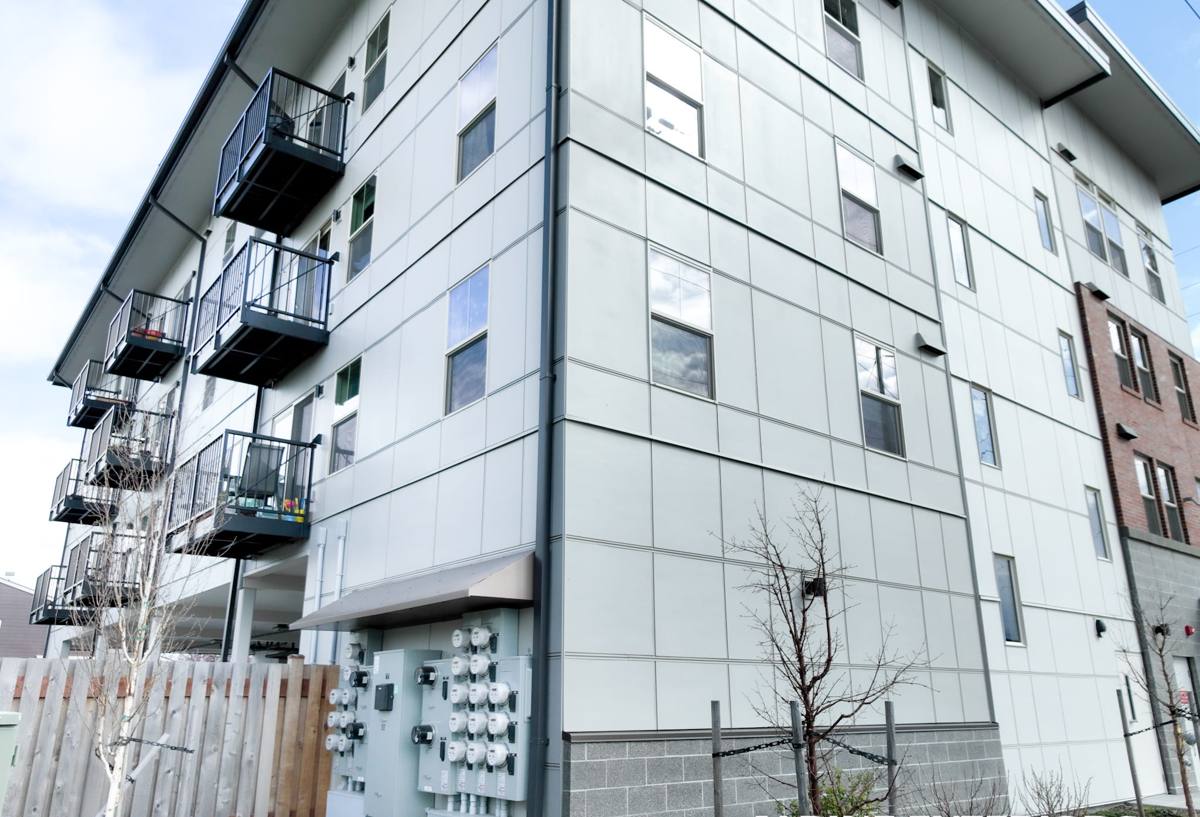
What Clearwater Beach's Climate Does to Board & Batten Siding
Vertical board and batten has more seams and more edge exposure per square foot than horizontal lap siding, which makes it more sensitive to how well those seams are protected. On Clearwater Beach, four conditions work against it constantly:
- Hurricane-force wind: Pinellas County's coastal wind exposure means fastening, panel attachment, and edge detailing all have to meet a higher bar than siding installed further inland.
- Year-round, intense UV: Florida sun breaks down unprotected wood fiber, cheap coatings, and unsealed edges faster than almost anywhere else in the continental U.S.
- Wind-driven rain: Storms here don't just fall straight down — rain gets pushed sideways into vertical joints and batten seams, which is exactly where water intrusion starts if flashing and sealant details are wrong.
- Salt air: Airborne salt accelerates corrosion of fasteners and hardware and speeds up the breakdown of anything not built to resist a marine environment.
None of these are things a homeowner needs to fix themselves — they're things the installer needs to plan for before the first panel goes up.
Why Wood Board & Batten Struggles on the Beach
Traditional board and batten was originally a wood siding style — vertical boards with narrow strips (battens) covering the seams. It's a great-looking style, but on a barrier island, real wood board and batten is fighting its environment from day one. Wood absorbs moisture at the cut ends and at every batten seam, and Clearwater Beach's humidity means that moisture rarely gets a long enough dry stretch to fully release. Add UV exposure that fades and checks the surface, and salt air that keeps the wood perpetually damp near the coast, and you get a siding style that looks great when it's new and demands constant repainting, caulking, and board replacement a few years in.
This is exactly why we don't install wood, LP SmartSide, or vinyl versions of this look. Vinyl board and batten can warp and buckle in high heat and doesn't have the mass to stand up to wind-driven debris. Engineered wood products carry the same moisture vulnerability at cut edges as solid wood, just with a different marketing story. We install James Hardie fiber cement board and batten because it's the one system that's engineered specifically to not have this problem.
How We Build Board & Batten with James Hardie Products
James Hardie's board and batten look is built from two complementary products, not one:
HardiePanel Vertical Siding
These are large-format fiber cement panels installed vertically to form the flat "board" surface. Because they're fiber cement, they don't absorb water the way solid wood does, don't rot, and hold paint far longer than wood or engineered wood substrates.
HardieTrim Battens
Fiber cement trim boards are installed over the vertical seams to create the classic batten reveal. Because the trim is the same non-combustible, moisture-stable material as the panel behind it, the batten and the panel age at the same rate — no mismatched materials expanding and contracting differently over time, which is a common failure point in mixed-material board and batten systems.
ColorPlus Factory Finish
Where available for the product line selected, ColorPlus finish is baked on at the factory under controlled conditions, rather than field-painted on site. That matters directly for this location: a factory finish holds color and resists fading far better under Clearwater's UV load than a site-applied paint job, and it comes backed by its own finish warranty separate from the product warranty.
What a Correct Installation Involves
Board and batten is less forgiving of installation shortcuts than lap siding, because every vertical seam is a potential water path. A correct job on Clearwater Beach includes:
- A weather-resistant barrier (house wrap) installed and lapped correctly behind the entire assembly, not just behind the panels.
- Proper flashing at every horizontal transition — window and door heads, roof-to-wall intersections, and the base of the wall — so wind-driven rain has nowhere to collect.
- Correct fastener spacing, type, and embedment per the manufacturer's installation instructions, using corrosion-resistant fasteners appropriate for coastal exposure.
- Proper gapping and sealant at panel-to-trim and trim-to-trim joints, sized to allow for material movement without opening a water path.
- Correct clearance from grade, roofing, and decking so the bottom edge of the siding isn't sitting in standing water or splashback.
- Caulking and sealant products rated for the specific joints they're used on — not a single generic caulk for the whole house.
Skip any one of these and the failure shows up in the same place: a seam or a bottom edge, usually a few years down the road, after the damage is already inside the wall.
Our Process for Clearwater Beach Board & Batten Projects
We approach every board and batten job on the beach the same disciplined way:
- On-site assessment: We look at wall exposure, existing moisture or rot conditions, window and door flashing, and how the house currently handles wind-driven rain before we quote anything.
- Substrate and moisture check: Any water damage or compromised sheathing found during removal gets addressed before new siding goes up — covering a problem is worse than finding it.
- Weather barrier and flashing installation: This step happens before a single panel is hung, because it's the layer that actually keeps water out if something ever gets past the siding itself.
- Panel and batten installation: Installed to James Hardie's published specifications for fastening, gapping, and coastal wind exposure — not shortcuts to save labor time.
- Sealant and finish detailing: Correct sealant at every joint, and a final walk-through inspection of every seam, corner, and penetration.
Cost Factors for Board & Batten on Clearwater Beach
Every home is different, but these are the variables that actually move the price on a board and batten project in this area:
| Factor | Why It Matters Here |
|---|---|
| Wall exposure and elevation | Direct Gulf-facing walls and elevated (stilt-style) construction require more careful staging and flashing work |
| Existing damage behind old siding | Coastal moisture exposure means substrate repair is more common here than inland |
| Panel and trim configuration | Batten spacing and reveal width affect material quantities and labor time |
| Window and door count | Each opening adds flashing and trim detail work |
| Finish selection | Factory ColorPlus finish versus field-applied finish affects both cost and long-term UV performance |
| Access and staging | Beachfront lots and elevated homes can require different equipment and staging than a standard inland lot |
Why a Crew That Already Works Clearwater Beach Matters
Coastal exterior work is a different discipline than inland siding work, and it shows up in details a homeowner may never think to ask about: how flashing gets detailed at an elevated home's ground-level transition, which fastener grade actually holds up a block from the water, how to sequence work around Pinellas County's coastal building requirements, and what wind exposure category a given wall actually falls under. A crew that regularly works this specific stretch of coastline has already made — and corrected — the mistakes that a crew unfamiliar with barrier island conditions is still going to make on your house. That experience is the difference between board and batten that still looks sharp in ten years and board and batten that's showing seam failure in three.
Signs Existing Board & Batten Needs Attention
If your home already has board and batten siding, here's what to watch for, especially after storm season:
- Soft spots, bubbling, or visible warping in the boards or battens
- Cracked, shrunken, or missing caulk at vertical seams
- Staining or streaking below batten joints, which often signals water tracking behind the siding
- Paint that's chalking, peeling, or fading unevenly, especially on Gulf-facing walls
- Any soft or spongy feel to the wall when pressed near the base
Catching these early is far less costly than waiting until there's damage to the sheathing or framing behind the siding.
If you're planning a board and batten project on Clearwater Beach — whether it's a full re-side or you're weighing options for a home you're renovating — we're happy to take a look and give you a straightforward, no-pressure estimate. There's no obligation, and no pressure tactics, just an honest read on what your home needs.