 Clearwater Window
 Why Belleair Bluffs Homes Need Windows Built for This Exact Coastline
Belleair Bluffs sits up on the higher ground along the Intracoastal side of Pinellas County, which gives homes here a great view but also puts them squarely in the path of everything the Gulf and the bay throw at a window: sustained wind loads during tropical systems, wind-driven rain that gets pushed sideways into frame gaps, near-constant UV exposure, and salt-laden air that never really stops working on metal and hardware. A window that was fine in a drier, calmer climate simply doesn't hold up the same way here. Custom windows for this area aren't a marketing term — they're a practical response to the specific combination of wind zone, humidity, and salt exposure that Belleair Bluffs and the surrounding Clearwater area deal with year-round.
"Custom" also matters because Belleair Bluffs has a real mix of home ages and styles — from older block construction to newer builds — and very few of them have perfectly standard, builder-grade window openings anymore. Openings settle, get resized during past renovations, or were never squared to begin with. Windows ordered off a generic size chart tend to need shimming, gap-filling, and compromises that become the first point of failure when a storm pushes on them.
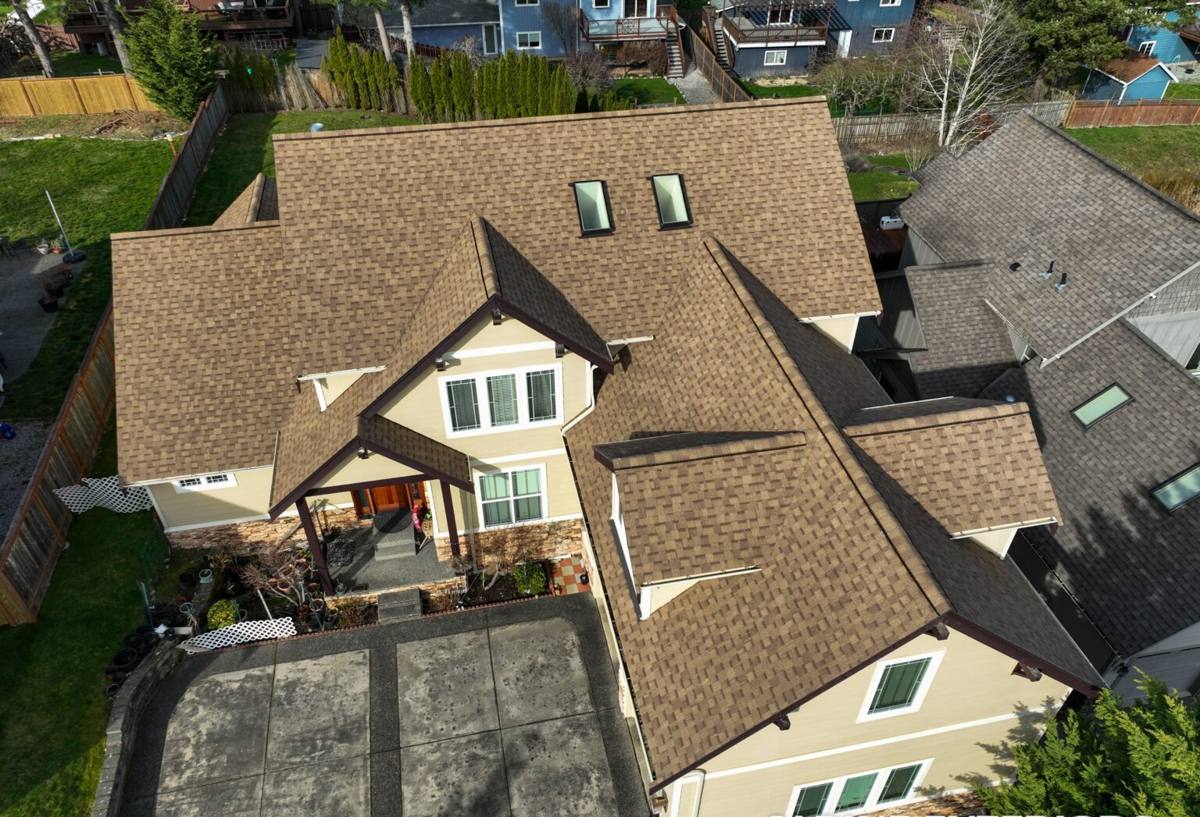
What "Custom" Actually Means for a Belleair Bluffs Project
Every Opening Gets Measured, Not Assumed
We measure each opening individually — width, height, and diagonal, to catch out-of-square conditions before ordering. On older homes especially, no two openings on the same wall are guaranteed to match. Ordering to a floor plan instead of an as-built measurement is how homeowners end up with windows that need field modification, which weakens the water seal right where you need it most.
Matching the Window to the Wall System
Block construction, wood frame, and stucco-over-frame all anchor and flash differently. A custom approach accounts for what's actually behind the opening — not a generic installation method applied to every wall type on the job.
Impact Glass, Frame Material, and What We Recommend
For Belleair Bluffs, we generally steer homeowners toward laminated impact-rated glass in an appropriately rated frame, rather than relying on shutters or panels as the primary line of defense. Impact windows stay in place and sealed during a storm instead of requiring you to deploy separate protection before every watch or warning, and they carry the added benefit of cutting UV transmission and outside noise year-round, not just during hurricane season.
| Option | Storm Protection | Daily Living Trade-offs |
|---|---|---|
| Impact-rated windows | Permanent, no setup needed before a storm | Higher upfront cost, best long-term UV and noise reduction |
| Non-impact glass + removable panels/shutters | Only as good as your ability to install them in time | Lower upfront cost, added labor every storm, panels must be stored somewhere |
| Non-impact glass, no secondary protection | Relies on plywood or last-minute measures | Least reliable option; highest risk of water intrusion and glass failure |
We don't push a specific manufacturer as "the only option" — we spec frame material (vinyl, aluminum, or composite) and glass package based on the wall system, sun exposure on that elevation, and the homeowner's budget. What we won't do is install a non-rated product in an opening that needs a rated one just to hit a lower number, because that decision becomes the homeowner's problem the next time a storm rolls through Pinellas County.
Frame Material Considerations Near the Water
Salt air accelerates corrosion on hardware and fasteners faster than most homeowners expect, especially on elevations facing open water or prevailing wind. We specify corrosion-resistant fasteners and hardware as a baseline on every project here, not as an upgrade — it's cheaper to do it right the first time than to replace failed hardware in five years.
What a Correct Installation Actually Involves
The window product only performs as well as the installation around it. A correct job includes:
- Removing the old unit without damaging the surrounding stucco, framing, or wall sheathing
- Inspecting the opening for rot, moisture damage, or prior improper flashing before anything new goes in
- Installing flashing and a proper water management path so any moisture that gets behind the window sheds outward, not into the wall cavity
- Anchoring to the manufacturer's tested and approved fastening schedule for the required wind load
- Sealing with the correct sealant type for the substrate — not just caulking over gaps
- Verifying the unit operates, locks, and seals correctly before the job is called done
Skipping the flashing and water management step is the single most common cause of hidden window failures we see when we're called in to fix someone else's install. The window can look perfect from the street and still be letting water into the wall.
Permitting and Wind Zone Compliance
Window replacements in this part of Florida require permitting and product approvals tied to the local wind zone — this isn't optional paperwork, it's what confirms the product and installation method are actually rated for what Pinellas County storms can produce. We handle the permit and inspection process as part of the job, not as an add-on.
Our Process for Belleair Bluffs Homeowners
1. On-Site Assessment
We walk the exterior and interior, check existing openings for damage or prior repair issues, and talk through which elevations take the most wind and sun exposure on your specific lot.
2. Measurement and Product Selection
Every opening is measured individually. We recommend glass and frame packages based on exposure, budget, and how the wall system behind each opening is built.
3. Permitting
We prepare and submit the permit package with the correct product approvals for the required wind rating before any work begins.
4. Installation
Removal, opening inspection, flashing, anchoring, and sealing — done in the sequence that protects the wall, not just the window.
5. Inspection and Walkthrough
We coordinate the required inspection and walk the finished openings with you to confirm operation, locking, and appearance before we consider the job complete.
Signs Your Current Windows Are Already Losing the Fight
- Fogging or moisture between panes of double-glazed units
- Difficulty opening, closing, or locking that wasn't there a year or two ago
- Visible corrosion or chalky buildup on frames and hardware
- Soft spots, staining, or bubbling paint on the wall or trim around the window
- Noticeable drafts or noise increase during windy conditions
- Faded flooring or furniture near south- or west-facing windows from UV exposure
- Water intrusion during heavy wind-driven rain, even without a named storm
Any one of these on its own isn't an emergency, but on a coastal Pinellas County home they tend to compound quickly once salt air and UV get a foothold in a weak seal.
Cost Factors for Custom Windows in This Area
| Factor | Why It Moves the Price |
|---|---|
| Impact rating required | Laminated impact glass and reinforced frames cost more than standard glazing, but remove the need for storm panels or shutters |
| Opening size and configuration | Larger openings, sliders, and multi-panel units require heavier frames and more complex anchoring |
| Wall condition behind the opening | Rot, prior water damage, or out-of-square framing adds repair work before a new window can go in correctly |
| Number of elevations exposed to direct wind or sun | Higher-exposure walls may warrant a higher glass package even if the rest of the home doesn't need it |
| Frame material | Vinyl, aluminum, and composite differ in upfront cost, expected lifespan, and how they hold up to salt air over time |
We give a straightforward, itemized number after the on-site assessment — not a rough phone estimate — because the wall condition and exposure on your specific lot genuinely change what the job requires.
Why Local Experience in Belleair Bluffs Specifically Matters
A crew that only occasionally works this stretch of Clearwater and Pinellas County is guessing at wind zone requirements and permitting details every time. A crew that regularly works Belleair Bluffs knows the local permitting office's expectations, has already seen how the area's older homes were originally built and where past renovations tend to cause problems, and understands which elevations on a bluff-adjacent lot take the worst of the wind and salt exposure. That familiarity shows up as fewer surprises mid-project and a permit and inspection process that goes smoothly the first time.
It also matters after the install. Salt air maintenance — cleaning hardware, checking seals, keeping weep holes clear — is different guidance for a home a few blocks from open water than for one further inland, and it's easier to give that guidance accurately when we've worked on comparable homes nearby.
Protecting the Investment After Installation
Custom windows rated for coastal wind and impact conditions are a long-term investment, and a little upkeep protects it. Rinse salt residue off frames and hardware periodically, keep weep holes and drainage paths clear of debris, check that locks and rollers move freely each season, and have seals inspected if you notice any fogging or drafts. None of this is complicated, but skipping it is how a well-installed window ages faster than it should in this climate.
If you're weighing custom windows for a Belleair Bluffs home, we're happy to take a look and give you a straightforward, no-pressure estimate — use the form below to get started.