 Clearwater Window
 Asphalt Shingle Roofing Built for Belleair Bluffs Conditions
Belleair Bluffs sits in a stretch of Pinellas County where the roof over your head works harder than it does almost anywhere else in the country. The elevation gives the neighborhood some of its charm and its views, but it doesn't shield homes from what the Gulf throws at them: sustained coastal wind, hurricane-force gusts during storm season, salt-laden air that eats away at metal fasteners and flashing, and a sun that beats down on shingles nearly every day of the year. An asphalt shingle roof installed correctly for this environment can hold up for decades. One installed with shortcuts, or with materials and details suited to a milder climate, will show problems within a few years — granule loss, curling edges, nail pops, and leaks at the first hard blow-through rain.
This page is specifically about asphalt shingle roofing for homes in Belleair Bluffs. We're not going to give you a generic rundown of shingle roofing in general terms. We want to walk through what actually matters for a roof in this part of Clearwater and Pinellas County, what a correct installation looks like, and why local experience on this specific coastline changes the outcome.
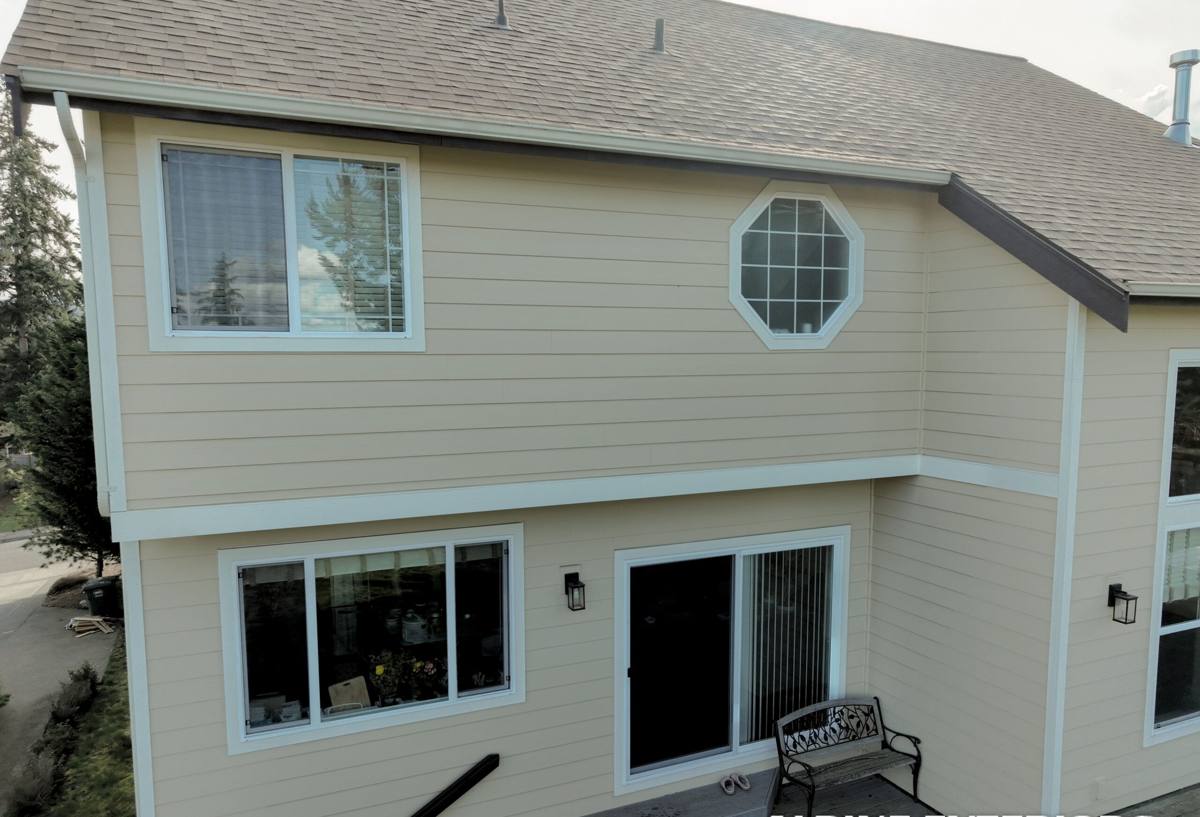
What This Climate Actually Does to a Shingle Roof
It helps to understand the specific stresses at work before talking about materials and installation, because every recommendation below traces back to one of these four forces.
Wind
Belleair Bluffs doesn't need a named storm to see damaging wind. Regular thunderstorm cells that roll through in summer can produce straight-line gusts strong enough to lift poorly-fastened shingles, and hurricane season brings the possibility of sustained wind loads that test every nail and every seal on the roof. Wind doesn't just tear shingles off in dramatic fashion — more often it works at the edges and the seams, slowly loosening tabs until water starts finding its way underneath.
Wind-Driven Rain
Rain that falls straight down is easy for a roof to shed. Rain that's being pushed sideways by wind is a different problem entirely, because it can work its way under shingle tabs, around vents, and into any gap in flashing that wouldn't be an issue in calmer weather. This is why underlayment quality and flashing detail work matter more here than they would in a drier, calmer inland climate.
UV Exposure
Florida sun is intense and consistent, and asphalt shingles are a petroleum-based product — heat and UV break down the asphalt binder and cause the protective granules to loosen and wash off over time. A roof that spends its life under this kind of sun exposure ages faster than the same product would in a northern state, which is part of why product selection and attic ventilation both matter so much here.
Salt Air
Being close to the coast means airborne salt settles on every exterior surface, including the roof. Salt accelerates corrosion on exposed metal — nail heads, flashing, vent stacks, and drip edge are all vulnerable if the wrong grade of metal or fastener is used. This is one of the more overlooked factors in roofing failures near the water, because the damage happens slowly and out of sight until a leak shows up.
What a Correct Asphalt Shingle Installation Includes Here
A roof that's going to actually perform in Belleair Bluffs conditions needs every layer done right, not just the shingles themselves. Here's what we consider non-negotiable for a home in this area.
- Wind-rated shingle products matched to Florida Building Code wind requirements for this region, installed with the fastener pattern the manufacturer specifies for high-wind zones — not the standard four-nail pattern used in calmer climates
- Synthetic or high-quality underlayment installed as a full secondary water barrier, not just a code-minimum layer
- Self-adhering waterproof membrane at eaves, valleys, and any low-slope transitions where wind-driven rain is most likely to intrude
- Corrosion-resistant metal flashing and fasteners around every penetration — chimneys, vent stacks, skylights, and wall-to-roof transitions
- Properly sized and balanced attic ventilation so heat and moisture don't build up under the deck and shorten shingle life from underneath
- Sound decking — any soft, delaminated, or water-damaged plywood replaced before new shingles ever go down
- Correct starter strip and hip/ridge shingle installation, since these edge details are where wind uplift most often begins
Skip any one of these and the roof might look fine for a year or two, but the weak point will eventually show itself — usually during the exact storm conditions the roof was supposed to handle.
Getting the Fastening Pattern Right
One of the most common corners cut on shingle installations isn't visible from the ground: nail placement and count. Manufacturers publish specific high-wind installation instructions that increase the number of fasteners per shingle and require precise placement within the nailing strip. A roof installed to standard nailing specs might carry a wind rating on paper that it was never actually built to meet. We install to the high-wind pattern as standard practice on every Belleair Bluffs roof, not as an upgrade.
Choosing the Right Shingle Product for This Area
Not every asphalt shingle product on the market is built the same way, and the differences matter more here than in a low-wind, low-UV climate. We generally steer homeowners toward architectural (laminated) shingles rather than older three-tab styles for coastal Pinellas County homes, for a few honest reasons: architectural shingles carry higher wind ratings, use a heavier construction that resists curling and blow-off better, and tend to hold their granule coating longer under intense sun exposure. Three-tab shingles aren't a bad product, but their lighter weight and lower wind rating make them a harder sell for a home exposed to Gulf-driven storms.
We also pay attention to algae-resistant granule technology, since Florida's heat and humidity create ideal conditions for the dark streaking that comes from algae growth. It's not a structural issue, but it affects how a roof looks within a few years of installation, and it's worth choosing a product line designed to resist it from the start.
Comparing Common Shingle Options for Coastal Pinellas County Homes
| Shingle Type | Typical Wind Rating | Best Fit | Trade-Offs |
|---|---|---|---|
| 3-Tab Shingles | Lower | Budget-conscious projects, less wind-exposed structures | Lighter weight, shorter lifespan in coastal wind and UV |
| Architectural Shingles | Higher | Most Belleair Bluffs homes | Higher upfront cost, but better wind performance and appearance longevity |
| Impact-Rated Architectural Shingles | Higher, plus impact resistance | Homes prioritizing insurance credits and storm resilience | Highest material cost of the three |
Impact-rated shingles are worth a conversation with your insurance agent as well as with us — some carriers offer premium discounts for impact-resistant roofing in Florida, which can offset part of the added material cost over time.
Our Process for a Belleair Bluffs Roofing Project
Every roof replacement follows the same sequence, but the details at each step are shaped by what this coastline demands.
1. On-Site Inspection and Honest Assessment
We start by getting on the roof, not just looking at it from the driveway. We check the deck for soft spots, evaluate existing flashing and ventilation, and look for the specific wear patterns caused by wind and salt exposure. We'll tell you plainly if repair is a realistic option or if replacement is the better long-term value.
2. Straightforward Estimate
You get a written scope of work and pricing before anything is scheduled — no vague allowances, no surprise change orders for things we should have caught during inspection.
3. Tear-Off and Deck Inspection
Full tear-off to the deck, with every sheet of plywood inspected and any damaged sections replaced. This is the point where hidden water damage from years of small leaks tends to surface, and it needs to be dealt with before anything new goes down.
4. Underlayment, Flashing, and Ventilation
This is where the real weatherproofing happens, well before a single shingle is visible. Waterproof membrane at vulnerable areas, new corrosion-resistant flashing, and a ventilation setup that's actually balanced for intake and exhaust.
5. Shingle Installation to High-Wind Specification
Manufacturer-specified fastening patterns, correct starter and ridge details, and attention to every edge and penetration.
6. Final Walkthrough
We walk the finished roof and the property with you, confirm cleanup, and make sure you understand your warranty coverage before we consider the job done.
Maintenance That Actually Extends Roof Life Here
A well-installed roof still benefits from basic upkeep in this climate. A few habits make a real difference:
- Have the roof inspected after any significant storm, even if you don't see obvious damage from the ground
- Keep gutters clear so wind-driven rain has somewhere to go instead of backing up under the shingle edge
- Trim back overhanging branches that can trap moisture or cause abrasion damage during high wind
- Watch for granule buildup in gutters, which can signal accelerated shingle wear
- Schedule a periodic professional check on flashing and vent boots, since these are the first components to fail from salt exposure
Why Local Experience in Belleair Bluffs Matters
A crew that works this specific part of Clearwater and greater Pinellas County day in and day out understands things a roofer from further inland simply doesn't have reason to know — how quickly salt air corrodes standard fasteners, which flashing details tend to fail first in this wind exposure, and what the local permitting and wind-code requirements actually call for. We're not learning this coastline on your roof. We bring that experience to every estimate and every installation, and we stand behind the work with clear warranty terms rather than vague promises.
If you're weighing a repair against a full replacement, or you just want a straight answer about the condition of your roof, we're happy to take a look. Reach out for a free, no-pressure estimate using the form below, and we'll give you a clear picture of what your Belleair Bluffs roof actually needs.