 Clearwater Window
 A Barrier Island Roof Works Harder Than an Inland One
Clearwater Beach sits out on a narrow strip of sand between the Gulf of Mexico and Clearwater Harbor, and that location changes what a roof has to put up with every single day. A shingle roof three miles inland deals with Florida sun and the occasional storm. A roof on Clearwater Beach deals with that same sun reflected off open water, salt spray carried on the Gulf breeze, wind that funnels harder across open sand than it does through inland neighborhoods, and rain that hurricanes and tropical storms drive sideways instead of straight down. None of that means asphalt shingles are the wrong choice for a beach home — they're still one of the most practical, cost-effective roofing systems available in Pinellas County. It means the material, the installation details, and the crew doing the work all matter more here than they would a few miles up the road.
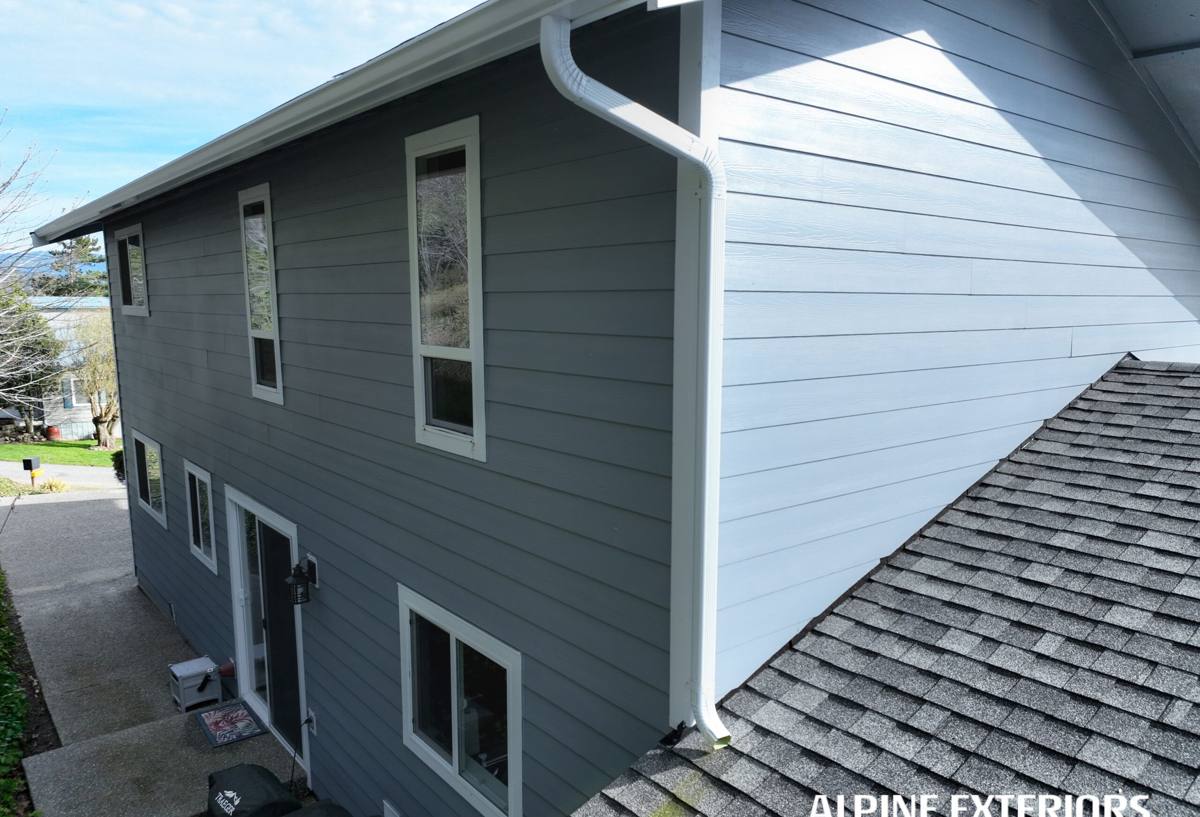
What the Coastal Environment Actually Does to a Shingle Roof
UV and Heat
Asphalt shingles are held together by an asphalt binder coated with mineral granules, and that binder breaks down under sustained UV exposure. A roof with unobstructed sun exposure and heat radiating up off sand and water ages faster than one with tree cover or a north-facing slope. Over years, that shows up as granule loss, brittleness, and shingles that no longer lie flat.
Salt Air and Corrosion
Salt in the air doesn't just affect metal railings and car frames near the beach — it settles on roofing metal too. Flashing, drip edge, nail heads, and vent boots made from lower-grade or unprotected metal corrode faster this close to the Gulf. Once flashing starts to rust and pit, it stops shedding water the way it's supposed to, and that's usually where leaks start, not in the shingles themselves.
Wind-Driven Rain
A normal rain shower falls straight down and runs off a properly shingled roof without issue. Wind-driven rain during a tropical system or even a strong summer storm off the Gulf hits the roof at an angle and can work its way up and under shingle tabs, especially at edges, valleys, and anywhere the sealant strip has weakened. This is a different failure mode than a worn-out roof leaking from age, and it's one that under-built roofs on the beach see more often than inland homes do.
Hurricane-Force Wind Loads
Pinellas County sits in a high-wind design region under the Florida Building Code, and barrier island properties like Clearwater Beach see the top end of that wind exposure with nothing to break the gust before it hits the roof. Shingle blow-off almost always starts at the edges — rakes, eaves, and ridges — where wind uplift is strongest and where cheap installation shortcuts are most likely to fail first.
Choosing a Shingle System Built for This Exposure
Not every asphalt shingle sold at a supply house is a good fit for a home that sits this close to open water. The differences that matter here are wind rating, impact rating, and the quality of the algae- and UV-resistant granule coating.
| Shingle Type | Typical Wind Rating | Realistic Lifespan on Clearwater Beach | Best Fit For |
|---|---|---|---|
| Standard 3-tab | Lower wind rating, lighter construction | Shortest of the three — sun and salt exposure show earlier | Budget-driven projects on less exposed structures |
| Architectural / laminate | Higher wind rating than 3-tab, heavier and thicker | Noticeably longer service life in coastal exposure | Most single-family beach homes |
| Impact-rated (Class 4) | Highest wind rating, reinforced construction | Best long-term performance; may qualify for insurance credit | Homes prioritizing storm resilience and insurance savings |
Architectural shingles are our default recommendation for most Clearwater Beach homes — they're heavier, sit flatter, and hold up to wind and UV noticeably better than 3-tab shingles for a modest cost difference. Impact-rated shingles cost more up front but are worth discussing if you're also trying to improve your wind mitigation standing with your insurance carrier, which matters a lot for beachfront coverage.
Beyond the shingle line itself, we look for products with a strong, well-bonded sealant strip and algae-resistant granules. Humid, salt-laden air is exactly the environment where algae streaking shows up fastest on lower-grade shingles, and a weak sealant strip is the first thing that fails when wind starts working at the tabs.
What a Correct Installation Actually Involves
The shingle brand matters less than most homeowners assume. What actually determines whether a roof survives its first real hurricane season is the installation underneath it — the parts you don't see once the job is done. A correct asphalt shingle install on a Clearwater Beach home includes:
- Full tear-off and a deck inspection for soft, delaminated, or water-damaged plywood before anything new goes down
- Self-adhering, waterproof underlayment at eaves, valleys, and rakes — the spots most exposed to wind-driven rain
- Synthetic underlayment across the rest of the field for a secondary water barrier beneath the shingles
- Corrosion-resistant drip edge installed at both the eaves and rakes, not just one side
- Properly lapped step and counter-flashing at walls, chimneys, and any roof-to-wall transitions
- Nail count and placement matched to the shingle manufacturer's high-wind installation instructions, not the minimum standard pattern
- Sealed, corrosion-resistant pipe boots and vent flashing rated for coastal exposure
- Balanced ridge and soffit ventilation so heat and moisture can actually escape the attic space
Skip any one of these and the roof can still look fine sitting on a shelf photo — it just won't perform when the wind actually loads up on it. This is the part of the job that separates a roof rated to hold up on the beach from one that happens to be made of the same shingles.
How We Handle a Clearwater Beach Reroof
- Inspection and estimate. We walk the roof, check the deck condition where accessible, look at existing flashing and ventilation, and give you a written estimate with no pressure to decide on the spot.
- Permitting and material order. Reroofs require a permit in Pinellas County. We handle the paperwork and order the shingle system, underlayment, and flashing components before work starts so the job isn't delayed waiting on materials.
- Tear-off and deck repair. Old roofing comes off down to the deck, and any damaged sheathing gets replaced before new underlayment goes on — not covered up.
- Underlayment and flashing. Waterproof underlayment, drip edge, and flashing go in first, since this layer does most of the real work keeping wind-driven rain out.
- Shingle installation. Shingles go down to the manufacturer's high-wind nailing specification, with attention to valleys, ridges, and edges where failures start.
- Final walkthrough and cleanup. We inspect the completed roof, clean up the site including a magnetic sweep for stray nails, and go over warranty paperwork with you.
Permits, Wind Mitigation, and Insurance
Any reroof on Clearwater Beach requires a building permit and a final inspection — that's not optional, and it's also your protection as a homeowner, since it confirms the work meets Florida Building Code wind requirements for this region. Once the new roof passes inspection, it's worth asking your insurance agent about a wind mitigation inspection. A new roof with documented high-wind nailing, secondary water barrier, and appropriate impact rating can lower your windstorm premium, and on a barrier island property that premium is often a significant part of your total insurance cost. We can provide the documentation your inspector will want to see about materials and installation method used.
Maintenance and Realistic Lifespan in This Climate
Manufacturers publish lifespan ratings based on general conditions, not Gulf-front sun and salt exposure. In practice, a well-installed architectural shingle roof on Clearwater Beach should still deliver a solid service life, but expect the coastal environment to shave some years off the upper end of what that same shingle would last inland. A few habits stretch that lifespan:
- Have the roof looked at after any named storm, even if you don't see obvious damage from the ground
- Keep gutters and valleys clear so water isn't sitting against shingle edges
- Watch for granule buildup in gutters or downspouts, which signals accelerating wear
- Get pipe boots and rubber flashing components checked every few years — they degrade faster than the shingles around them
Catching a lifted shingle or a cracked pipe boot early is a small repair. Ignoring it through a couple of storm seasons turns it into a deck replacement.
Why Hiring a Crew That Already Works Clearwater Beach Matters
Beach roofing jobs come with logistics that inland jobs don't. Staging materials and equipment is tighter on narrow beach lots and condo properties than it is on a standard suburban lot. Many properties here fall under an HOA or condo association with its own rules about work hours, dumpster placement, and contractor access that a crew unfamiliar with the area has to learn on the fly. And a crew that works this stretch of coastline regularly already knows, from repeated experience, which flashing metals hold up and which corrode within a few seasons, which sealant strips actually stay bonded in this humidity, and where wind uplift tends to start failures on this type of exposure. That's knowledge you don't get from a spec sheet — it comes from doing the work here, on this island, repeatedly.
If you're planning a reroof or want a second opinion on the condition of your current shingle roof, we're happy to take a look and give you a straight, no-pressure estimate. Use the form below to get started.