 Clearwater Window
 Windows in Sunset Point Face a Different Kind of Wear
Sunset Point sits close to Clearwater Harbor, and that proximity to open water shapes how windows age here. It's not just one thing wearing on a window — it's four things working at once, year after year. Hurricane-force gusts test the frame and the anchoring. Intense, near-constant Florida sun breaks down seals, vinyl, and glazing compounds faster than it would in a drier, cooler climate. Wind-driven rain finds any weak point in flashing or caulking and pushes water where it doesn't belong. And salt air, even a mile or two inland, slowly corrodes hardware, fasteners, and untreated aluminum. A window that's a good fit for an inland Pinellas County neighborhood isn't automatically a good fit two blocks from the harbor.
That's the case for custom windows in Sunset Point specifically — not just "hurricane windows" in general, but windows sized, sealed, and specified for this particular stretch of Clearwater.
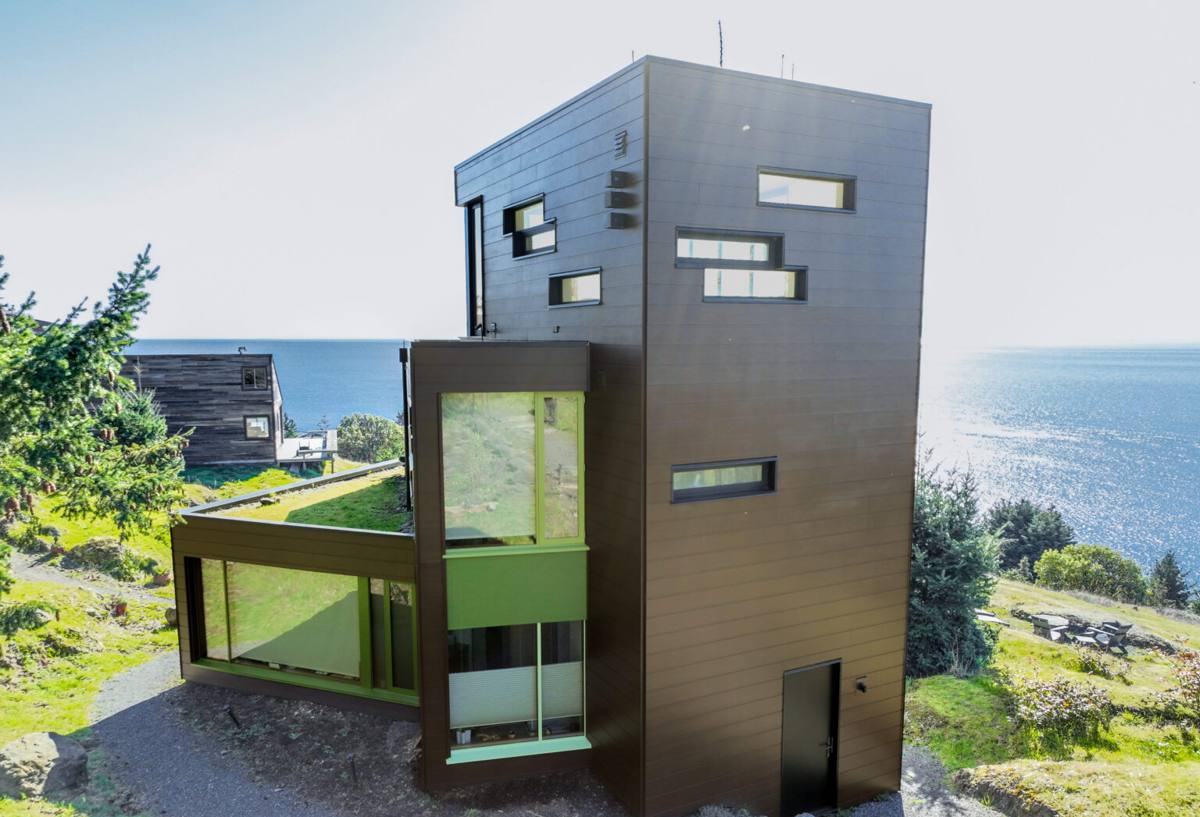
What "Custom" Actually Means for a Sunset Point Home
"Custom" gets thrown around loosely in this trade. For us it means two concrete things: the window is built to your actual rough opening instead of forcing your opening to fit a stock size, and the specification — glass, frame material, hardware — is chosen for your home's exposure and use, not pulled off a generic order sheet.
Non-Standard Openings Are Common Here
A lot of homes in this part of Clearwater were built decades ago, then added onto, re-stuccoed, or had windows swapped at some point in their history. That means openings are frequently slightly out of square, undersized or oversized relative to today's standard dimensions, or framed in a way that doesn't match current construction. Custom sizing avoids the shims, gaps, and filler panels that come with jamming a stock window into an opening it wasn't made for — and those gaps are exactly where wind-driven rain gets in.
Custom Also Means Matching the Home's Character
Older Sunset Point homes and newer infill builds sit side by side in this neighborhood. Grille patterns, frame color, and sightlines matter for keeping a home looking like itself rather than looking retrofitted. A custom order lets you match existing trim lines and window styles across the house instead of ending up with a mismatched patchwork after a partial replacement.
Materials and Glass That Actually Hold Up Near the Water
Every window material has trade-offs. Near the harbor, those trade-offs matter more than they would ten miles inland.
| Material/Glass | Strengths | Trade-Offs Near Salt Air |
|---|---|---|
| Vinyl frame | Won't corrode, low maintenance, good insulation value | Can discolor or become brittle under years of intense UV if lower-grade; quality of the compound matters |
| Aluminum frame | Strong, slim sightlines, holds up structurally under wind load | Needs a marine-grade or properly coated finish, or salt air will corrode it over time |
| Fiberglass frame | Very stable, resists warping and UV degradation well | Higher upfront cost than vinyl |
| Impact-rated laminated glass | Resists wind-borne debris, blocks a large share of UV, stays in the frame if cracked | Heavier, requires a frame and anchoring system rated to match it |
| Standard annealed glass + shutters | Lower glass cost | Only protected when shutters are deployed; depends on someone being home and able to close them before a storm |
Our default recommendation for Sunset Point homes is impact-rated laminated glass paired with a frame material matched to your home's exposure and maintenance preference. It's not the cheapest option on the table, but it's protection that's in place around the clock, not protection that depends on advance warning and a ladder.
Florida Building Code and Wind Requirements in Coastal Pinellas County
Florida Building Code sets minimum wind-load and, in coastal wind-borne debris regions, impact protection requirements for replacement windows. Because Sunset Point's location near the harbor puts it inside that coastal debris region, permitted window replacements here generally need either impact-rated glazing or an approved opening-protection system, along with anchoring documented to a wind-load rating for the site.
The exact requirements depend on your specific address, the home's wind exposure category, and the current code cycle in effect for the permit, so we pull the actual requirement for your property rather than assuming a blanket answer applies to the whole neighborhood. Every custom window job we do in Clearwater is permitted and inspected — not because it's optional paperwork, but because the permit and inspection are what confirm the installation actually meets the wind rating printed on the product label.
How We Handle a Sunset Point Custom Window Job
The process is straightforward, but each step exists to prevent a specific problem we've seen happen when it's skipped.
- On-site measurement and inspection. We measure every opening individually and check the surrounding framing, stucco, and sill condition — not just the glass opening, but what's behind it.
- Specification for your exposure. We select frame material, glass package, and anchoring based on the home's distance from the water, sun exposure, and current condition, not a one-size answer for the whole zip code.
- Permitting. We pull the required permit and document the wind rating for the installed product before work begins.
- Removal and opening prep. Old windows come out, and we inspect the framing underneath for hidden water damage or rot before anything new goes in — a step that's easy to skip and expensive to regret.
- Installation and sealing. Correct anchoring per the product's approved installation instructions, then flashing and sealant sized to shed wind-driven rain, not just block it in calm weather.
- Final inspection and walkthrough. The permitted inspection confirms the install meets code, and we walk the job with you before calling it done.
What We Commonly Find in Older Sunset Point Homes
When we open up an older window in this area, a handful of issues show up often enough that they're worth knowing about before you get a quote:
- Corroded aluminum anchors or fasteners that have been slowly weakening for years without any visible sign from inside the house
- Stucco or sill cracking around the frame that's let moisture behind the wall over time
- Caulk and sealant that's failed and been painted over repeatedly instead of properly replaced
- Frames that were caulked in place rather than mechanically fastened to code, which won't hold under real wind load
- Non-impact glass in openings that are now within a wind-borne debris region under current code
None of these are unusual for a home of a certain age near the water — they're just things a generic installer working from a price sheet is more likely to miss than a crew that specifically inspects for them.
What Custom Windows Cost in Sunset Point — and What Drives the Price
We won't quote a number without seeing the openings, but the honest range for a fully custom, impact-rated window in this area typically runs from the low thousands per opening for standard sizes up to considerably more for large or architecturally complex openings. The bigger driver of cost is almost never the glass itself — it's the factors below.
| Cost Factor | Why It Matters |
|---|---|
| Opening size and shape | Larger or non-rectangular openings need custom-fabricated glass and frames, which costs more than stock sizing |
| Frame material | Fiberglass and higher-grade vinyl or coated aluminum cost more upfront than basic vinyl |
| Glass package | Impact-rated laminated glass costs more than annealed glass, but removes the ongoing cost and labor of shutter systems |
| Structural condition behind the opening | Rot, cracked stucco, or corroded framing found during removal adds repair scope before the new window goes in |
| Number of openings done at once | Doing a full house at one time is typically more cost-efficient per window than one-off replacements over several years |
A Practical Checklist Before You Hire Anyone
Whether you call us or someone else, these are the questions worth asking before you sign a contract for window work in this part of Clearwater:
- Are they pulling a permit for the job, and will the work be inspected?
- Can they show you the wind-load rating and product approval documentation for the specific window they're proposing?
- Do they measure every opening individually, or quote off a standard size?
- Are they licensed and insured to do window and exterior work in Florida?
- What happens if they find rot or structural damage once the old window comes out — is that spelled out before work starts, or handled as a surprise change order?
- Do they have experience working specifically in coastal Pinellas County homes, not just inland construction?
Why Working With a Crew That Already Knows Sunset Point Matters
Window replacement rules and best practices shift depending on where a home sits relative to the water, and Sunset Point's location near Clearwater Harbor puts it squarely in that coastal category. A crew that regularly works this specific area already knows what wind exposure applies here, what permitting looks like for these addresses, and what condition issues tend to be hiding behind older frames in this part of the county. That's the difference between a window that's simply installed and a window that's actually specified correctly for where your home sits.
If you're considering custom windows for a home in Sunset Point, we're glad to take a look and give you a straightforward, no-pressure estimate — just fill out the form below and we'll follow up to schedule a time that works for you.