 Clearwater Window
 Board & Batten in Sunset Point: A Look That Has to Earn Its Keep
Board and batten has become one of the most requested siding looks in Pinellas County, and Sunset Point is no exception. The vertical lines read as clean, modern, and a little more custom than standard lap siding, which is exactly why so many homeowners in this part of Clearwater ask for it on renovations and new builds alike. But board and batten is not just a style choice out here. In a coastal wind zone, the same vertical joints and narrow batten strips that make the look distinctive are also the details that take the most abuse from wind, sun, and moisture. A board and batten job that looks right on install day and a board and batten job that still looks right in year eight are two very different outcomes, and the difference almost always comes down to material choice and installation discipline, not the design itself.
This page is about that one job — board and batten siding, done right, for homes in and around Sunset Point — not a general overview of siding options.
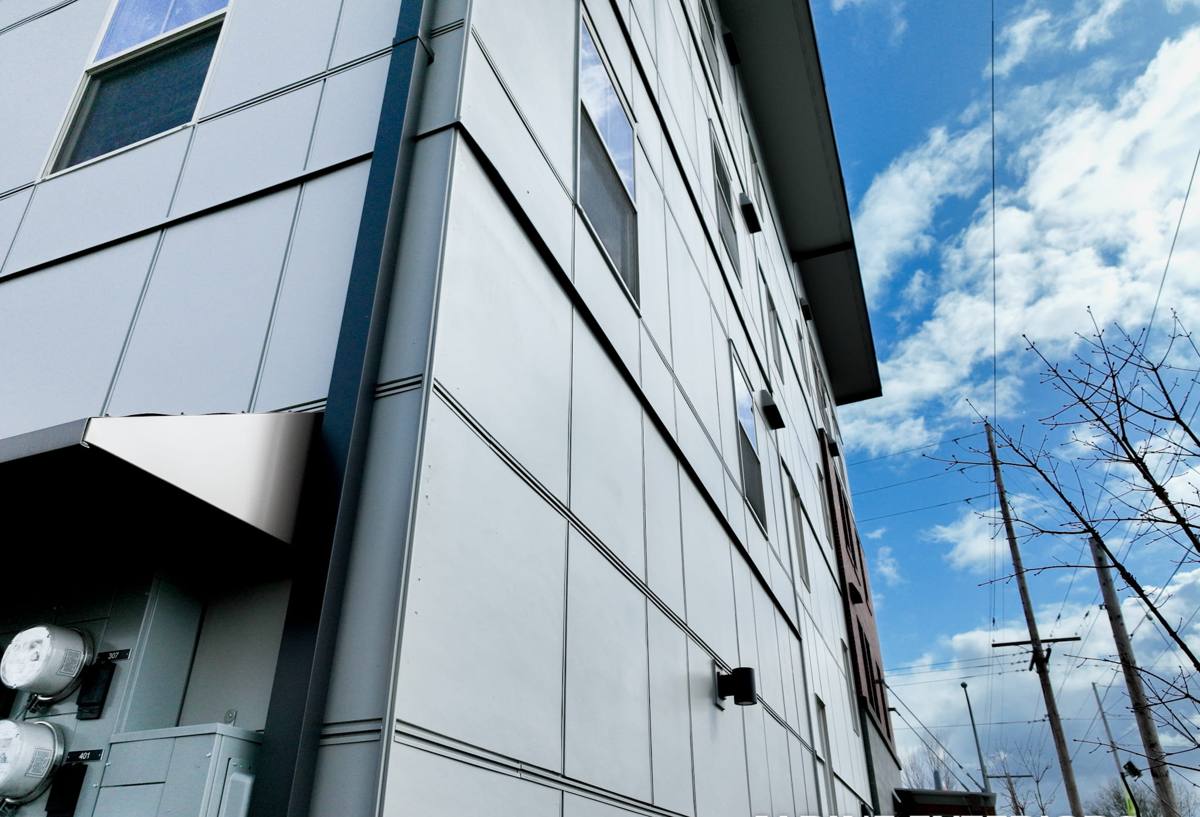
Why This Profile Is More Climate-Sensitive Than Standard Lap Siding
Every siding profile in Clearwater has to deal with hurricane-force wind events, intense year-round UV exposure, wind-driven rain, and salt air moving in off the Gulf. Board and batten just concentrates those stresses in a few specific places.
Vertical Seams Take On More Water
Lap siding sheds water downward by design. Board and batten relies on the battens themselves, plus correct flashing and sealant detailing at every vertical seam, to keep wind-driven rain from finding its way behind the cladding. During a Gulf storm, rain rarely falls straight down — it drives sideways into vertical joints, which makes the quality of that seam work the single biggest factor in how the siding performs over time.
More Fastener Points, More Ways to Get It Wrong
A board and batten wall has significantly more individual fastening points than a comparable run of lap siding, since both the boards and the battens need to be secured. Every one of those fasteners is a potential path for water intrusion if it's placed wrong, over-driven, or backed out over time by thermal movement and wind pressure. This is not a look you can rush.
Narrow Trim Profiles and UV Exposure
Battens are narrow by nature, which means less surface area to dissipate heat and more edge exposure to direct sun. Over years of Florida UV, materials that aren't engineered for this climate can show fading, cupping, or checking at the batten edges well before the field of the siding shows any wear.
Why We Install James Hardie Board & Batten, and Nothing Else
We are a fiber cement contractor. We do not install vinyl board and batten, LP SmartSide, Cemplank, Allura, or primed wood battens, and we're upfront about why: fiber cement from James Hardie is the only board and batten system we're willing to put our name behind in this climate. It's non-combustible, it's engineered specifically for high-humidity, high-UV regions through Hardie's HZ10 product line, and it carries a factory-applied ColorPlus finish that's baked on rather than field-painted, which matters enormously on a profile with this many exposed edges and seams.
Vinyl board and batten is lightweight and inexpensive, but it expands and contracts significantly with heat, which is a real liability on a profile that depends on tight, stable seams. LP SmartSide and other engineered wood products use a wood-strand core that, however well treated, is still wood at its core — meaning any breach in the moisture barrier along a batten edge has a real path to rot. We're not saying these products fail in every case. We're saying that for the specific stresses this coastline puts on a vertical board and batten wall, we've made the professional call that fiber cement is the material we're willing to stand behind, and it's the only one we install.
What James Hardie Board & Batten Actually Involves
There are two common ways to achieve the board and batten look with Hardie products, and the right choice depends on the specific home:
- HardiePanel vertical siding with applied battens — a solid fiber cement panel installed vertically, with separate batten strips fastened over the seams. This is the more traditional board and batten construction method.
- Hardie Artisan Series — a factory-finished, more refined vertical profile designed to replicate a high-end board and batten look with tighter tolerances and a heavier-gauge feel.
Both are legitimate options; the right one depends on the home's architecture, the batten spacing the homeowner wants, and budget. We walk through both during the estimate rather than defaulting to one.
What a Correct Installation Requires
Board and batten hides very little. Every seam is visible, which means there's no margin for sloppy prep work underneath. A correct install includes:
| Step | Why It Matters Here |
|---|---|
| Weather-resistive barrier & proper flashing at all seams | Wind-driven rain in Gulf storms finds any gap in the drainage plane behind vertical joints |
| Correct fastener type, spacing, and depth per Hardie spec | Over-driven or wrong-gauge fasteners are the most common cause of early failure on batten profiles |
| Manufacturer-specified clearance from grade, roofline, and decking | Keeps the bottom edge of the siding out of standing water and prolonged dampness |
| Sealant only where Hardie specifies it — not as a substitute for flashing | Caulk isn't a waterproofing system on its own; used wrong, it traps moisture instead of shedding it |
| Factory-finished ColorPlus edges kept intact during cuts | Cut edges need proper edge sealing since raw fiber cement is more absorbent than the coated face |
Skipping any one of these doesn't necessarily show up on install day — it shows up two or three storm seasons later, which is exactly why the installation process matters as much as the material.
A Homeowner's Quick-Check List
- Ask whether the crew is installing to James Hardie's published fastening and clearance specifications, not just "standard practice."
- Confirm what flashing detail will be used at every vertical seam and around penetrations (outlets, hose bibs, vents).
- Ask how cut edges will be treated before they're closed up.
- Get the batten spacing and reveal confirmed in writing before install day — this is a design decision, not a field improvisation.
- Ask about the warranty structure: what's covered by the manufacturer versus what's covered by the installer.
How Our Process Works for Sunset Point Homes
We treat every board and batten job as its own project, but the sequence stays consistent:
- On-site assessment — we look at the home's existing wall assembly, current siding condition, exposure direction relative to prevailing wind and rain, and any moisture history before we recommend anything.
- Material and layout decisions — HardiePanel with battens versus Artisan, batten spacing, reveal width, and ColorPlus color selection, all confirmed before ordering.
- Tear-off and substrate check — old cladding comes off and the sheathing underneath gets inspected, not assumed sound.
- Weather barrier and flashing installation — the part of the job nobody sees once it's finished, and the part that determines whether the siding lasts.
- Siding and batten installation to spec — correct fastener schedule, correct clearances, correct sealant use.
- Final walkthrough — we go over seam work, clearances, and finish quality with the homeowner directly.
Why Local Experience in Sunset Point Actually Matters
A crew that already works in Sunset Point and the surrounding Clearwater area isn't just convenient — it changes the quality of the decisions made on your project. Local familiarity means understanding how a specific street's exposure to wind and salt air compares to a block further inland, knowing what Pinellas County permitting and inspection expects for exterior work, and having a realistic sense of how HOA or neighborhood aesthetic expectations tend to run in this pocket of Clearwater. It also means we're not learning the quirks of coastal installation on your house — we've already adjusted our fastening, flashing, and sealant practices to what this specific stretch of Gulf coast actually demands, rather than applying a generic national playbook.
None of that replaces sound installation practice — it supplements it. But on a profile as detail-sensitive as board and batten, that local calibration is part of what separates a job that holds up from one that doesn't.
What to Expect From a Board & Batten Estimate
Every Sunset Point home is a little different — orientation to the water, existing wall condition, roofline, and architectural style all factor into the right board and batten approach and its cost. Rather than quote in the abstract, we walk the property, look at what's actually there, and give a straight answer on material, layout, and pricing based on your home specifically.
If you're considering board and batten siding for a home in Sunset Point or elsewhere in Clearwater, we're glad to come take a look and walk you through your options with no pressure and no obligation — just fill out the form below to get started.