 Clearwater Window
 Why Skycrest Roofs Wear Out Faster Than the Brochure Says
Skycrest is one of Clearwater's older, established residential neighborhoods, and that matters when you're talking about a roof. A shingle roof rated for "up to 30 years" on a manufacturer's data sheet was tested somewhere that doesn't see what a Pinellas County roof sees every year: sustained UV exposure at a latitude that bakes asphalt granules loose faster than in a northern climate, salt-laden air drifting in off the Gulf that accelerates corrosion on every exposed metal component, wind-driven rain that finds any gap in flashing or underlayment, and the real possibility of hurricane-force gusts testing every nail in the field during storm season.
None of that means a shingle roof is a bad choice for this area — it's still the most practical, cost-effective option for the vast majority of homes here. It does mean that "the same roof you'd get anywhere" isn't good enough. The materials, the fastening pattern, the flashing details, and the ventilation all need to be chosen and installed with this specific climate in mind, not a generic one.
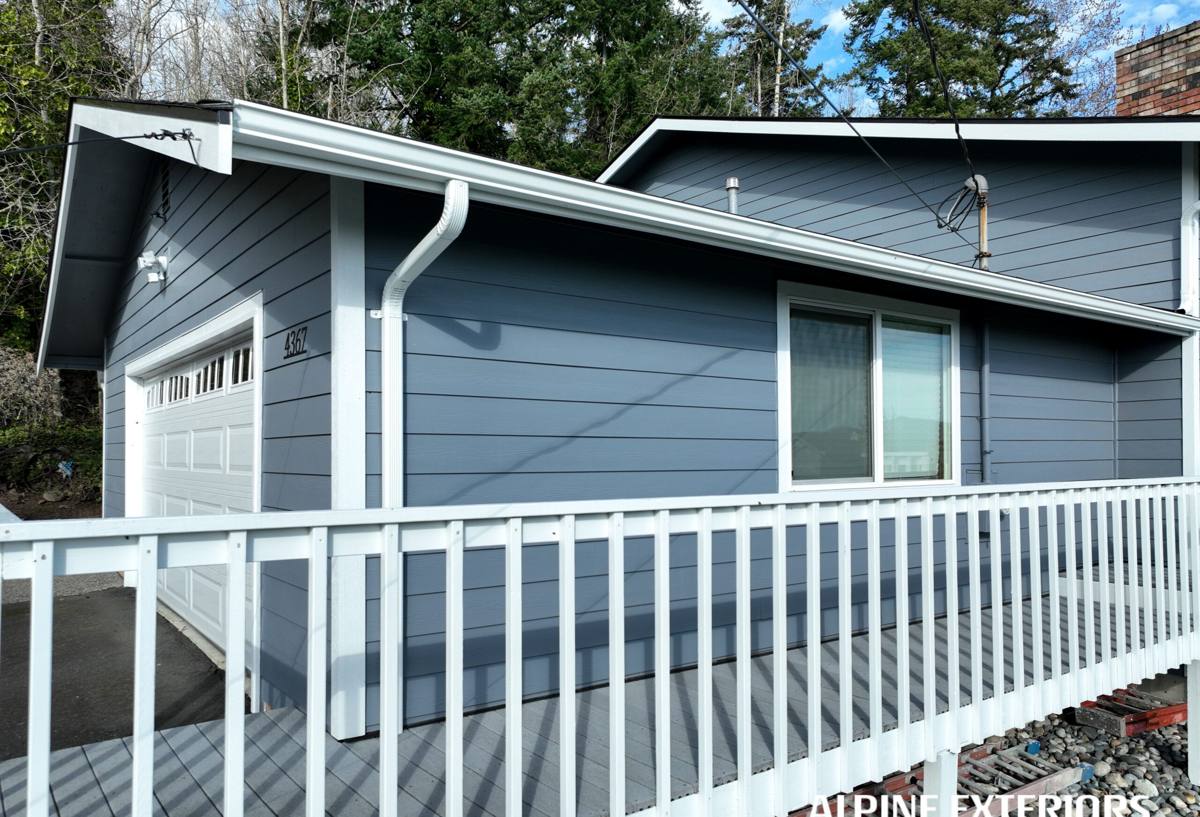
What Skycrest's Housing Stock Means for a Reroof
Deck Condition Is Rarely a Given
A lot of homes in this part of Clearwater were built decades ago, which means the roof deck underneath the shingles has usually been through at least one prior reroof, sometimes two. Plywood or planked decking that's been exposed to humidity and past leaks can be soft, delaminated, or under-fastened even if the shingles on top look fine from the ground. A correct job never assumes the deck is sound — it gets inspected once the old roofing is stripped, and any bad sections get replaced before a single new shingle goes down.
Additions and Roof-Age Mismatches
It's common on older lots to find a garage, Florida room, or rear addition with a roof section that's a different age than the main house — sometimes patched together with different materials or transitions that were never properly flashed. When we quote a reroof, we look at the whole roof plan, not just the largest visible slope, so nothing gets missed at a valley or tie-in point.
Established Tree Canopy
Mature landscaping is part of what makes older Clearwater neighborhoods pleasant to live in, but overhanging branches drop debris, hold moisture against shingles, and give ants and other pests a bridge onto the roof deck. It's worth a look at what's hanging over the roofline before a reroof, since trimming back growth after a new roof goes on protects the investment.
What a Correct Asphalt Shingle Job Actually Involves
A shingle roof is a system, not a single product. Skipping any one layer is how a roof that looks fine gets a leak in year six instead of year twenty.
- Full tear-off of existing shingles and underlayment down to the deck — not a layover, which traps heat and hides deck problems.
- Deck inspection and repair, replacing any wood that's soft, rotted, or delaminated before moving forward.
- Synthetic or self-adhering underlayment installed as a continuous water barrier, with extra protection at eaves and valleys where wind-driven rain concentrates.
- Drip edge and starter strip at every roof edge, sized and fastened to resist wind uplift at the most vulnerable part of the roof.
- New flashing at every roof-to-wall transition, chimney, skylight, and pipe penetration — reused flashing is one of the most common causes of a leak showing up within a year or two of a "new" roof.
- Shingles fastened per manufacturer and code wind-rating requirements, with nailing pattern and nail count matched to the product and the local wind zone, not a generic minimum.
- Ridge and soffit ventilation confirmed or upgraded so the attic can actually exhaust heat and moisture.
- Full cleanup, including a magnetic sweep of the yard for stray nails.
Choosing the Right Shingle for This Climate
Not every asphalt shingle is built the same, and the differences matter more here than in a milder climate. The table below covers the main categories homeowners choose between for a Skycrest reroof.
| Shingle Type | Typical Wind Rating | Best For | Trade-Offs |
|---|---|---|---|
| 3-tab | Lower end of code minimums | Budget-driven reroofs, rental properties | Flatter profile, shorter service life in high-UV, high-wind conditions |
| Architectural / laminate | Mid-to-high wind ratings depending on line | Most owner-occupied Skycrest homes | Higher upfront cost than 3-tab, but far better wind and wear performance |
| Impact-rated (Class 4) | Highest wind and impact ratings available | Homeowners prioritizing insurance credits and storm resilience | Highest material cost; savings can offset it over time through insurance premium discounts |
We don't install 3-tab shingles as our standard recommendation on this coastline, not because they're a bad product outright, but because the cost difference to step up to a quality laminate shingle is small relative to how much longer it holds up against UV and wind here. We'll always tell you honestly what a given product will and won't do for your specific roof.
Ventilation and Moisture: The Step That Gets Skipped
Attic ventilation doesn't show up in a driveway photo, which is exactly why it's the part some reroofs shortchange. In a Gulf Coast attic, poor ventilation means trapped heat that shortens shingle life from underneath, and trapped moisture that can lead to deck rot and mold long before the shingles themselves show any wear. A balanced system needs intake at the soffits and exhaust at the ridge working together — exhaust vents alone, without enough intake, can actually pull conditioned air out of the house and drive your cooling costs up.
Part of our process on every reroof is checking whether the existing intake and exhaust are balanced, and correcting it if they're not, rather than just matching whatever was there before.
Our Process, Start to Finish
Homeowners in this neighborhood are usually juggling a lot, so we try to make the roofing part of it predictable.
- On-site inspection and honest assessment — we look at the whole roof, not just the obvious trouble spot, and tell you what's actually needed versus what can wait.
- Written estimate with material options and a clear scope, so you know what you're comparing if you get more than one quote.
- Permitting handled through the appropriate local building department before work begins — this isn't optional in Pinellas County and it protects you if there's ever an insurance claim tied to the roof later.
- Scheduled tear-off and install, typically completed in a day or two for most single-family roofs, weather permitting.
- Final inspection, cleanup, and paperwork you'll want on file for insurance and resale, including manufacturer warranty registration.
Cost Factors Homeowners Should Understand
Every roof is priced on its own specifics, but these are the main variables that move the number up or down.
| Factor | Why It Matters |
|---|---|
| Roof size and number of layers to remove | More square footage and tear-off layers mean more labor and disposal cost |
| Roof pitch and complexity | Steep or cut-up roofs with multiple valleys and hips take longer and use more flashing material |
| Deck repair needed | Rotten or soft decking found during tear-off adds material and labor not visible in a drive-by estimate |
| Shingle tier selected | 3-tab, standard laminate, and impact-rated products carry different material costs |
| Ventilation upgrades | Adding or rebalancing ridge and soffit vents is a small add during a reroof, expensive to retrofit later |
| Permit and code requirements | Local permitting fees and required inspections are a fixed cost of doing the job correctly |
Maintenance Checklist for a Skycrest Roof
A well-installed shingle roof still needs a bit of attention to reach its full lifespan in this climate.
- Walk the yard after any significant storm and look for granules collecting in gutters or downspouts.
- Keep overhanging branches trimmed back from the roofline to reduce debris buildup and pest access.
- Have gutters cleaned regularly so water isn't backing up under the shingle edge.
- Watch for streaking or dark staining on shingles, which can signal algae growth rather than structural damage.
- Schedule a visual roof check after major named storms, even if you don't see an obvious leak inside.
- Keep a copy of your roof permit, invoice, and warranty paperwork together for insurance purposes.
Why Hiring a Crew That Already Works Skycrest Matters
Roofing licensing, permitting, and inspection requirements in Florida exist for a reason, and they're not identical from one municipality to the next. A crew that regularly works in and around Clearwater already knows the local permitting process, what an inspector here is going to check, and what wind and product requirements apply to this part of Pinellas County. That familiarity translates into fewer surprises, fewer callbacks, and a job that's set up to hold up through the next storm season rather than just look good on install day.
It also means we're not learning this climate on your roof. We've seen what happens when a roof is installed to a generic national standard instead of one that accounts for Gulf Coast sun, salt air, and wind — and we build every reroof to avoid those problems from the start.
If you're weighing a repair against a full reroof, or just want an honest read on where your roof stands, we're glad to take a look. Use the form below to request a free, no-pressure estimate for your Skycrest home.