 Clearwater Window
 Oldsmar's Climate Is Hard on Siding — Repairs Can't Wait Long
Oldsmar sits along the northeast edge of Tampa Bay in Pinellas County, which means homes here take a steady beating from conditions that don't let up for long. Hurricane-force winds during storm season, wind-driven rain that gets pushed sideways into seams and joints, intense year-round UV exposure, and salt-laden air moving in off the bay all work against exterior siding at the same time. None of these forces are dramatic on their own in a given week, but stacked up over years, they're exactly why siding that looked fine last summer can show cracking, separation, or soft spots by this one.
A siding repair in Oldsmar isn't just a cosmetic fix. Done right, it's about stopping water and moisture from getting behind the surface and doing damage you can't see from the street. Done wrong — a bead of caulk over a crack, a mismatched patch nailed over a soft spot — it buys you a season, maybe two, before the same problem resurfaces worse than before.
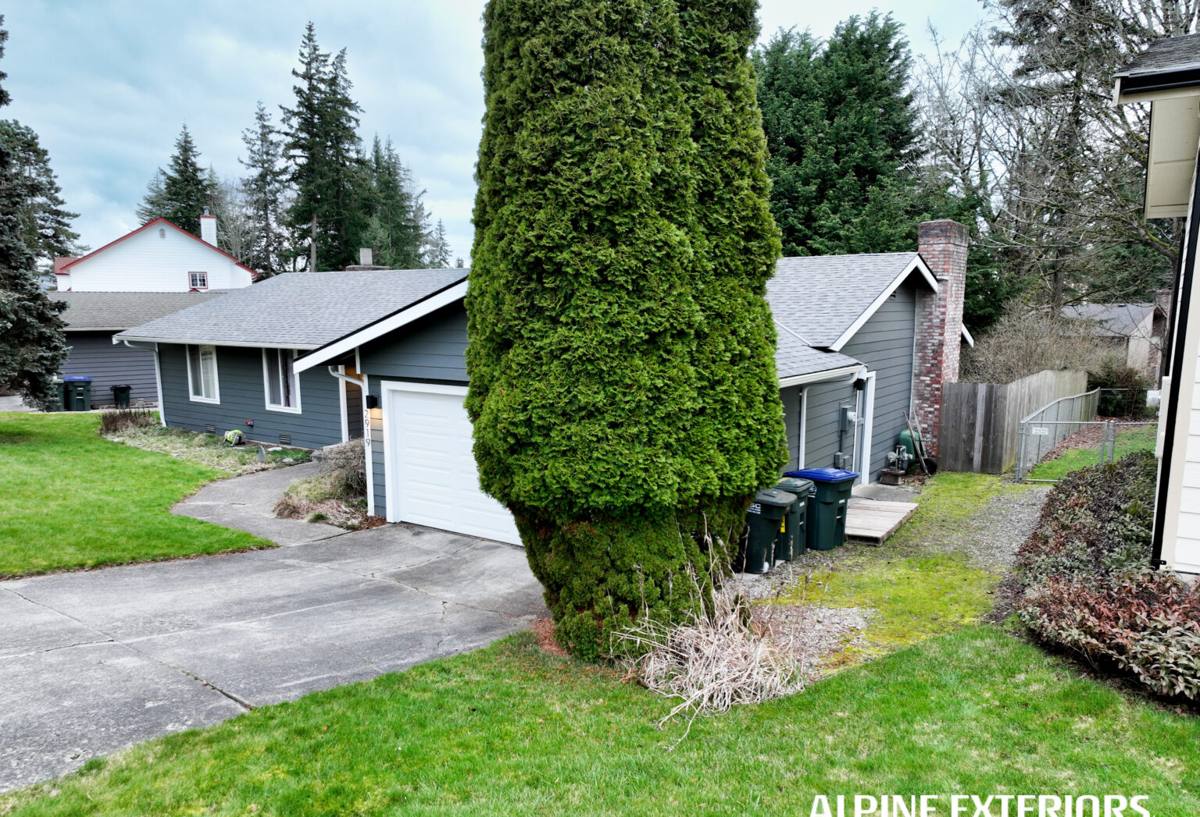
The Siding Damage We Most Often Find in Oldsmar
Storm and Wind Damage
Tropical systems and seasonal thunderstorms bring wind gusts strong enough to lift panel edges, crack brittle siding on impact from debris, and drive rain up under laps that were never meant to be hit from that angle. Vinyl siding is especially prone to cracking or blowing off outright in high wind, since it's a thinner material fastened with expansion in mind, not rigidity.
Moisture Intrusion Behind the Surface
This is the damage that worries us most, because it's invisible until it isn't. Wind-driven rain finds its way behind poorly sealed seams, failed caulk joints, or siding that was never flashed correctly at windows and trim. Once moisture gets behind the cladding, it can sit against the wall sheathing for months, leading to soft wood, mold growth, and rot — long before a stain or bubble shows up on the outside.
Sun-Related Fading and Material Fatigue
Florida's UV load is relentless. Painted wood and lower-grade siding products chalk, fade, and become brittle faster here than in most of the country. Repeated expansion and contraction from heat cycling also stresses caulk joints and fastener points, which is why gaps and cracks tend to show up first at corners, seams, and trim edges rather than in the middle of a flat panel.
What a Correct Siding Repair Actually Involves
A repair that's done right starts with figuring out what's happening behind the siding, not just what's visible on top of it. We check for soft or spongy sheathing near the damaged area, look at how the house wrap and flashing are performing around windows, doors, and trim, and confirm whether moisture has traveled beyond the immediate spot of visible damage. Skipping this step is how a "quick patch" ends up needing to be redone within a year or two.
Once we know what we're dealing with, a proper repair typically includes:
- Removing damaged or compromised panels back to solid, dry material — not just the visibly cracked section
- Inspecting and repairing house wrap or flashing underneath before anything new goes back on
- Replacing rotted or damaged sheathing if moisture has been sitting behind the siding
- Installing new siding material fastened and lapped correctly for proper water shedding
- Re-sealing joints, trim, and penetrations with materials rated for Florida's UV and humidity exposure
- Matching color and profile as closely as possible so the repair doesn't stand out
Repair or Replace? How We Make That Call
Not every damaged section needs a full re-side, and we're not going to tell you that it does. But there's a point where patch-repairing old or failing siding stops making financial sense. Here's generally how we think through it:
| Factor | Repair Usually Makes Sense | Replacement Usually Makes Sense |
|---|---|---|
| Extent of damage | Isolated to one or two areas (impact damage, a failed seam) | Damage spread across multiple elevations |
| Age of existing siding | Siding is relatively young and otherwise sound | Siding is nearing or past its expected service life |
| Moisture findings | Sheathing behind the damage is still dry and solid | Rot, mold, or sustained moisture is found behind panels |
| Material match | Matching material or paint is realistically available | Discontinued color/profile makes a seamless patch impossible |
| Underlying material | Sound fiber cement or comparable product | Vinyl, LP SmartSide, or wood already showing systemic wear |
Why Our Repairs Use James Hardie, Not Whatever Was There Before
When a repair calls for replacing a section of siding rather than patching it, we install James Hardie fiber cement — full stop. We don't stock or install vinyl, LP SmartSide, Cemplank, Allura, or primed wood, even for a small repair job. There's a practical reason for that beyond preference: patching failing siding with more of the same failing material doesn't solve the underlying problem, it just delays it.
James Hardie's HZ5 product line is engineered specifically for climates like ours — high humidity, intense sun, and wind-driven rain. It's non-combustible fiber cement, it doesn't absorb moisture the way wood-based products can, and its ColorPlus factory finish is baked on to resist the fading that plagues field-painted siding under Florida sun. When we replace a damaged section, we want that repair to outlast the original problem, not just cover it up. If your home currently has a different siding product, we'll be straightforward with you about what that means for future repairs and when full replacement becomes the more sensible move.
Our Siding Repair Process for Oldsmar Homes
- On-site inspection. We look at the visible damage and check surrounding areas, trim, and penetrations that tend to fail together.
- Moisture and sheathing check. We confirm whether water has reached the wall assembly behind the siding before we quote anything.
- Written scope and estimate. You get a clear explanation of what's being repaired, what it involves, and why — no vague line items.
- Material matching. We source James Hardie panels, trim, and color to blend with your existing siding as closely as possible.
- Removal and repair. Damaged material comes off, any compromised sheathing or flashing gets addressed, and new material goes on correctly lapped and fastened.
- Sealing and finishing. Joints, trim, and penetrations are sealed with products suited to Florida's heat and humidity cycling.
- Final walkthrough. We show you the completed work and explain what to keep an eye on going forward.
What Happens When Siding Repairs Get Put Off
Deferred siding repair rarely stays a small problem in this climate. A cracked panel that lets in wind-driven rain during one storm season can, by the next, have soaked the sheathing behind it enough to start rot or attract pests looking for a damp, sheltered spot. Mold growth inside the wall cavity is a slower but just as real risk, and it's far more expensive to remediate than it would have been to seal a gap early. Homes near Tampa Bay's humidity and heat also see energy costs creep up once insulation gets wet, since damp insulation loses much of its effectiveness. Addressing damage while it's still isolated is almost always cheaper than waiting until it spreads.
Signs Your Oldsmar Home May Need Siding Repair
- Visible cracks, splits, or holes in siding panels, especially after storm season
- Panels that appear warped, bowed, or separated from the wall
- Soft or spongy spots when you press gently on the siding
- Peeling paint, bubbling, or staining that keeps returning in the same spot
- Gaps opening up at seams, corners, or trim joints
- A musty smell near an exterior wall, which can point to trapped moisture
- Visible daylight or drafts around window and door trim
- Rising cooling bills without an obvious cause
Why Hiring a Crew That Already Works in Oldsmar Matters
Siding repair isn't a one-size-fits-all trade, and local experience shows up in the details. A crew that already works throughout Pinellas County knows how homes in this area were typically built, what siding materials are common in Oldsmar's older and newer neighborhoods, and how coastal humidity and salt exposure tend to show up in the damage patterns we see repeatedly. That familiarity means a faster, more accurate diagnosis instead of guesswork, and it means we can respond quickly when storm damage needs attention before the next round of rain makes it worse. It also means we're not learning local permitting or inspection expectations on your project — we already know them.
If you're dealing with cracked, damaged, or aging siding on your Oldsmar home, we're happy to take a look and give you an honest read on what it needs — a targeted repair or something more. Reach out for a free, no-pressure estimate using the form below.