 Clearwater Window
 Downtown Clearwater Homes Face a Tougher Climate Than the Rest of the Country
Downtown Clearwater sits close to open water, which means the siding on these homes takes a harder hit than siding almost anywhere inland. Between hurricane-force wind events, near-constant UV exposure, wind-driven rain, and salt air drifting in off the Gulf and Clearwater Harbor, exterior cladding here ages faster and fails sooner if it isn't chosen and installed correctly. A siding installation that would hold up fine in a drier, calmer climate can start showing cracks, swelling, or fading within a few years in Pinellas County. This page is about one job, done right, for one part of Clearwater: siding installation for the homes in and around the downtown core.
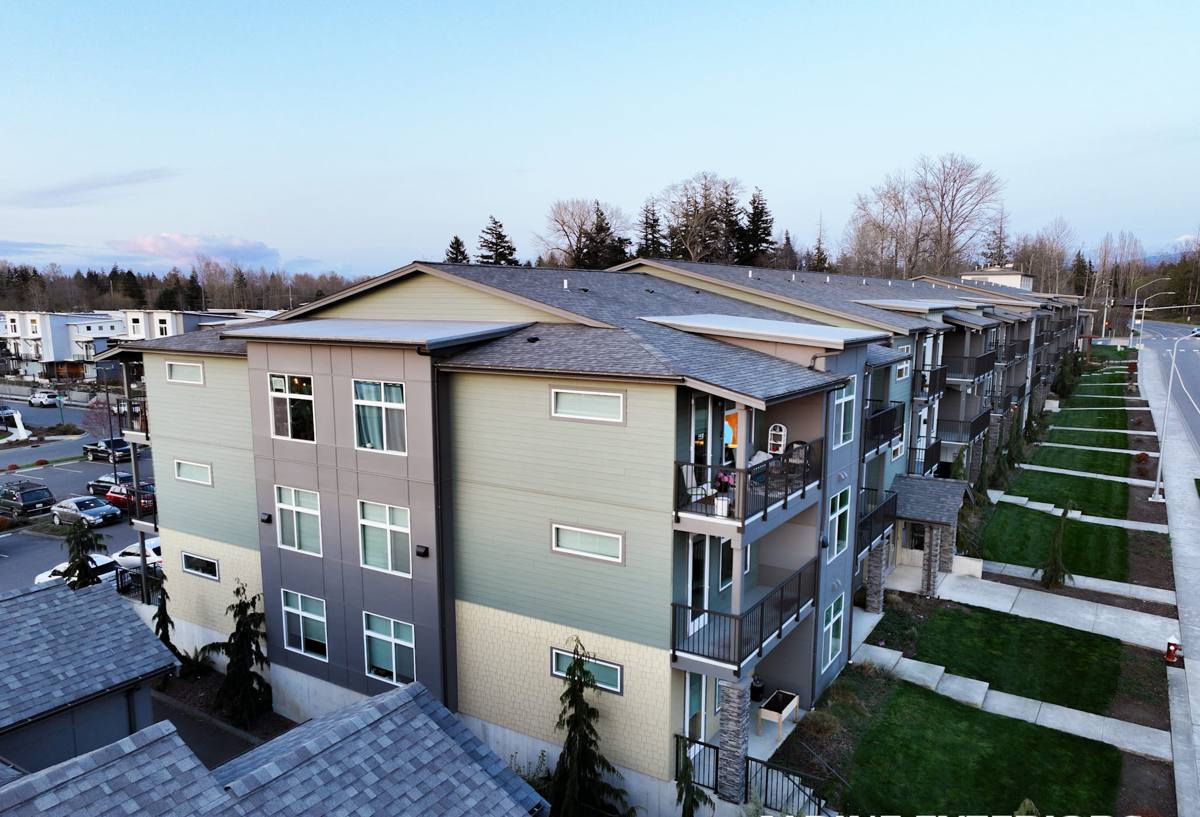
What This Climate Actually Does to Siding
Wind Load and Storm Impact
Florida Building Code requires siding assemblies in this region to be engineered and fastened for high wind pressure and wind-borne debris. That's not a formality — it's the difference between siding that stays attached through a tropical storm and siding that peels off panel by panel. Fastener type, fastener spacing, and how panels are engaged at the joints all matter more here than they would in a low-wind region.
Year-Round UV Exposure
Central Florida gets intense sun exposure essentially year-round, not just in summer. Siding materials that rely on a painted or coated surface for their color take constant UV bombardment, and lower-quality finishes chalk, fade, or crack under that kind of exposure. Whatever goes on a downtown Clearwater home needs a finish system engineered for sun, not just rated for it.
Wind-Driven Rain and Moisture Cycling
Storms here don't just bring rain, they drive it sideways into wall assemblies. Siding and the water-resistive barrier behind it need to shed that water and let any moisture that does get behind the cladding dry out. Materials that absorb water and hold onto it swell, warp, or rot from the inside, and that damage is often invisible until it's advanced.
Salt Air and Corrosion
Being close to the harbor and the Gulf means airborne salt settles on everything, including exterior walls and the fasteners holding the siding on. Salt exposure accelerates corrosion in unprotected metal and breaks down materials that aren't built to resist it. This is a slow, constant process, and it's one of the main reasons siding that looks fine on day one can look tired within a handful of years in a coastal zone like this.
What a Correct Siding Installation Actually Involves
Siding installation is not just nailing boards to a wall. A correct installation in this climate involves several layers working together, and skipping or rushing any one of them is where most siding failures start.
Substrate and Moisture Barrier
Before any siding goes up, the sheathing underneath has to be sound, and a proper water-resistive barrier needs to be installed and lapped correctly so water is directed out and down, not trapped behind the wall. Any rot, soft sheathing, or existing moisture damage needs to be addressed at this stage — covering it over with new siding doesn't fix it, it just hides it.
Fastening to Manufacturer and Code Spec
Fastener type, length, spacing, and placement all have to match the manufacturer's specifications for the local wind zone. Under-fastening or using the wrong fastener is one of the most common shortcuts taken on rushed jobs, and it's exactly the kind of shortcut that shows up as blown-off siding during the next major storm.
Joints, Flashing, and Trim
Every seam, corner, window, and door opening is a place water can get behind the siding if it's not flashed and sealed correctly. Panels need proper gaps and joint treatment for expansion, and trim details need to shed water away from the wall rather than channeling it inward. This is detail work, and it's where experience shows.
Why We Install Only James Hardie Fiber Cement Siding
We standardized on James Hardie fiber cement siding for every siding installation we do, including the work we do in downtown Clearwater, because it holds up to this exact climate better than the alternatives when it's installed correctly. Fiber cement doesn't burn, doesn't attract termites, and doesn't absorb and swell with moisture the way wood-based or engineered wood products can. Hardie's ColorPlus finish is a factory-applied, baked-on finish engineered specifically to resist UV fading and cracking better than field-applied paint, which matters enormously in a climate with this much sun exposure. Hardie also offers HZ5 product lines engineered for high-humidity, storm-prone climates, which is the right specification for this part of Florida. We don't install vinyl, LP SmartSide, or other engineered wood or fiber cement alternatives — not because those products don't have a place somewhere, but because we've made a professional decision to put one system on homes that we're confident holds up to Gulf Coast conditions long-term, and we'd rather stand behind one product line we trust completely than offer several we have reservations about.
Our Process for Downtown Clearwater Siding Projects
Assessment and Inspection
We start by inspecting the existing siding, sheathing, and trim to understand what's actually happening behind the wall, not just what's visible from the street. This tells us whether we're dealing with a straightforward re-side or whether there's underlying moisture or structural damage that needs to be addressed first.
Protecting the Property
Downtown Clearwater has a mix of older homes on smaller lots and closer setbacks, so protecting landscaping, walkways, and neighboring property during tear-off and installation is part of the plan from day one, not an afterthought.
Removal and Substrate Repair
Old siding comes off, the sheathing gets inspected and repaired as needed, and the water-resistive barrier goes on correctly before a single piece of new siding is installed. This is the step that gets skipped on corner-cutting jobs, and it's the one that determines whether the new siding lasts.
Installation to Spec
Hardie siding goes up following the manufacturer's fastening schedule for this wind zone, with proper joint treatment, flashing, and trim detailing at every window, door, and corner.
Final Walkthrough
We do a final inspection with the homeowner, clean up the site, and make sure every detail — caulking, paint lines, trim — is finished the way it should be, not just functional.
Choosing the Right Hardie Product for This Neighborhood
Downtown Clearwater has a mix of home styles, from older bungalow-type construction to newer builds, and the right Hardie product depends on the look and the wall assembly. Here's how the main options typically compare for a project like this:
| Product | Best Fit | Key Advantage |
|---|---|---|
| HardiePlank Lap Siding | Traditional and craftsman-style homes | Classic horizontal lap look, wide color and texture range |
| HardiePanel Vertical Siding | Modern builds or accent walls | Clean vertical lines, often paired with board-and-batten trim |
| HardieTrim | Corners, window and door surrounds | Matches ColorPlus finish, resists the same UV and moisture stress as the field siding |
| ColorPlus Finish | Any of the above | Factory-baked finish engineered for UV and coastal exposure, backed by its own finish warranty |
What Drives the Cost of a Siding Installation Here
Every home is different, but the same handful of factors drive cost on most downtown Clearwater siding projects. Knowing them upfront makes it easier to understand a quote when you get one.
| Factor | Why It Matters |
|---|---|
| Home size and wall complexity | More square footage and more corners, gables, and dormers means more material and labor |
| Substrate condition | Rotten or damaged sheathing found during tear-off adds repair scope before new siding can go on |
| Product and finish selection | Panel style, texture, and ColorPlus color all affect material cost |
| Trim and detail work | Homes with more windows, doors, and architectural trim take more time to flash and finish correctly |
| Access and site conditions | Smaller lots, tight setbacks, and mature landscaping can add time for protection and staging |
Signs Your Downtown Clearwater Home May Need New Siding
Some warning signs are obvious from the street, others take a closer look. If several of these apply to your home, it's worth having someone take a look before small problems turn into bigger ones:
- Visible cracking, warping, or buckling in siding panels
- Paint that's peeling, chalking, or fading unevenly across the wall
- Soft spots, staining, or a musty smell near exterior walls, especially near windows and corners
- Siding that feels spongy or damaged after storms with heavy wind-driven rain
- Visible gaps at seams, corners, or trim where water could be getting behind the wall
- Siding that's noticeably older than the rest of the home's major systems and has never been replaced
Why Hiring a Crew That Already Works This Neighborhood Matters
Siding installation done to the letter of a spec sheet in a mild climate is a different job than siding installation done correctly for a home a few blocks from Clearwater Harbor. A crew that regularly works in downtown Clearwater already understands the wind exposure, the salt air, and the storm patterns specific to this part of Pinellas County, and builds every detail — fastening, flashing, joint treatment — around that reality instead of a generic installation guide. That local experience is what keeps a siding job looking and performing the way it should years after the crew has left, not just on installation day.
If you're considering new siding for a home in downtown Clearwater, we're happy to take a look and walk you through what your home actually needs — no pressure, no obligation. Fill out the form below to schedule a free estimate.