 Clearwater Window
 Why Seminole Homes Take a Beating on Their Exterior
Seminole sits in Pinellas County between the Gulf and Tampa Bay, close enough to open water that salt-laden air reaches every block, not just the waterfront streets. Add in Florida's intense year-round UV exposure, wind-driven rain that finds every gap in a wall assembly, and the real risk of hurricane-force winds during storm season, and you have one of the harder climates in the country to keep a house exterior looking good and performing well. Siding here isn't just a cosmetic layer. It's the first line of defense against moisture intrusion, wood rot, and wind damage, and it has to hold up to conditions that would degrade a lot of common siding materials within a decade or two.
We install James Hardie fiber cement siding exclusively. Not vinyl, not LP SmartSide, not cedar or primed spruce. That's a deliberate standard, not a sales pitch, and it comes from seeing how different materials actually perform once they've spent a few Florida summers and a couple of tropical systems facing the weather described above.
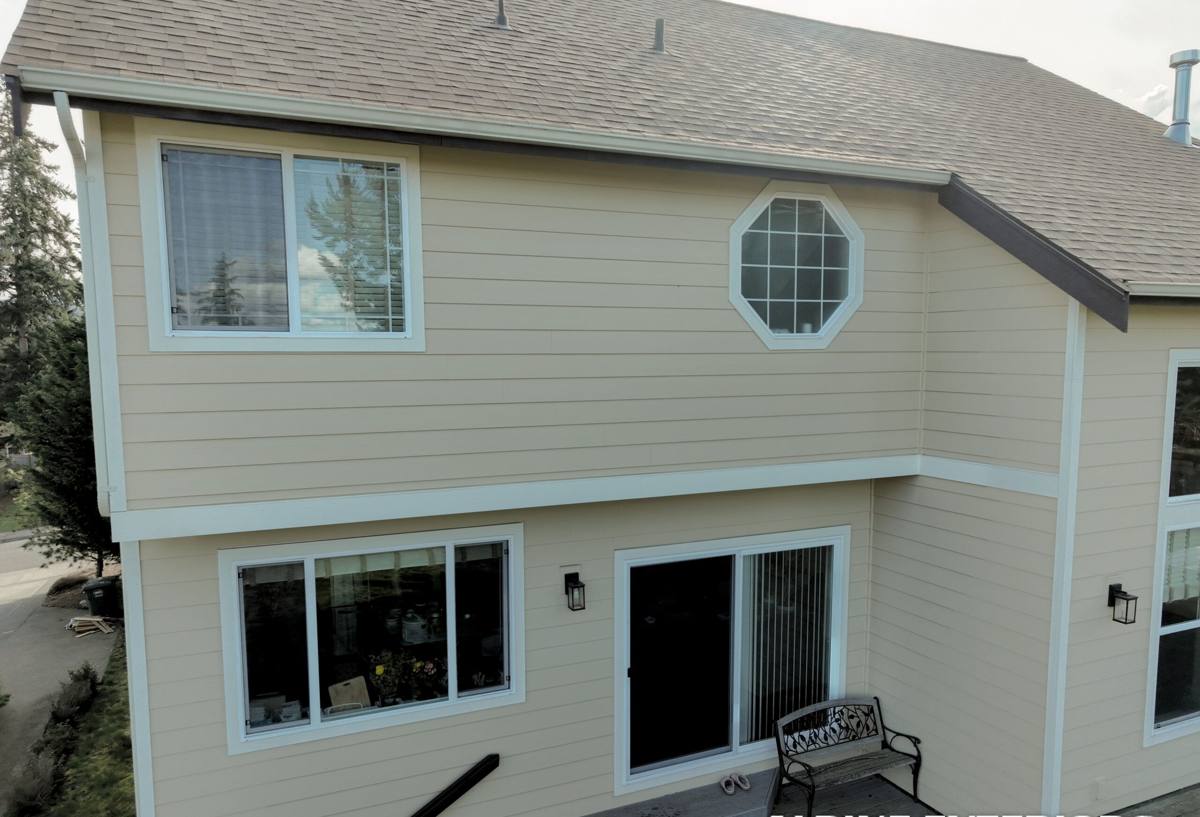
What Seminole's Climate Actually Does to Siding
Salt Air and Humidity
Airborne salt accelerates corrosion of fasteners and metal trim, and it combines with Florida's near-constant humidity to keep painted and coated surfaces damp longer than they'd stay in a drier climate. Materials that rely on a surface coating for protection tend to show chalking, fading, and finish breakdown sooner here than the same product would inland.
UV Exposure
Florida gets some of the most direct, sustained sun exposure in the continental U.S. UV breaks down pigments and resins over time, which is why paint jobs on homes here often need refreshing well before the paint can on the shelf would suggest.
Wind-Driven Rain and Moisture Intrusion
Summer storms in this part of Pinellas County don't just drop rain straight down — wind pushes it sideways, into seams, laps, and any gap around windows or trim. Siding systems that trap or wick moisture, or that swell and warp when they get wet, create an ongoing maintenance headache and, eventually, rot behind the wall.
Hurricane and Tropical Storm Wind Loads
Seminole falls within Florida's hurricane wind zones, which means siding attachment isn't optional detail work — it's a structural requirement. Fastener pattern, nailing schedule, and product wind ratings all matter far more here than they would in a low-wind-zone state.
Why We Standardized on James Hardie
James Hardie fiber cement is engineered from cement, sand, and cellulose fiber. It doesn't rot, it isn't a food source for termites, and it's non-combustible — a real advantage for insurance and peace of mind alike. For homes in a coastal wind zone like Seminole's, the two features that matter most are the HZ5 climate-engineered formulation, built specifically for high-humidity, wind-driven-rain environments like ours, and the ColorPlus factory finish, a baked-on finish system that resists fading and chalking far better than field-applied paint.
We're not going to tell you every other siding material is worthless — that's not honest, and it's not our call to make about a competitor's product line. What we will say is that after years of doing exterior work in this exact climate, fiber cement from James Hardie is what we're willing to put our name behind and warranty. Vinyl can warp and fade in sustained heat and UV, and it isn't rated for the same wind exposure as fiber cement. Engineered wood products like LP SmartSide use wood-strand cores that are more vulnerable to moisture intrusion at cut edges and seams — a real liability in a climate where wind-driven rain is a regular event. Cedar and primed spruce are natural wood, which means ongoing painting, sealing, and vulnerability to rot and insects almost regardless of how well they're maintained. Those are trade-offs, not failures, but they're trade-offs we decided not to install behind our name in this climate.
What a Correct James Hardie Installation Actually Involves
James Hardie manufactures a well-engineered product, but the performance you actually get depends heavily on installation. This is where a lot of the "siding failed" stories actually originate — not with the material, but with shortcuts taken during the install.
Fastening and Wind Resistance
Correct nailing pattern and fastener spacing are what give the assembly its actual wind rating. Skipping studs, under-fastening, or using the wrong fastener type undermines the wind performance you're paying for — especially relevant given Seminole's hurricane wind zone.
Clearances and Moisture Management
Hardie's install specifications call for specific clearances from rooflines, decks, and grade, plus proper flashing at every window, door, and penetration. These details are what actually keep wind-driven rain from getting behind the siding — the material itself is only half the equation.
Joints, Caulking, and Butt Joints
Improperly sealed or unsupported butt joints are one of the most common failure points on fiber cement jobs done by crews unfamiliar with the product. Done right, joints are backed, gapped correctly, and sealed with a product rated for the application.
Painting and ColorPlus Touch-Up
ColorPlus finish comes factory-applied and doesn't need field painting, but cut edges and any field-touch-up need the correct Hardie-matched product to maintain the finish warranty and keep the color consistent over time.
Our Process for Seminole Projects
- Inspection and assessment — we look at your current siding, sheathing condition, and any moisture or rot issues before quoting anything.
- Product and line selection — we help you choose the right Hardie plank profile, texture, and ColorPlus color for your home and neighborhood.
- Prep and moisture barrier — old siding removal, sheathing repair where needed, and installation of a code-compliant weather-resistive barrier.
- Installation to Hardie and local wind-zone specification — correct fastening, clearances, and flashing at every penetration.
- Trim, joints, and final detailing — sealed joints, corners, and trim work finished to a clean, consistent line.
- Final walkthrough — we review the finished job with you before we consider it done.
Choosing the Right Hardie Product Line
James Hardie makes several siding profiles and product lines, and the right choice depends on your home's style and what look you're going for. All of them are available with ColorPlus factory finish.
| Product Line | Look | Best For |
|---|---|---|
| HardiePlank Lap Siding | Classic horizontal lap, several textures | Most Seminole single-family homes, traditional and updated styles |
| HardiePanel Vertical Siding | Vertical panel with battens | Modern or accent-wall looks, gables, porches |
| HardieShingle | Staggered or straight-edge shingle profile | Coastal cottage and craftsman-style homes |
| HardieTrim | Matching trim boards | Window, door, and corner detailing on any project |
What Affects the Cost of a Seminole Siding Project
Every home is different, but the same handful of factors drive most of the cost variation we see on Seminole jobs:
- Total square footage and number of stories
- Condition of the existing sheathing and whether repairs are needed before install
- Product line and profile selected (lap, panel, or shingle)
- Amount of trim, corner, and detail work around windows, doors, and rooflines
- Removal and disposal of existing siding material
- Accessibility of the home (multi-story, tight lot lines, landscaping to work around)
We give straightforward, itemized estimates so you know what's driving the number, rather than a single lump figure.
Why It Matters That We Already Work in Seminole
A crew that regularly works Pinellas County homes already understands the local wind-zone requirements, the permitting expectations, and the way this climate actually treats an exterior over time — not in theory, but from having done the work here. That familiarity shows up in the details: knowing which flashing details actually hold up to a Gulf-side summer storm, understanding what inspectors in this area look for, and being available if a warranty question or maintenance question comes up years down the line. Siding is a long-term investment in your home; it's worth hiring a crew that isn't learning this climate on your project.
Maintenance and Long-Term Care
One of the practical advantages of James Hardie with ColorPlus finish is how little ongoing maintenance it needs compared to wood or field-painted siding. That said, a few habits help any exterior hold up longer in this climate:
- Rinse the exterior periodically to clear salt residue and airborne debris, especially on homes closer to open water
- Keep gutters clear so water isn't running down or pooling against the siding
- Trim vegetation back from siding to allow airflow and reduce trapped moisture
- Have caulking and joints inspected every few years, particularly after a significant storm
- Address any impact damage or cracked panels promptly rather than letting moisture get behind them
Is It Time to Replace Your Siding?
Common signs it's time to start planning a replacement in this climate include visible warping or soft spots, paint that's chalking or peeling repeatedly despite refreshing it, cracked or missing panels after storm season, and rising energy bills that suggest the wall assembly isn't performing the way it should. If you're seeing any of these, it's worth getting a professional look before small issues turn into sheathing repairs.
If you're weighing a siding project for your Seminole home, we're happy to come take a look and walk you through what we'd recommend, with no pressure and no obligation. Fill out the form below to request a free estimate.