 Clearwater Window
 Roof Repair in Oldsmar: What the Climate Puts Your Roof Through
Oldsmar sits on the upper edge of Tampa Bay in Pinellas County, and that location means your roof does double duty. It has to shed wind-driven rain off the bay, survive the same hurricane-force gusts that hit the rest of the county, and hold up under sun exposure that runs nearly year-round. Add in salt-laden air moving off the water and you have a combination that ages roofing materials faster than it would inland or up north.
None of that means an Oldsmar roof is doomed to constant problems. It means small issues need to get caught and fixed before they become big ones, and repairs need to be done correctly the first time. A patch job that looks fine from the ground can fail in the next storm if it wasn't tied properly into the surrounding roofing system.
Oldsmar's housing stock spans decades of construction, from older homes with roofs well past their original installation to newer builds with more current wind-rated materials. That range matters for repair work: an older roof may have already used up much of its service life before storm damage ever shows up, while a newer roof with an isolated problem is often a straightforward fix. Knowing where your roof falls on that spectrum changes how a repair should be approached.
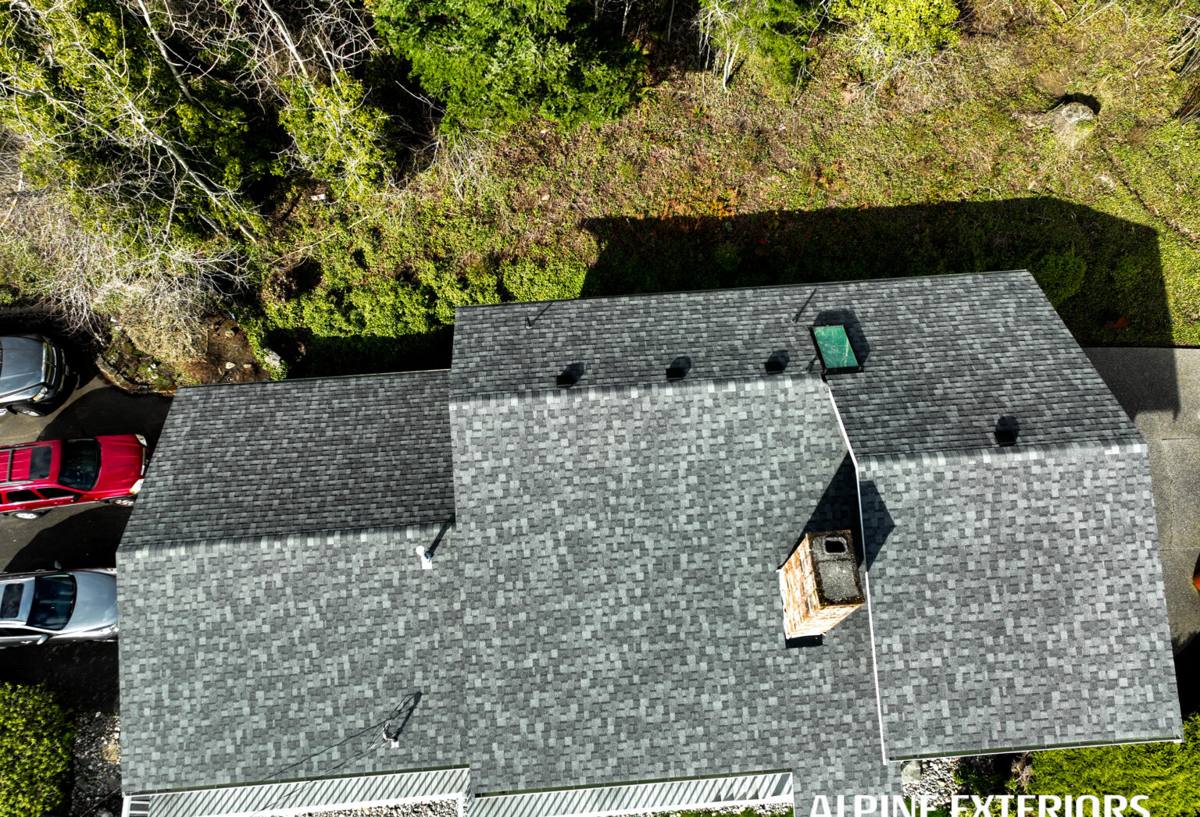
Signs an Oldsmar Roof Needs Repair
Most roof problems don't announce themselves with a dramatic leak. They show up as small, easy-to-miss clues first. Homeowners who catch these early usually pay for a repair instead of a much bigger job later.
- Shingles that are cracked, curling at the edges, or missing entirely after a windstorm
- Granules collecting in gutters or at the base of downspouts
- Soft or discolored spots on interior ceilings, especially after heavy rain
- Visible daylight through the attic decking
- Rusted, lifted, or missing flashing around chimneys, vents, and skylights
- Dark streaking or moss growth in shaded, humid areas of the roof
- Sagging sections, which can point to deck or structural issues underneath
- Musty odors or unusually high humidity in the attic, which can signal a slow leak or poor ventilation
If you notice any of these after a storm rolls through Pinellas County, it's worth having someone look before the next round of rain finds the weak spot.
What a Correct Roof Repair Actually Involves
A roof repair is more than swapping out a few damaged shingles. Done right, it starts with an honest look at what's happening underneath the surface layer, not just the part you can see from the ground or the attic hatch.
Diagnosing the Real Problem
Water rarely shows up where it enters. A stain on a ceiling in one room can trace back to a flashing gap several feet away. A proper repair starts by tracing the path of the damage, not just patching the spot that's visible, so the fix addresses the actual entry point instead of masking a symptom.
Matching Materials and Technique
Repairs need to match the existing roofing system in material, profile, and fastening method. Mismatched shingles or improperly sealed flashing create new weak points even if the immediate leak stops. This matters especially in Oldsmar, where wind uplift resistance depends on every course being fastened and sealed the way it was designed to be.
Sealing Against Wind-Driven Rain
Straight-down rain is rarely the problem here. It's rain pushed sideways and upward by strong wind that finds its way under loose shingles, through gaps in flashing, or around poorly sealed vent boots. A repair that only addresses the surface without checking underlayment and flashing integrity often fails in the next storm.
Documenting the Work
For repairs tied to storm damage, having clear documentation of what was found and what was fixed matters, both for your own records and for insurance purposes. A repair invoice that vaguely says "patched roof" is far less useful than one that specifies the location, cause, and materials used.
Common Roofing Materials on Oldsmar Homes
The repair approach depends heavily on what's already on the roof. Each material has its own failure points and its own repair considerations in this climate.
| Material | Typical Weak Points | Repair Considerations |
|---|---|---|
| Asphalt shingle | Wind-lifted or missing tabs, cracked seals, granule loss from UV exposure | Matching shingle age and color; re-sealing tabs; checking underlayment condition |
| Tile (concrete or clay) | Cracked or slipped tiles, deteriorated underlayment beneath sound-looking tile | Careful tile removal and replacement without damaging surrounding pieces; underlayment often needs attention even when tiles look fine |
| Metal panel | Fastener backout, sealant failure at seams and penetrations, minor denting | Re-fastening with proper gaskets, resealing seams, matching panel profile |
| Flat or low-slope | Ponding water, seam separation, membrane blistering from UV | Membrane-specific patching or seam repair; identifying drainage issues that cause repeat problems |
Whatever is on your roof, the repair should account for how that specific material ages under Florida sun and salt air, not a generic patch approach applied the same way regardless of what's actually installed.
Our Roof Repair Process
We keep the process straightforward so you know what's happening at each stage, from the first look to the final walk-through.
1. On-Site Inspection
We walk the roof and the attic when accessible, looking for the source of the problem rather than just the visible symptom.
2. Honest Assessment
We tell you what we find, including whether a repair makes sense or whether the roof is old enough or damaged enough that replacement is the more cost-effective path. We're not interested in patching a roof that needs to be replaced in a year.
3. Written Scope and Estimate
You get a clear description of the work and a price before anything starts. No guessing at what's included.
4. The Repair Itself
We match materials, properly seal and flash the repaired area, and clean up the work site when finished.
5. Follow-Up
If something about the repair doesn't hold up as expected, we want to know. A repair should solve the problem, not create a callback.
Repair or Replace? How We Help You Decide
Not every roof problem calls for a full replacement, and not every leak can be permanently solved with a patch. The right call depends on a few honest factors.
| Factor | Leans Toward Repair | Leans Toward Replacement |
|---|---|---|
| Roof age | Well within expected lifespan for the material | Near or past the material's typical service life |
| Extent of damage | Isolated to one area or a single cause | Multiple areas showing wear, or recurring leaks in different spots |
| Underlying deck condition | Solid, undamaged decking beneath the surface | Soft, rotted, or water-damaged decking |
| Storm damage pattern | Limited, localized wind or debris damage | Widespread damage across large sections |
| History of repairs | First or infrequent repair needed | Repeated repairs to the same or nearby areas |
We'll walk you through where your roof falls on this list and let you make the call with real information, not pressure toward the bigger job.
Why a Crew That Already Works in Oldsmar Matters
A roofing crew that regularly works Oldsmar and the surrounding Pinellas County area has already seen how local roofs age, which flashing details tend to fail first in this climate, and what a properly wind-rated repair needs to look like to hold up through hurricane season. That familiarity shows up in faster, more accurate diagnosis and repairs that are built for the conditions your roof actually faces, rather than a one-size-fits-all approach.
It also means someone who can respond promptly when storm season brings sudden damage, and who understands local permitting requirements for roofing work when a repair is significant enough to require one. A crew that's unfamiliar with the area is starting from zero on both counts, which can slow things down right when speed matters most.
Roof Repair Checklist for Oldsmar Homeowners
- Walk the exterior after any significant storm and look for missing or displaced shingles or tiles
- Check gutters and downspouts for granule buildup, which signals shingle wear
- Look at interior ceilings for new stains, especially in rooms below roof valleys or penetrations
- Have flashing around chimneys, skylights, and vents inspected periodically, not just when a leak appears
- Keep an eye on any roof area shaded by trees for moss or algae growth
- Don't ignore a small stain assuming it will dry out and stop; get the source checked
- Ask for a written scope of work before agreeing to any repair
- Keep repair records and photos, which can help with future insurance claims or resale
Maintaining Your Roof Between Repairs
A repair fixes what's broken, but a little routine attention between repairs goes a long way in this climate. Keeping trees trimmed back from the roofline reduces both abrasion damage and debris buildup in valleys. Clearing gutters regularly prevents water from backing up under the roof edge during heavy rain. And after any named storm passes through Pinellas County, a quick visual check from the ground, no need to climb up, can catch obvious damage before the next rain event makes it worse.
If you're not sure whether something you're seeing is worth a service call, it usually is. Catching a small issue early is almost always less disruptive and less costly than dealing with the water damage that follows a roof problem left alone.
If you have a roof issue in Oldsmar or anywhere else in the Clearwater area, we're happy to take a look and give you a straight answer about what it needs. Fill out the form below for a free, no-pressure estimate.