 Clearwater Window
 Palm Harbor sits inland from the immediate Gulf coastline but still well within reach of everything a Pinellas County storm season throws at a house — hurricane-force wind gusts, wind-driven rain, salt-laden air pulled off the water, and some of the most sustained, intense UV exposure in the country. Homes in this part of the county went up in waves across different decades, so the windows already in the walls range from original single-pane aluminum units older than the roof above them to newer double-pane replacements that were never actually rated for the wind loads current code requires. Getting a window installation right here means understanding both what the specific house needs and what the climate is going to keep testing for as long as that window sits in the opening.
Why Palm Harbor Homes Need Window Work Done Right
Three things push window installation in Palm Harbor beyond a simple swap-and-go job more often than homeowners expect. First, the age spread in the housing stock — ranch-style homes from the 1970s and 80s sit alongside newer construction and remodeled properties, and each era brought different opening sizes, framing methods, and window technology. Second, the exposure — while Palm Harbor isn't beachfront, it's close enough to the Gulf and to inland waterways that homes still take real wind load during hurricane season and real wear from salt air the rest of the year. Third, code — Pinellas County's wind-borne debris and impact requirements apply broadly across the county, and an older home's original windows almost never meet the standard a replacement has to meet today.
None of that makes a window project complicated by default. It just means the job starts with an honest look at the house — its age, its exposure, and what's actually holding the current windows in place — before anyone talks about which unit to order.
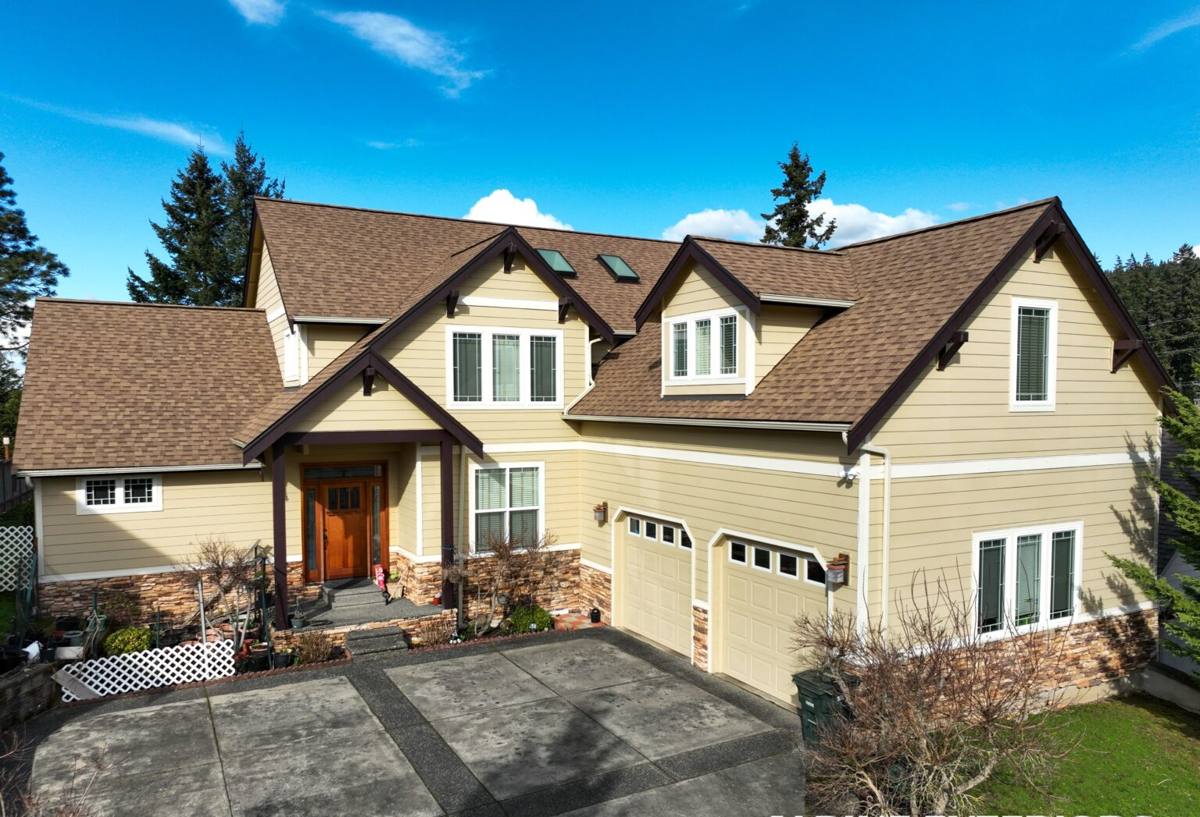
What the Climate Actually Does to Windows Here
Clearwater-area homes, Palm Harbor included, deal with a specific combination of stress that most window products and installation methods weren't originally designed around. Hurricane-force wind events put direct pressure on glass and frames, and that pressure finds any weakness in the attachment or the glazing before it finds anything else. Year-round, intense UV breaks down lower-grade vinyl, weatherstripping, and sealants faster than in a milder climate, which shows up as yellowing, brittle gaskets, and seals that give out well before a homeowner expects them to. Wind-driven rain — not just during named storms, but during ordinary summer squalls — pushes water sideways into wall assemblies and finds any flashing detail that wasn't done correctly. And salt air, even set back from the immediate coast, works on hardware, fasteners, and screen frames continuously, not just when a storm passes through.
Individually, none of those forces are unique to Palm Harbor. What's specific to this part of Pinellas County is that a home gets all four at once, year-round, without much of a break — which is exactly why an installation method that would hold up fine somewhere with a milder climate can fail here years ahead of schedule.
Where Problems Actually Start
On most failed window installations we're called out to look at, the glass itself isn't the problem. It's the perimeter — a sill that wasn't flashed to shed water outward, a frame that was set with expanding foam and a bead of caulk instead of proper mechanical anchoring, weatherstripping that was never rated for sustained UV exposure. Those are installation decisions, not product defects, and they're the difference between a window that's still tight and quiet after several hurricane seasons and one that's leaking or rattling within a couple of years.
Signs a Palm Harbor Home Needs Window Attention
Homeowners usually notice a problem well before they can name the cause. These are the signs worth acting on rather than watching for another season:
- Visible daylight or a draft around the frame when the window is fully closed and locked
- Foggy or hazy glass on double-pane units, which means the seal between the panes has failed
- Difficulty opening, closing, or locking a window that used to operate smoothly
- Soft or discolored drywall, trim, or sill area near a window after heavy rain
- Frames that are chalky, cracked, or visibly sun-damaged, especially on south- and west-facing walls
- Corroded or seized hardware, hinges, or locks — a common sign of long-term salt air exposure
- Noticeably higher cooling bills without another clear explanation
Any one of these can be minor on its own. Several at once, especially on an older aluminum-frame home, usually means the windows are past the point where repair makes more sense than replacement.
What a Correct Window Installation Job Involves
Assessment and Measurement
We start by field-measuring every opening rather than working from assumptions about "standard" sizes, and we look at the wall's actual exposure — a west-facing wall that takes afternoon sun and prevailing wind gets treated differently in our recommendation than a sheltered, shaded elevation. That assessment is also where we confirm what impact rating the replacement needs to meet current Pinellas County wind-borne debris requirements.
Removal and Opening Prep
Old windows, especially original aluminum units, often reveal issues once they're out — rotted framing, old flashing that was never installed correctly, or a rough opening that's slightly out of square after decades of settling. We check for that before the new unit goes in, and we address it as part of the job rather than treating it as a surprise change order after the fact.
Setting and Anchoring
The new window has to be anchored to actually carry the wind load it's rated for, not just sit in the opening. That means the right fasteners, in the right pattern, into sound structure — not into old, compromised framing that wasn't corrected first. This is one of the most common places we see corners cut on installs done fast or cheap.
Flashing and Weatherproofing
This is the step that decides whether a window stays dry through wind-driven rain or starts leaking within a couple of years. Flashing has to be sequenced correctly — each layer lapped over the one below it — so water is directed out and away from the wall rather than trapped behind the trim. We build this around the specific opening and wall assembly rather than applying one generic method to every house.
Finish, Hardware, and Sealant
Salt air and constant UV go to work on trim, sealant joints, and hardware from day one. We use corrosion-resistant hardware and sealants rated for sustained sun exposure, and we finish the trim to match the home rather than leaving a visibly "just replaced" seam around the new unit.
Window Situations We See Around Palm Harbor
- Original aluminum single-pane replacement — swapping out original-era windows for code-compliant, impact-rated double-pane units
- Failed-seal double-pane units — newer windows with foggy glass from a failed factory seal, often still under a manufacturer warranty worth checking before replacing
- Storm-damaged or cracked units — post-storm replacement where the frame or glass took direct damage
- Whole-home upgrades for insurance or resale — replacing a full set of aging windows to meet current wind mitigation standards, which can also affect homeowners insurance pricing
- Room additions and Florida room conversions — new or reconfigured openings that need windows sized and rated to match the rest of the house
- Lanai and pool-area window replacement — units exposed to near-constant humidity and sun in addition to standard wind and rain exposure
Our Process, Start to Finish
- On-site assessment — we measure every opening, evaluate exposure wall by wall, and check the condition of the existing framing
- Honest recommendation — full-frame replacement, insert replacement, or repair, explained plainly along with the impact rating your home needs
- Ordering and lead time — a realistic timeline, since impact-rated units are typically built to order rather than pulled off a shelf
- Removal and opening prep — old units come out carefully, with any hidden rot, framing, or flashing issues corrected before the new window goes in
- Installation and anchoring — the new unit is set and anchored to meet the wind load requirements for its size and location
- Flashing, sealant, and trim finish — weatherproofing detailed for the specific opening, then trimmed out to match the home's exterior
Costs and Trade-Offs to Understand Before You Order
| Factor | What Changes the Price |
|---|---|
| Replacement type | A full-frame replacement costs more than an insert replacement but is often the right call when the old frame or surrounding structure has damage |
| Impact rating required | Higher wind-load ratings and larger glass areas generally cost more than a standard-rated unit of the same size |
| Opening condition | Rot, prior flashing failures, or out-of-square framing on older homes add repair work before the new unit can go in |
| Frame material | Vinyl and fiberglass typically cost less to maintain long-term in Florida's sun and salt air than a wood exterior finish |
| Number of units | A whole-home order generally has better per-unit pricing than replacing one or two windows at a time |
Frame Material Options for This Climate
Frame material choice matters more here than in a milder climate because of how much UV and salt exposure a frame takes over its lifespan. Vinyl frames are the most common choice for straightforward replacements — they hold up well to sun and moisture and need very little maintenance. Fiberglass frames cost more upfront but offer more dimensional stability, which matters on larger openings. Aluminum, still common on older Palm Harbor homes, is strong and slim-profile but conducts heat and can corrode over time in salt air if it isn't properly finished. Wood offers a look some homeowners want on the interior side, but an all-wood exterior finish is a real ongoing maintenance commitment in this climate — we'll walk through the honest trade-offs for your specific home rather than pushing one material by default.
Why Hiring a Crew That Already Works Palm Harbor Matters
Manufacturer installation guides are written for average conditions, and a Pinellas County home rarely stays "average" for long once hurricane season, salt air, and year-round UV get a few years to work on it. A crew that doesn't regularly install windows in this specific climate can get the impact rating right on paper and still miss the details that actually keep water and wind out — how much a flashing lap needs to overlap here, which anchoring pattern actually holds up under real storm load versus the bare code minimum, when a sealant joint needs extra attention because of constant sun and salt cycling rather than just decorative caulk.
We work in and around Palm Harbor and the greater Clearwater area regularly, so we're not guessing at how a particular wall orientation, home era, or opening type tends to hold up here over time. That's the difference between a window that's still sealed tight and operating smoothly after several storm seasons and one that starts showing problems within a year or two of install.
Ready When You Are
Whether you're dealing with original aluminum windows that have outlived their seals, a storm-damaged unit that needs replacing, or a whole-home upgrade you've been putting off, it's worth having someone look at the actual openings and exposure before you start pricing units. We offer free, no-pressure estimates for window installation in Palm Harbor and the surrounding Clearwater area — use the form below to get a time on the schedule.