 Clearwater Window
 Oldsmar's Location Puts Extra Demands on Siding
Oldsmar sits where Pinellas County meets Old Tampa Bay, which means homes here deal with a combination most inland Florida towns don't: salt-laden air coming off the water, the humidity that builds up across the bay basin, and the full force of whatever tropical system tracks through the Tampa Bay region in a given season. Add in Florida's relentless year-round UV exposure, and you have a climate that is genuinely tough on exterior building materials. Siding in Oldsmar isn't just a cosmetic layer — it's the thing standing between your framing and a coastal environment that never really lets up.
We work Oldsmar as part of our regular Clearwater-area service footprint, and the siding failures we get called out to inspect follow a pattern. It's rarely one catastrophic event. It's small installation shortcuts — a missed flashing detail, an under-caulked joint, fasteners driven wrong — that the local climate finds and exploits over years, not days.
Salt Air and Humidity
Homes closer to the bay shoreline take on airborne salt that accelerates corrosion of fasteners, trim screws, and any exposed metal flashing. Combined with Pinellas County's humidity, that salt exposure also means moisture has more opportunities to find its way behind siding that isn't sealed and flashed correctly — and once moisture gets behind a wall assembly in this climate, it doesn't dry out quickly.
Wind-Driven Rain and Storm Gusts
Tampa Bay-area storms don't just drop rain straight down — wind pushes it sideways, driving water up under laps and around openings that would stay dry in a calmer climate. Add hurricane-force gusts during the worst storms, and every seam, joint, and fastening pattern on your siding is a potential failure point if it wasn't installed to spec.
Year-Round UV Exposure
Florida sun is intense nearly every month of the year, not just in summer. Paint films chalk, fade, and eventually crack under that kind of sustained UV load. Siding that depends on a field-applied paint job for its color and protection is fighting an uphill battle here.
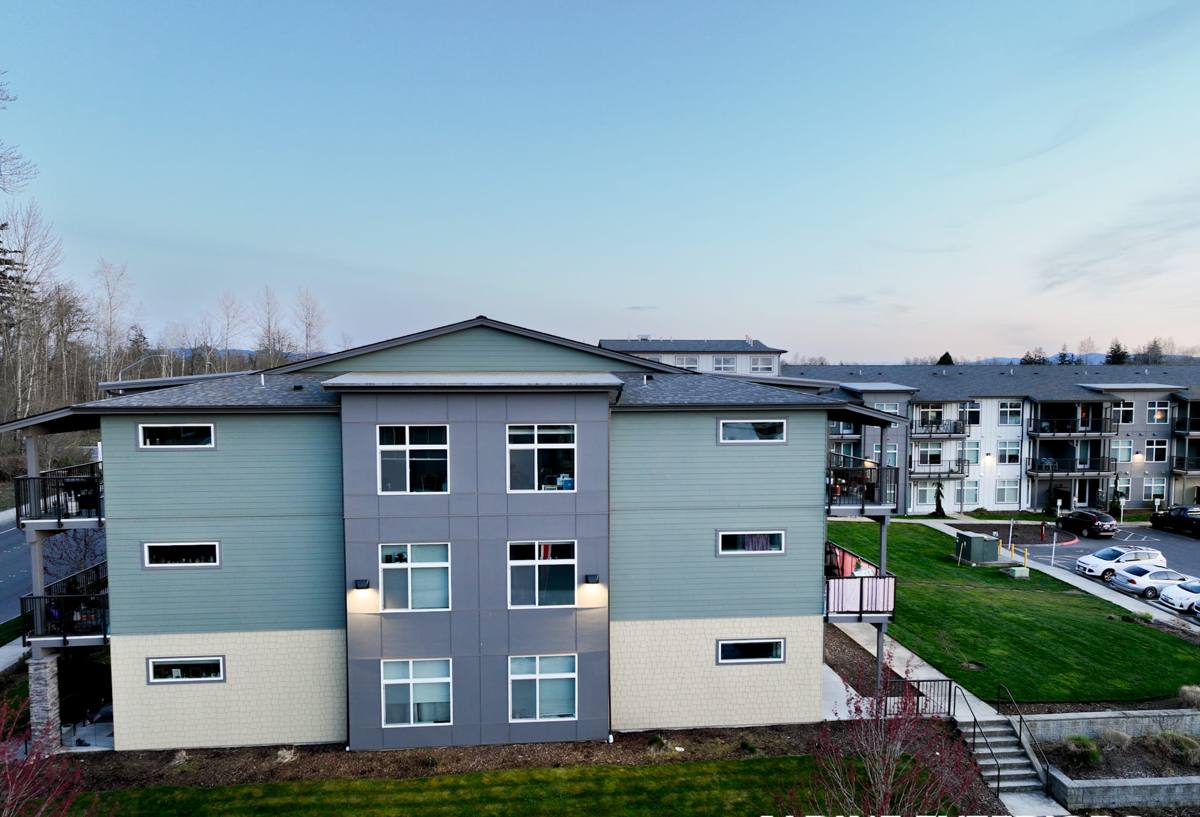
Why We Install Only James Hardie Fiber Cement
We made a decision as a company to install James Hardie fiber cement siding exclusively — not vinyl, not LP SmartSide, not Cemplank or Allura fiber cement, not primed wood or cedar. That's not a marketing position; it's a practical one built around what actually holds up in a climate like ours.
Fiber cement is non-combustible, which matters for a wind-and-fire-exposed coastal state, and it doesn't absorb and swell with moisture the way wood-based products can. James Hardie engineers specific product formulations for humid climate zones — its HZ5 line is built for exactly the conditions Pinellas County sees — and backs its ColorPlus factory-applied finish with a baked-on process that resists fading far better than a job-site paint job. The material itself carries a long non-prorated limited warranty, and the ColorPlus finish carries its own separate finish warranty, both of which are transferable if you sell the home.
None of that is a guarantee by itself. Fiber cement performs the way it's supposed to only when it's installed correctly — which is the part homeowners usually can't evaluate just by looking at a finished wall.
What a Correct Fiber Cement Installation Actually Involves
The difference between siding that lasts decades in this climate and siding that fails early almost never comes down to the board itself — it comes down to what's underneath and how it's fastened.
Weather-Resistive Barrier and Flashing
Every opening — windows, doors, penetrations for utilities — needs proper flashing integrated with the weather barrier so water is directed out, not trapped behind the wall. Skipping or shortcutting this step is the single most common cause of hidden moisture damage we find behind old siding.
Fastening and Clearances
James Hardie specifies exact fastener types, spacing, and embedment depth, along with minimum clearances from grade, roof lines, and other flatwork. Those numbers aren't arbitrary — they're calibrated for wind uplift resistance and to keep the bottom edge of the siding out of standing water and prolonged dampness.
Joints, Gaps, and Caulking
Butt joints, corners, and trim intersections need the right gap and the right sealant, applied correctly, not just a bead of caulk run down every seam. In a wind-driven-rain climate, a poorly sealed joint is a direct path for water intrusion.
Painting and Field Cuts
Any field-cut edge needs to be sealed and, where required, painted to match — an exposed raw edge is a weak point for moisture absorption over time, even on a material as stable as fiber cement.
Fiber Cement vs. the Alternatives, for This Climate
Homeowners comparing quotes in Oldsmar often see a range of products pitched at very different price points. Here's how they generally stack up against the conditions this area sees.
| Factor | Vinyl Siding | LP SmartSide / Engineered Wood | James Hardie Fiber Cement |
|---|---|---|---|
| Wind resistance | Lower — can crack or blow off in high gusts | Moderate, dependent on fastening | High when installed to spec |
| Moisture / humidity behavior | Doesn't absorb water, but can trap it behind panels | Wood-based core is vulnerable to swelling if the finish is compromised | Doesn't swell or rot; engineered for humid climates |
| UV / color stability | Can fade and become brittle over time | Depends on factory or field-applied finish | ColorPlus factory finish resists fading |
| Fire behavior | Combustible | Combustible (wood-based) | Non-combustible |
| Typical maintenance | Low, but damage often means full panel replacement | Periodic finish maintenance to protect the wood core | Occasional caulk/paint touch-up at joints and trim |
| Warranty structure | Varies widely by manufacturer | Varies by manufacturer | Long non-prorated limited warranty, transferable |
This isn't a claim that other products are defective — plenty of homes around the country wear vinyl or engineered wood siding without issue. It's a statement about trade-offs, and why we decided the trade-offs of fiber cement fit a Tampa Bay-area coastal climate best, especially for homeowners who want to install once and not revisit it.
Our Process for an Oldsmar Project
Because we work this part of Pinellas County regularly, our process for an Oldsmar home doesn't require guesswork on permitting or local conditions.
- On-site inspection and measurement — we look at your current siding, wall assembly, and any moisture or trim issues before quoting anything.
- Product and color selection from James Hardie's lattice of siding profiles and ColorPlus palette, matched to your home's exposure and any HOA requirements.
- Permitting through the appropriate local building department, which we handle rather than leaving to you.
- Removal of failing siding and inspection of the sheathing underneath — this is where hidden moisture damage, if any, gets found and addressed before new material goes up.
- Installation of the weather-resistive barrier, flashing, and James Hardie siding to manufacturer specification.
- Final inspection, cleanup, and a walkthrough so you know what to expect going forward.
Maintenance to Expect After Installation
Fiber cement is low-maintenance compared to wood, but "low" isn't "zero." Plan on periodically checking caulked joints and trim intersections for cracking or separation, especially after a strong storm season, and rinsing off accumulated salt and grime from being near the water. The ColorPlus finish is durable, but if you ever need to repaint, use a paint and process rated for fiber cement rather than treating it like generic siding.
Questions Worth Asking Before You Hire
Not every contractor who says "fiber cement" installs it the same way. Before you sign anything, it's worth confirming the basics.
- Are they a James Hardie-certified or preferred installer, and can they explain their flashing and fastening approach in specific terms?
- Does the quote specify the exact HardiePlank, HardiePanel, or HardieShingle product and ColorPlus color, not just "fiber cement siding"?
- Will they remove and inspect the sheathing underneath your old siding, or just cover over it?
- Who pulls the permit, and is that cost included in the quote?
- What does the warranty cover — material only, or labor too — and is it transferable if you sell the home?
- Do they have general liability and workers' comp coverage, and will they show you proof?
Why a Crew That Already Works This Area Matters
A contractor who regularly works Oldsmar and the surrounding Clearwater area already understands the local permitting process, has a working relationship with the relevant building department, and has seen how homes in this specific coastal microclimate age over time. That familiarity shortens the learning curve on your project — there's no guessing about how salt exposure, storm exposure, or humidity will interact with a given detail, because it's been dealt with on the house down the street.
It also means accountability doesn't disappear once the crew packs up. A local company with a presence in the Clearwater and Pinellas County market has a reason to stand behind the work years down the line, not just the day the invoice is paid.
Ready to Talk About Your Siding?
If your Oldsmar home's siding is showing its age — or you're planning ahead before the next storm season — we're happy to take a look and walk you through what James Hardie fiber cement would involve for your specific house. The estimate is free, there's no pressure, and you'll get a straight answer about what your home actually needs.