 Clearwater Window
 Coachman Ridge Roofs Work Harder Than Most People Realize
Coachman Ridge is a settled, established neighborhood, and that means a lot of its roofs are approaching or past the point where patching no longer makes sense. A new roof out here isn't just a cosmetic upgrade — it's the single biggest thing standing between your home and the weather Pinellas County throws at it every year. Hurricane-force wind gusts, sustained UV exposure nearly 365 days a year, wind-driven rain that finds every gap in aging flashing, and a steady dose of salt air moving in off the Gulf all combine to age roofing materials faster here than in most parts of the country.
When we install a new roof in Coachman Ridge, we're not just following a generic install checklist. We're building for a specific set of local stresses: sustained heat that breaks down asphalt oils and adhesives faster, humidity that punishes anything less than a fully sealed underlayment system, and wind events that expose every shortcut a rushed installation might have taken. A roof that's "good enough" somewhere inland often fails early here.
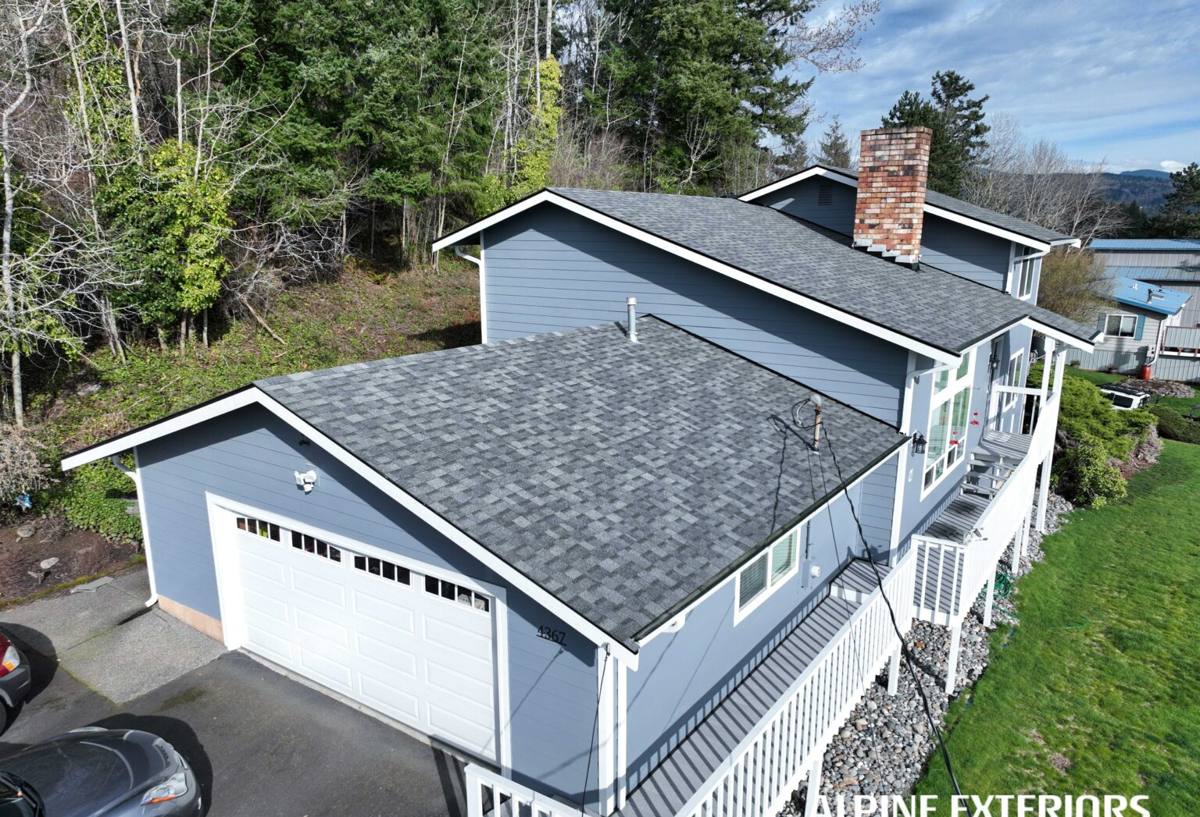
What a Correctly Installed Roof Actually Involves
A new roof is not just shingles or panels laid over the old deck. Every layer underneath matters as much as what's visible from the street, and skipping steps is exactly how roofs that look fine on installation day end up leaking or failing in the first storm season.
Deck Inspection and Repair
Before anything new goes down, the existing roof deck needs to come off and get inspected — not just visually, but by walking it and checking for soft spots, delamination, and water staining that signals rot. Clearwater's humidity means plywood decking that's been under a failing roof for even a year or two can be compromised in ways that aren't obvious until you're standing on it. Any damaged sheathing gets replaced before a single shingle or panel goes on. Installing new roofing over a weak deck is one of the most common corners cut in this trade, and it's the one that causes the most expensive problems down the road.
Underlayment
In a market with wind-driven rain, underlayment is doing more work than most homeowners assume. A synthetic underlayment with proper overlap, correctly fastened, is your backup layer if wind ever lifts or damages the primary roofing material during a storm. Self-adhering underlayment at eaves, valleys, and penetrations adds a sealed layer exactly where water intrusion is most likely to start.
Flashing
Flashing around chimneys, skylights, vent stacks, and roof-to-wall transitions is where the overwhelming majority of roof leaks actually originate — not out in the open field of the roof. Correct flashing means new metal, properly lapped and sealed, not old flashing reused to save time or caulked over instead of replaced.
Wind Resistance Isn't Optional in This Climate
Florida Building Code sets minimum wind-uplift and fastening requirements for a reason, and Pinellas County inspectors enforce them closely. But code minimums are a floor, not a target. When we install a roof, fastening patterns, nail placement, and material wind ratings are chosen with actual Gulf Coast wind events in mind, not just what passes inspection on a calm day.
- Correct nail count and placement per shingle course, not the reduced pattern that's technically allowed but leaves less margin
- Starter strip and ridge cap installed to manufacturer wind-rated specifications, not general trade habit
- Proper fastener length to fully penetrate the deck, not just the shingle and underlayment
- Sealed valleys and hip lines, which are the first place high winds try to lift material
- Ventilation components installed so they don't become wind-catch points themselves
A roof that's fastened to code but not fastened with intent is the roof that loses shingles in a moderate storm while the neighbor's holds. The difference usually isn't the material — it's the installation.
Choosing the Right Roofing Material for Coachman Ridge
There's no single "best" roofing material for every home. The right choice depends on your roof's pitch, your home's structure, your budget, and how long you want to go before your next full replacement. Here's how the common options actually compare for a home in this area, based on real trade-offs rather than marketing claims.
| Material | Typical Lifespan | Wind Performance | Maintenance | Best Fit |
|---|---|---|---|---|
| Architectural asphalt shingle | 20-30 years | Good, with proper fastening and a wind-rated line | Low to moderate | Most standard-pitch homes; best value-to-performance balance |
| Standing seam metal | 40-50+ years | Excellent when properly installed | Low | Homeowners planning to stay long-term or wanting minimal future maintenance |
| Concrete or clay tile | 40-50+ years | Very good, but individual tiles can crack from impact | Moderate — occasional tile replacement | Homes built for tile's weight load and a Mediterranean or Spanish-style profile |
| 3-tab asphalt shingle | 15-20 years | Lower wind rating than architectural shingles | Moderate | Budget-driven replacements where lifespan expectations are shorter |
We don't push one material as universally "better." We'll tell you honestly where a cheaper option will cost you more in ten years, and where a premium material genuinely isn't necessary for your home's structure or your plans for the property.
Ventilation: The Part of the Roof You Never See
An attic that can't breathe properly turns your new roof into a slow-cooking oven for its own materials. In Clearwater's climate, trapped heat and moisture in an under-ventilated attic accelerates shingle aging from underneath, can warp decking, and creates conditions for mold and mildew that have nothing to do with any leak. Proper installation includes calculating intake and exhaust ventilation as a balanced system — ridge vents, soffit vents, or powered exhaust sized to your attic's actual square footage, not a generic add-on. This is a step that's easy to skip because it doesn't show up in a driveway photo, but it directly affects how long your new roof actually lasts.
How Our Installation Process Works
- On-site inspection and estimate — we assess your existing roof, deck condition (where visible), pitch, penetrations, and ventilation before quoting anything.
- Material selection — we walk through the real trade-offs for your specific home and budget, not a one-size pitch.
- Permitting — we pull the required Pinellas County/City of Clearwater permits and schedule required inspections; this isn't optional and it protects you if there's ever an insurance claim question later.
- Tear-off and deck inspection — full removal of old roofing, with deck repairs made and documented before new material goes down.
- Underlayment and flashing installation — sealed, layered correctly at every valley, penetration, and transition.
- Roofing material installation — installed to manufacturer wind-rated specifications and correct fastening patterns.
- Ventilation and final detail work — ridge caps, vents, and trim finished and checked.
- Final inspection and cleanup — magnetic sweep for stray fasteners, full site cleanup, and walkthrough with you before we consider the job done.
Permits, Inspections, and Insurance Considerations
A new roof in Clearwater requires a permit, and that permit process exists to protect you — it means an independent inspector is verifying the work meets code before it's signed off. Skipping proper permitting to save time is a red flag from any contractor, because it leaves you unprotected if a problem shows up later or if your insurer ever questions the work during a claim.
It's also worth asking your contractor for documentation that supports a wind mitigation inspection. Many homeowners in this area see a real reduction in windstorm insurance premiums after a qualifying new roof install, because insurers price risk based on roof age, deck attachment method, and roof-to-wall connections. We provide the paperwork you'll need to give your insurance agent for that reassessment.
Signs Your Coachman Ridge Home May Need a New Roof
- Shingles that are curling, cupping, or losing significant granules
- Visible sagging anywhere along the roofline
- Daylight visible through the attic decking
- Recurring leaks in the same area despite prior repairs
- A roof approaching or past 20 years old, especially if it's never been fully inspected
- Missing or damaged shingles after a wind event
- Rising energy bills that may point to failing insulation or ventilation under an aging roof
Any one of these on its own might just call for a repair. Several together usually mean it's time to have an honest conversation about replacement before a bigger storm makes the decision for you.
Why Local Coachman Ridge Experience Actually Matters
A roofing crew that's worked this neighborhood knows the general housing stock, the typical roof pitches and ages you'll find on these streets, and how Pinellas County's permitting and inspection process actually runs in practice — not just what the code book says. That local familiarity shortens the guesswork on your project and reduces surprises mid-installation. It also means we're not learning Clearwater's climate demands on your roof; we've already built for them, on homes like yours, in this same part of the county.
If your roof is aging, storm-damaged, or you're simply trying to get ahead of the next hurricane season instead of reacting to it, we're glad to come take an honest look. We'll give you a free, no-pressure estimate, tell you what we actually see, and let you decide from there — no hard sell, just a straight answer about what your roof needs.