 Clearwater Window
 Why Belleair Bluffs Homes Need a Different Approach to Metal Roofing
Belleair Bluffs sits in one of the more exposed pockets of Pinellas County, close enough to the Intracoastal and the Gulf that salt air, wind, and sun all take a heavier toll here than they do a few miles inland. Homeowners in this small community tend to have a mix of older ranch-style houses and updated coastal homes, many with roofs that were never designed for the loads and exposure they actually see. Metal roofing has become the go-to upgrade for this area because, done correctly, it holds up to wind-driven rain, resists the salt corrosion that eats away at lesser materials, and doesn't lose its structural integrity in intense UV the way asphalt shingles eventually do.
That "done correctly" part matters. Metal roofing is not a forgiving product. A panel system installed with the wrong fasteners, the wrong underlayment, or sloppy flashing details will fail faster and more visibly than a shingle roof with the same mistakes. For a coastal Clearwater-area property, that failure shows up sooner — corrosion, leaks at penetrations, and panel movement in high wind are the most common results of a rushed or inexperienced install.
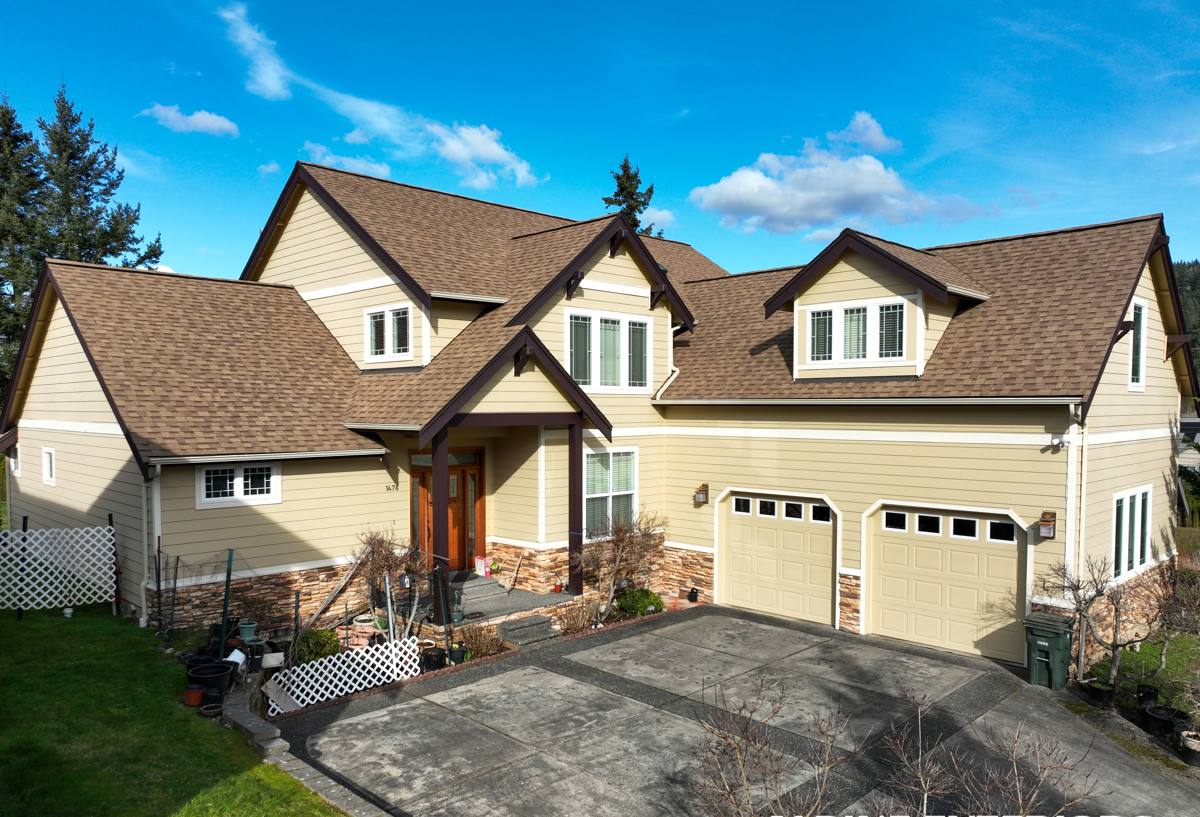
What Belleair Bluffs' Coastal Environment Demands From a Metal Roof
Every roofing material on a home near the water is fighting the same four things at once: wind, salt, UV, and wind-driven rain. Metal roofing handles all four well, but only when the system is matched to the environment.
Hurricane-Force Wind
Pinellas County's wind exposure means fastener spacing, panel gauge, and clip systems all need to meet or exceed local wind-uplift requirements, not just the manufacturer's minimum. A roof that looks identical from the ground can be rated for very different wind speeds depending on how it was attached underneath.
Salt Air Corrosion
Proximity to the Intracoastal and Gulf means airborne salt settles on every exterior surface, including the roof. Bare steel fasteners, mismatched metals, and lower-grade coatings corrode noticeably faster here than they would inland. Material selection and fastener compatibility matter more in Belleair Bluffs than in most of the greater Tampa Bay area.
Year-Round UV Exposure
Florida sun is relentless on roofing finishes. A quality paint or coating system resists chalking and fading; a cheap one looks tired within a few years and can start to break down protective layers underneath.
Wind-Driven Rain
Storms here rarely deliver rain straight down. Wind pushes water sideways and upward under panel edges, around penetrations, and into any gap in the flashing. This is the single biggest cause of leaks in improperly installed metal roofs, and it's why underlayment and flashing detail work matter as much as the panels themselves.
Choosing the Right Metal Roofing System for a Belleair Bluffs Home
Not every metal roofing system is right for every home. The two most common options for residential work in this area are standing seam and exposed-fastener (screw-down) panels, and the right choice depends on budget, roof pitch, and how long you plan to own the home.
| Factor | Standing Seam | Exposed Fastener |
|---|---|---|
| Fasteners | Hidden, attached via concealed clips | Visible screws through the panel face |
| Wind performance | Excellent — fewer penetration points | Good, but relies on gasket integrity at each screw |
| Maintenance | Minimal | Screws and gaskets need periodic inspection/replacement |
| Upfront cost | Higher | Lower |
| Typical lifespan | Longer, with less maintenance burden | Solid, but shorter service life if fasteners aren't maintained |
| Best fit | Long-term ownership, coastal exposure | Budget-conscious projects, secondary structures |
For homes closer to the water in Belleair Bluffs, we generally steer clients toward standing seam when budget allows, simply because fewer exposed fasteners means fewer future points of failure in a salt-air environment. Exposed-fastener systems are still a legitimate, cost-effective option — they just come with a maintenance schedule that homeowners need to actually keep up with.
Panel Gauge and Coating
Thicker gauge steel or aluminum resists denting from debris and holds fastener threads better over time. Coating quality — the paint system baked onto the panel — determines how well the roof resists fading, chalking, and salt corrosion. We don't cut corners on either of these for coastal Pinellas County installs, because the cost difference up front is small compared to the cost of redoing a roof that failed early.
What a Correct Metal Roof Installation Actually Involves
The panels are the visible part of a metal roof, but most of what determines whether it performs happens underneath them.
Deck Inspection and Prep
Before anything goes on, the existing roof deck needs to be inspected for rot, soft spots, and proper structural attachment. Skipping this step and installing over a compromised deck is one of the most common corners cut in this trade.
Underlayment
A high-temperature-rated synthetic or self-adhered underlayment goes down first. In a wind-driven rain climate like ours, this layer is the backup line of defense if water ever gets past the panels — it needs to be installed with proper laps and sealed penetrations, not just rolled out.
Fastening and Clip Layout
Fastener spacing and clip patterns need to match the wind-uplift rating the home requires, which is tighter near the coast than it is a few miles inland. This is engineering, not guesswork, and it's where inexperienced crews most often under-build.
Flashing at Penetrations and Edges
Chimneys, vents, skylights, valleys, and roof edges are where nearly every roof leak originates. Correct metal roofing flashing is custom-formed and layered to shed water in the direction it will actually travel during a wind-driven storm, not just sealed with caulk as an afterthought.
Ventilation
A metal roof still needs a properly ventilated attic space underneath it. Poor ventilation traps heat and moisture, which can shorten the life of the roof deck even if the metal itself is performing fine.
Our Process, Start to Finish
- On-site assessment — we inspect the existing roof, deck condition, and any problem areas specific to the home before quoting anything.
- System recommendation — we walk through standing seam vs. exposed-fastener options based on your budget, roof pitch, and how long you plan to stay in the home.
- Written estimate — a clear scope of work and price, with no vague allowances hiding future upcharges.
- Deck repair, if needed — any rot or structural issues are addressed before a single panel goes on.
- Underlayment and flashing installation — the part of the job that determines whether the roof actually keeps water out.
- Panel installation — fastened or clipped to the wind-uplift spec required for this location, not a generic minimum.
- Final walkthrough — we go over the finished roof with you before considering the job complete.
What Drives the Cost of a Metal Roof in Belleair Bluffs
| Cost Factor | Why It Matters Here |
|---|---|
| Panel system type | Standing seam costs more up front but reduces long-term maintenance in salt air |
| Roof size and pitch | Steeper or more complex rooflines require more labor and material waste |
| Deck condition | Rot or structural repair adds cost but is non-negotiable for a safe install |
| Number of penetrations | Each vent, chimney, or skylight requires custom flashing work |
| Coating/finish grade | Higher-grade coatings resist coastal UV and salt exposure longer |
| Wind-rating requirements | Fastener density and clip spacing near the water often exceed baseline code minimums |
We give homeowners an itemized estimate so it's clear what's driving the price, rather than a single lump number that hides where the money is going.
Signs Your Current Roof May Need Attention
- Visible rust streaks or corrosion around fasteners, flashing, or panel seams
- Panels that flex, rattle, or appear loose in wind
- Chalking, fading, or peeling on the roof's painted finish
- Water stains on interior ceilings, especially after wind-driven storms
- Granule loss or curling if your current roof is still asphalt shingle
- Visible daylight or gaps at ridge caps, valleys, or penetrations
- A roof approaching or past its expected service life with no recent inspection
If any of these sound familiar, it's worth having someone look at the roof before the next storm season rather than after.
Why Local Experience in Belleair Bluffs Matters
Metal roofing done well in this part of Pinellas County isn't the same job as metal roofing done inland. A crew that primarily works drier, less exposed markets may not default to the fastener spacing, flashing details, or coating grade that a Belleair Bluffs roof actually needs to hold up under hurricane-force wind and constant salt air. Local experience means we already know how this specific stretch of coastline treats a roof, and we build to that reality by default — not as an upsell after something fails.
It also means faster response when something does need attention. Being local to Clearwater and the surrounding Pinellas County communities isn't just convenience — it's the difference between a contractor who understands this microclimate and one who's guessing.
Get a Straight Answer on Your Metal Roof
Whether you're replacing an aging roof, dealing with storm damage, or planning ahead of hurricane season, we're happy to take a look and give you an honest assessment — no pressure, no hard sell. Request a free estimate below and we'll walk you through what your home actually needs.