 Clearwater Window
 Siding in Largo Has to Answer to the Gulf, Not Just the Weather
Largo sits inland from the barrier islands, but that doesn't mean the coast leaves it alone. Pinellas County is narrow enough that salt-laden air moves across the whole peninsula, and Largo's siding takes the same year-round beating as siding closer to the water — just at a slightly slower pace. Hurricane-force winds during storm season put direct pressure on wall assemblies and test every fastener and seam. Wind-driven rain doesn't fall straight down here; it gets pushed sideways into laps, corners, and trim joints where a lesser installation lets water in. Between storms, the sun does its own damage — Florida's UV load is among the highest in the country, and it breaks down paint films, warps composite panels, and dries out caulk faster than almost anywhere else in the continental U.S.
None of this is exotic knowledge to a Largo homeowner. Most people who've lived here more than a few years have already seen what heat, humidity, and storms do to siding that wasn't built or installed for the job. What's less obvious is how much of that damage traces back to installation choices made once, years earlier, that never get revisited until the siding is already failing.
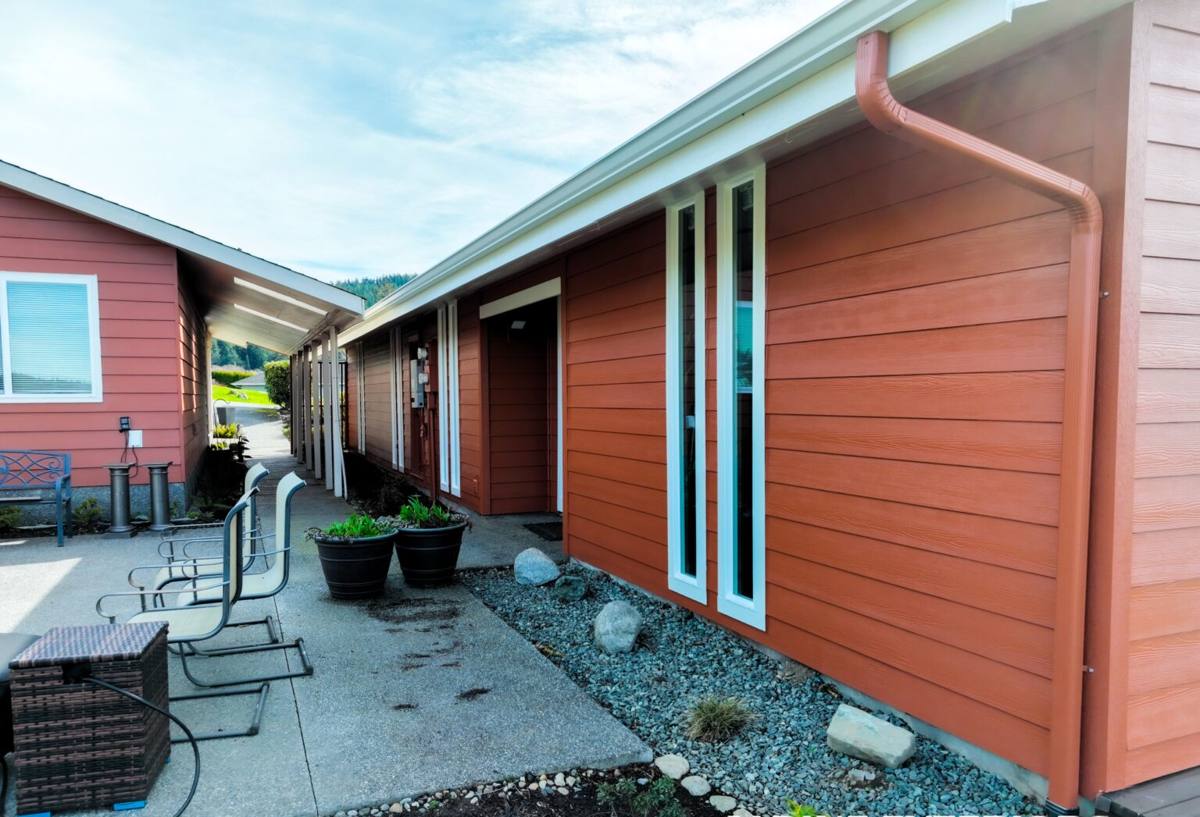
What "Correct" Siding Installation Actually Means Here
Siding installation isn't just fastening panels to a wall. In a climate like this, the parts you don't see determine how long the parts you do see actually last. A correct install for a Largo home includes:
- A continuous, properly lapped weather-resistive barrier behind the siding, so any water that gets past the surface has somewhere to go besides your sheathing
- Flashing at every window, door, and roofline intersection, installed in the right shingle-lap order so water sheds outward instead of tracking behind the siding
- Correct fastener type, spacing, and penetration depth — under-driven or over-driven nails are one of the most common causes of early siding failure in wind events
- Proper clearance between the bottom edge of the siding and the ground, roofline, deck, or patio surface, so moisture from splashback or standing water isn't wicking into the material
- Caulked and sealed joints at butt seams, corners, and penetrations, using sealants rated for sustained UV and humidity exposure
Skip or rush any one of these steps and the siding can still look fine for a year or two. The failures show up later — as soft spots at the bottom courses, staining under window heads, or panels that have started to separate at the seams after a couple of hurricane seasons.
Why This Matters More in Largo Than It Would Inland
A home in a low-humidity, low-wind climate can tolerate a mediocre installation for a long time before problems surface. A home in Pinellas County can't. The combination of sustained humidity, salt exposure, and periodic high-wind events compresses the timeline — mistakes that might take a decade to show up in a drier state can show up in three or four years here.
Why We Install Only James Hardie Fiber Cement
We standardized on James Hardie fiber cement siding for every home we work on, including here in Largo, and we don't install vinyl, LP SmartSide, or other engineered wood or composite siding products. That's a deliberate choice, not a default.
Fiber cement is non-combustible, dimensionally stable in heat and humidity swings, and holds up to wind-driven rain without the seam and moisture vulnerabilities that come with wood-based composite panels. James Hardie's HZ5 product line is specifically engineered for high-humidity, high-moisture climates like ours, and the ColorPlus factory finish is baked on under controlled conditions rather than field-applied — which means better UV and fade resistance than a job-site paint job, and a finish warranty that travels with the product rather than depending on how carefully a crew painted that day.
We're not going to tell you every other siding product is unusable — plenty of homes around the country wear vinyl or engineered wood without issue. But for the specific combination of UV load, humidity, salt air, and wind exposure that Largo homes deal with every year, we've made fiber cement our standard, and it's what we recommend without hesitation.
Our Installation Process for Largo Homes
The process doesn't change much house to house, but the details do — older Largo homes and newer construction often need different prep work before a single panel goes up.
| Step | What Happens | Why It Matters Here |
|---|---|---|
| Site and substrate assessment | Inspect existing sheathing, framing, and any moisture damage behind current siding | Humidity and past leaks can hide rot that has to be addressed before new siding goes up |
| Weather barrier installation | Install or replace the water-resistive barrier with proper overlaps and taped seams | This is the backup system when wind-driven rain gets past the siding surface |
| Flashing and trim work | Flash all windows, doors, and penetrations before siding installation begins | Prevents water intrusion at the most common failure points in high-wind storms |
| Hardie panel and plank installation | Install fiber cement siding to manufacturer fastening specs, with correct clearances | Manufacturer-spec installation is what keeps the product warranty valid |
| Sealant and finish detailing | Seal joints, corners, and penetrations; install trim and accessories | Correctly sealed joints resist both wind-driven rain and long-term UV breakdown |
| Final walkthrough | Inspect the completed installation with the homeowner | Confirms the work meets spec before we consider the job done |
Signs Your Largo Home's Siding Needs Attention
Most siding problems in this area don't announce themselves loudly. They show up as small details that are easy to write off until they aren't:
- Soft or spongy spots when you press on the lower courses of siding, especially near ground level or under windows
- Visible gaps, buckling, or panels that have pulled loose at the corners or seams
- Persistent staining or streaking that doesn't wash off, particularly below window sills or roof-to-wall intersections
- Paint or finish that's chalking, fading unevenly, or peeling in sheets rather than wearing evenly
- A noticeable increase in interior humidity or musty smell along an exterior wall
- Visible fastener heads working loose or backing out of the siding surface
Any one of these on its own might not mean much. Several together, especially after a rough storm season, usually means it's time for a closer look.
What Affects the Cost of a Largo Siding Job
We're not going to quote numbers here — every home is different, and the honest answer depends on what our crew finds once we're actually looking at your walls. But the factors that move the number up or down are consistent:
| Factor | Why It Matters |
|---|---|
| Substrate condition | Hidden rot or moisture damage behind existing siding adds repair work before installation can start |
| Home size and wall complexity | More corners, dormers, and trim details mean more labor and material cuts |
| Siding profile chosen | Lap siding, panel siding, and shingle-style Hardie products differ in material and install time |
| Existing siding removal | Full tear-off versus installing over a compliant existing surface changes labor scope |
| Trim and accessory scope | Corner boards, window trim, and fascia work are often bundled with a siding project |
Why It Matters That the Crew Already Works in Largo
A crew that regularly works Pinellas County homes has already seen how the local building stock ages under this climate — which neighborhoods tend to have moisture issues behind older siding, how HOA and permitting expectations run in this part of the county, and what wind-load and code requirements apply to exterior work here. That's not something a crew coming in from outside the area picks up on the first job. It shows up in small decisions: how much extra care goes into flashing a particular window style, or recognizing rot patterns that are common in homes of a certain age around here before they become a bigger problem mid-project.
It also matters for accountability. A local crew is going to be around next hurricane season if something needs a follow-up look, not three states away by the time a warranty question comes up.
Maintaining Hardie Siding After Installation
Fiber cement is low-maintenance compared to most alternatives, but "low-maintenance" isn't "no-maintenance," especially in this climate. A simple annual routine goes a long way:
- Rinse the siding with a garden hose once or twice a year to clear salt residue and general grime — avoid high-pressure washing directly at seams and joints
- Walk the exterior after major storms and check for loose panels, damaged trim, or fresh staining
- Keep caulking at trim and penetrations in good shape; re-caulk if it's cracking or pulling away
- Trim back vegetation and irrigation spray that keeps siding surfaces damp longer than they need to be
Questions to Ask Before Hiring Anyone for Siding Work
Whether you go with us or someone else, these are the questions worth asking any contractor bidding on a Largo siding job:
- Are you a manufacturer-certified installer for the siding product you're proposing?
- What weather-resistive barrier and flashing details will you use, specifically, at windows and rooflines?
- Who handles the work if hidden rot or moisture damage is found once the old siding comes off?
- What does the manufacturer's warranty require in terms of installation method, and will your install meet it?
- Can you walk me through the fastening schedule you'll use for wind resistance in this area?
If a contractor can't answer these clearly, that's worth noting before you sign anything.
If your Largo home's siding is showing its age, or you're planning ahead of the next storm season, we're happy to take a look and give you a straightforward, no-pressure estimate — no obligation, just an honest read on where things stand.