 Clearwater Window
 Why Windows Take a Beating in Del Oro
Del Oro sits close enough to the water that every window on a house is doing double duty: keeping conditioned air inside and keeping the outside world out. In this part of Clearwater, "the outside world" means hurricane-force wind gusts during storm season, intense UV exposure nearly every day of the year, wind-driven rain that finds any weak seam, and salt-laden air that never really stops working on metal and hardware. A window that would hold up fine in a drier, calmer inland climate can start failing here years ahead of schedule. Energy efficiency and storm resilience aren't separate projects in this neighborhood — they're the same project, because the glass and frame assembly that stops a summer electric bill from spiking is largely the same assembly that has to survive a named storm.
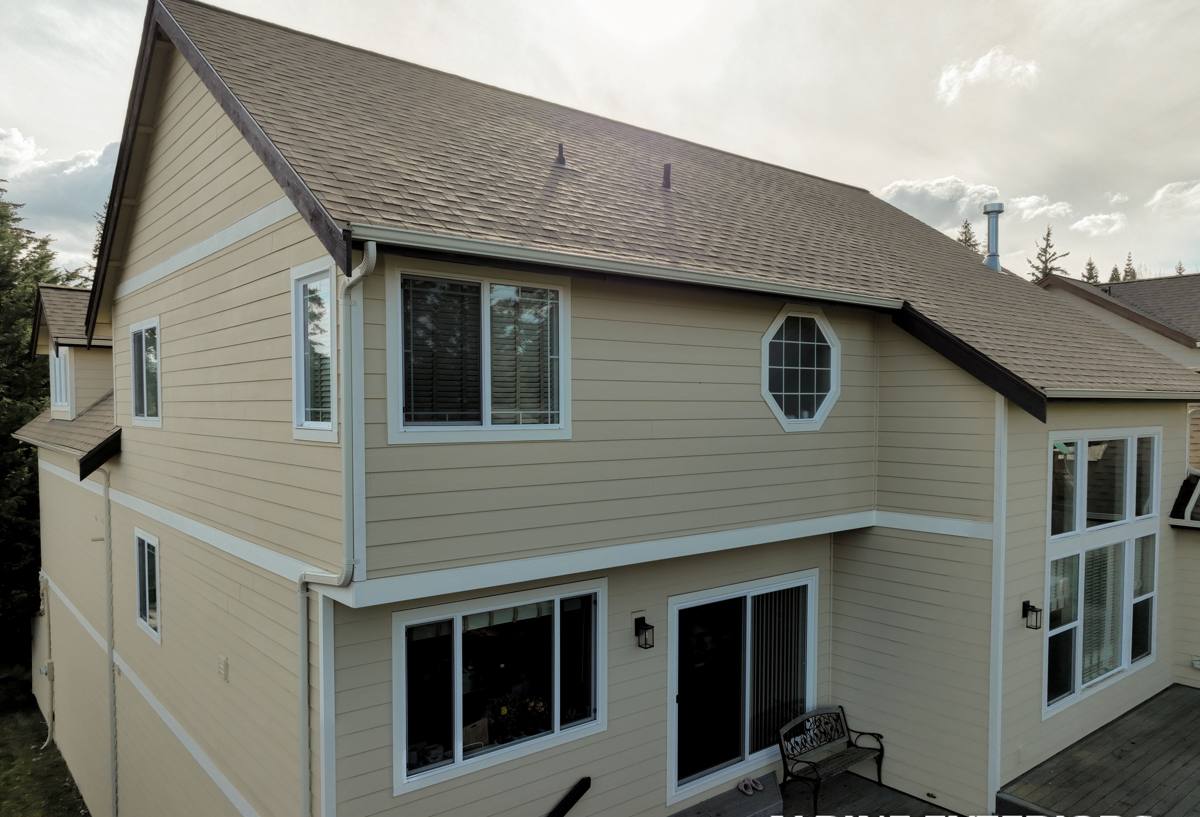
What "Energy-Efficient" Really Means on the Gulf Coast
"Energy-efficient" gets used loosely in window advertising, so it helps to know what it's actually measuring. Two numbers matter most for a Pinellas County home, and they pull in slightly different directions depending on which way your windows face and how much shade your lot gets.
U-Factor and Solar Heat Gain Coefficient
U-factor measures how much heat moves through the window assembly — lower is better, and it matters most for keeping your air conditioner from running constantly against outside heat. Solar Heat Gain Coefficient (SHGC) measures how much solar radiation the glass lets through. For a Florida house, a low SHGC is usually more important than it would be up north, because our climate load is almost entirely about keeping heat out, not holding heat in. Windows sold and rated for this region should be specified with SHGC in mind, not just a generic "energy-efficient" label.
Air Infiltration
The third number that matters is air infiltration — how much outside air leaks through the frame and sash even when the window is closed and locked. A window can have great glass and a mediocre infiltration rating if it's poorly built or poorly installed, and that gap is where a lot of the wasted cooling capacity actually goes. This is one of the reasons installation quality matters as much as the product itself, which we'll get to below.
The Four Things Working Against Your Windows Here
Hurricane-Force Wind
Pinellas County sits within Florida's wind-borne debris region under the state building code, which is why replacement windows here are typically required to be either impact-rated or paired with approved protection, depending on the scope of the job and current code at time of permit. Wind doesn't just risk a shattered pane — sustained pressure and pressure cycling during a storm stresses the frame, the anchoring, and the seal around the rough opening. A window that's only "energy-efficient" on paper but wasn't engineered and installed for wind load is a liability in a storm, not just an inefficiency on your power bill.
Year-Round UV
Central Florida gets strong, direct sun essentially every month of the year, not just in summer. UV exposure breaks down vinyl, fades interior finishes, and — most relevant to energy performance — degrades low-quality glass coatings and seals over time. A Low-E coating that isn't durable under this level of UV loses its performance well before the window's rated lifespan, which shows up as a slow, hard-to-diagnose creep in your cooling costs.
Wind-Driven Rain
Rain that comes in sideways during a Gulf storm tests a window's flashing and sealant details far harder than a calm vertical rain ever would. Most water intrusion problems we see aren't glass failures — they're flashing, sill pan, or sealant failures around a window that was installed without accounting for wind-driven water finding its way behind the frame.
Salt Air
Even set back from the immediate waterfront, homes in this part of Clearwater sit in a salt-influenced air environment. Salt accelerates corrosion on hardware, screws, fasteners, and lower-grade aluminum components. Over years, that corrosion is what causes locks to seize, balances to fail, and frames to pit — problems that often show up as a window that suddenly won't seal properly anymore, which directly hurts efficiency.
What a Correct Installation Actually Involves
The window product is maybe half the equation. The other half is installation detail, and it's where most of the real-world performance difference between a good job and a bad one actually shows up — especially in a climate that punishes shortcuts.
- Removing the old unit down to the rough opening and inspecting the framing and sill for hidden water damage or rot before anything new goes in
- Installing a proper sill pan and flashing sequence so any water that gets past the exterior seal drains back out instead of pooling in the wall cavity
- Mounting and anchoring the new window per the manufacturer's wind-load engineering, not a generic fastener pattern
- Sealing with the correct sealant and backer rod at the exterior, not just a bead of caulk over a gap
- Insulating the shim space around the frame correctly, since a gapped or over-packed shim space is a common source of both air leaks and condensation problems
- Confirming the finished install meets the wind-load and impact requirements that apply to your specific address and permit
- Finishing interior and exterior trim so the assembly is fully weather-sealed, not just functionally closed
Comparing Frame and Glass Options for Del Oro Homes
There's no single "right" window for every house — it depends on your budget, your home's age and construction, and how exposed your lot is. Here's how the common choices stack up for this specific climate:
| Option | Where it fits well | Trade-off to know |
|---|---|---|
| Impact-rated vinyl frame | Most standard replacement projects; good value with strong wind and UV performance | Frame color/finish options are more limited than aluminum |
| Impact-rated aluminum frame | Larger openings, coastal-modern styling, higher structural loads | Costs more; needs a quality thermal break to avoid heat transfer |
| Laminated impact glass | Storm protection without permanent shutters or panels | Heavier sash, slightly higher unit cost than standard tempered glass |
| Non-impact glass + code-approved shutters | Budget-conscious projects on protected or interior-facing openings | Requires deploying shutters before every storm; less UV/noise benefit day to day |
| Standard (non-coastal-rated) window | We don't recommend this for exterior openings in this area | Not engineered for local wind-borne debris requirements |
What Drives the Cost
Every honest estimate for this kind of project is going to move based on a handful of variables. Knowing them ahead of time makes it much easier to compare quotes apples-to-apples.
| Factor | Why it matters |
|---|---|
| Impact-rated vs. non-impact glass | Impact glass costs more per unit but can remove the need for separate storm protection |
| Frame material | Vinyl is typically the most economical; aluminum and larger structural openings cost more |
| Number and size of openings | Larger openings and specialty shapes (arches, picture windows) cost more per square foot |
| Condition of the existing rough opening | Hidden rot or out-of-square framing found during removal adds labor to correct properly |
| Access and story height | Second-story or hard-to-access openings take longer and may need additional equipment |
| Permit and inspection requirements | Permitted work adds a line item but protects you at resale and with insurance |
Beyond a broad range that depends heavily on the above, we won't quote a number without seeing the actual openings — anyone who does is guessing, not estimating.
Our Process for Del Oro Homeowners
We work this neighborhood regularly, so the process is straightforward and doesn't require you to become a window expert to get through it.
- On-site assessment. We measure every opening, check the condition of the framing, and talk through which glass and frame options actually make sense for your home's exposure and your budget.
- Clear, written proposal. You get a specific quote tied to your actual openings and product selections — not a rough per-window average.
- Permitting. We handle the paperwork with the county so the finished job is documented and code-compliant, which matters for insurance and for resale down the road.
- Installation. Removal, flashing, anchoring, sealing, and trim finish — done to hold up to the wind and water conditions this area actually sees, not the minimum needed to pass a quick visual check.
- Final walkthrough. We check operation, seal, and finish on every opening with you before we consider the job done.
Signs Your Current Windows Are Working Against You
Homeowners often assume windows are fine as long as the glass isn't cracked. In practice, the signs of a failing window are usually more subtle than that — and by the time they're obvious, you've likely been paying for it in cooling costs for a while.
- You can feel air movement near the frame on a windy day, even with the window closed and locked
- Condensation regularly forms between panes on double-glazed units — a sign the seal has failed
- The frame or sill feels soft, or you notice staining below the window on the interior wall
- Locks, cranks, or balances are stiff, corroded, or don't fully engage anymore
- One room is noticeably harder to keep cool than the rest of the house
- You hear more outside noise through the windows than you'd expect for the distance from the road
- Your windows predate the most recent update to Florida's wind-borne debris code requirements for this area
Why Local Experience in This Neighborhood Matters
A window contractor who mostly works inland doesn't think the same way about flashing details, fastener corrosion resistance, or wind-load anchoring as one who works this stretch of Pinellas County every week. It shows up in small decisions — which sealant holds up to this UV load, how much slope a sill pan needs given the rain patterns here, which hardware actually survives salt air instead of seizing in three years. Del Oro homes also vary in age and construction, so a crew that's worked in the neighborhood has usually already seen the framing quirks and prior-repair shortcuts that a first-time visitor would need to discover the hard way, on your dime.
If you're weighing whether it's time to replace aging windows, or you just want a straight answer on what impact-rated, energy-efficient windows would cost for your specific home, we're glad to come take a look. The estimate is free, there's no pressure attached to it, and you'll walk away with real numbers instead of a rough guess — just fill out the form below to get started.