 Clearwater Window
 Downtown Clearwater's Roofs Deal With a Lot in a Small Area
Downtown Clearwater sits close to the water, which means its roofs absorb a combination of stresses that inland Pinellas County homes don't face in the same intensity. Salt-laden air corrodes fasteners, flashing, and exposed metal faster than it does even a few miles inland. Afternoon storms roll in off the Gulf with wind-driven rain that gets pushed sideways under shingle edges and around roof penetrations. Add in the intense, near-constant Florida UV exposure baking the roof deck for most of the year, and you have a combination that ages roofing materials faster than the manufacturer's warranty paperwork usually accounts for.
Downtown Clearwater also has a mix of home ages and roof types — older bungalows with roofs that have already been patched more than once, and newer builds with systems that are still under warranty but may have been installed before code updates tightened up wind and water intrusion requirements. That mix matters when it comes to storm damage repair, because what's "normal wear" on one roof might be storm damage that needs to be documented and repaired correctly on another.
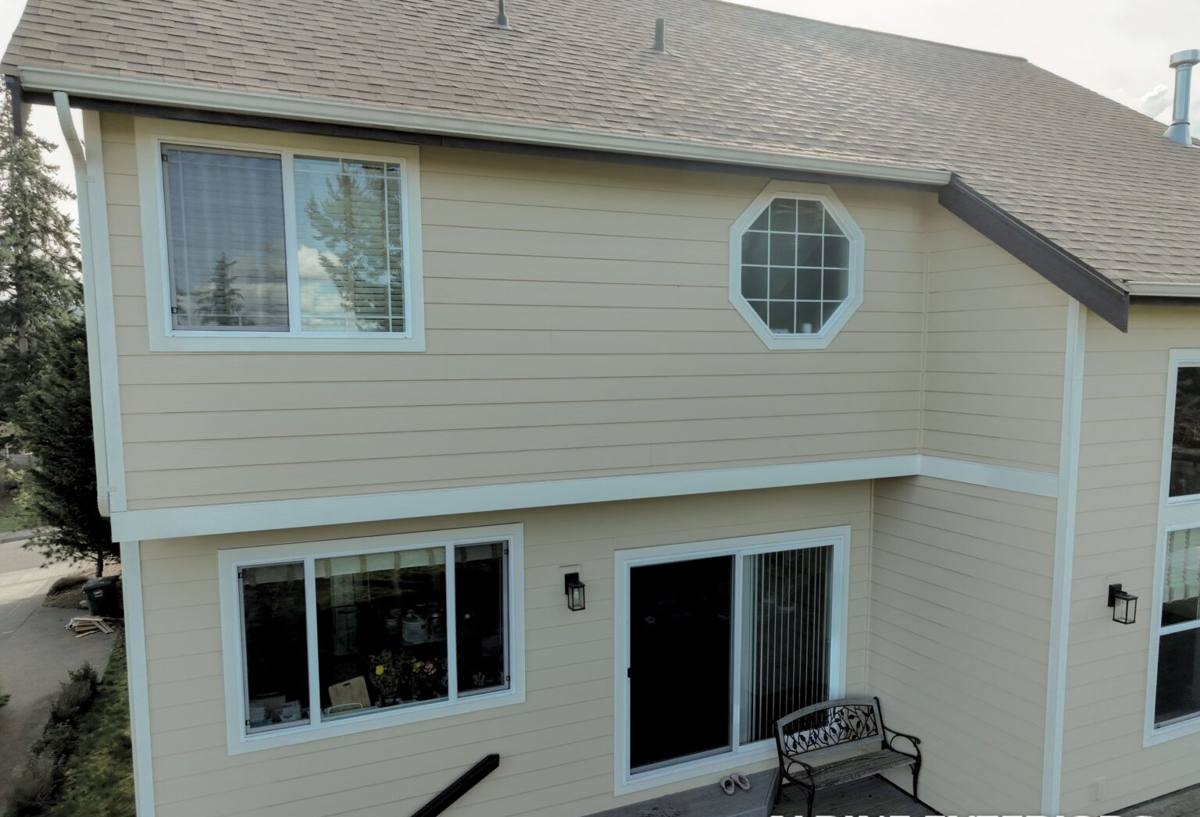
What Storm Damage Actually Looks Like (It's Not Always a Leak)
Most homeowners assume storm damage means a hole or an active drip. In practice, a lot of storm damage is quieter than that, and it's the quiet kind that causes the most expensive problems if it sits untreated through a few more storm cycles.
Wind Damage
Clearwater sees straight-line wind gusts and, during hurricane season, sustained hurricane-force wind. Wind doesn't just rip shingles off — it lifts edges just enough to break the seal strip, then the shingle looks fine lying flat again but no longer holds down the way it should. The next storm finds that weak spot first.
Wind-Driven Rain Intrusion
Rain that comes in sideways during a storm can get pushed up under shingle tabs, around chimney flashing, or into valleys where two roof slopes meet. This kind of intrusion often shows up first as a stain on an interior ceiling days or weeks after the storm, not during it.
Granule Loss and UV-Accelerated Aging
Hail-sized debris and heavy wind can strip the protective granules off asphalt shingles. Once those granules are gone in a spot, that patch of shingle has no UV protection left and degrades much faster than the rest of the roof — which is why a small storm-damaged area can turn into a bigger soft spot within a season if it's not addressed.
Flashing and Penetration Damage
Flashing around chimneys, vent pipes, and roof-to-wall transitions is sealant and thin metal — exactly the components most likely to work loose in high wind or corrode faster in salt air. Flashing failures are one of the most common causes of a leak that has nothing to do with the shingles themselves.
What a Correct Storm Damage Repair Actually Involves
A storm damage repair done right is not just "find the hole, cover the hole." It starts with figuring out how the water actually got in, because a patch placed in the wrong spot can look fine and still leak with the next rain.
Full Damage Assessment, Not Just the Reported Spot
We check the whole roof plane the storm affected, not just the area near the interior stain or the obviously missing shingle. Wind damage frequently shows up in more than one location, and undocumented damage next to a repaired area is a common reason homeowners end up calling a contractor back a second time.
Matching Materials and Installation Method
Repairs should tie into the existing roof system the way it was designed to work — correct shingle exposure, proper nailing pattern, flashing integrated with the existing underlayment rather than just caulked over the top. A repair that doesn't follow the original installation logic tends to fail again at the seam between old and new material.
Underlayment and Deck Condition
If wind-driven rain got past the shingles, it may have reached the underlayment or the roof deck itself. A repair that only replaces visible shingles without checking what's underneath can leave saturated decking in place, which leads to soft spots, mold, and eventually a much bigger repair.
Sealing for the Next Storm, Not Just This One
Because Downtown Clearwater roofs face repeat storm cycles every season, we treat every repair as prep for the next event — proper sealant at penetrations, corrosion-resistant fasteners, and flashing work that accounts for salt air exposure rather than standard inland hardware.
Our Process for Downtown Clearwater Storm Repairs
- Initial contact and scheduling — we get basic details about the storm event and any visible or suspected damage so the crew arrives prepared for what they're likely dealing with.
- On-roof inspection — a physical walk of the affected roof plane(s), checking shingles, flashing, valleys, penetrations, and — where accessible — the attic side for signs of moisture intrusion.
- Written scope and photos — a clear explanation of what's damaged, what caused it, and what the repair involves, plus photo documentation useful for insurance if you're filing a claim.
- Repair or replacement recommendation — an honest read on whether targeted repair is sound or whether the extent of the damage means repair would just be a short-term fix.
- The repair itself — matched materials, correct installation method, and attention to the flashing and sealing details that matter most in a coastal wind environment.
- Final walk-through — confirming the repair area, checking surrounding shingles weren't disturbed, and answering any remaining questions before we consider the job done.
Repair vs. Replacement: How We Help You Decide
Not every storm-damaged roof needs a full replacement, and not every roof is a good candidate for another round of patching. The right call depends on a handful of factors we walk through with you directly.
| Factor | Points Toward Repair | Points Toward Replacement |
|---|---|---|
| Age of roof | Roof is under roughly half its expected service life | Roof is already near or past its expected lifespan |
| Extent of damage | Isolated to one section or a few shingles/flashing points | Spread across multiple planes or repeated storm events |
| Underlying deck condition | Deck is dry and sound where checked | Deck shows soft spots or water staining in multiple areas |
| Prior repair history | First significant repair on this roof | Roof has already been patched multiple times |
| Material availability | Matching shingle/color is still available | Discontinued product makes a clean match impossible |
We'll give you a straight answer based on what we actually find on your roof — not a default push toward the bigger job.
Why a Crew That Already Works Downtown Clearwater Matters
Storm damage repair isn't just a technical skill — it's also about knowing the area. A crew that regularly works Downtown Clearwater already understands the typical roof ages and styles in the neighborhood, has a working relationship with how Clearwater and Pinellas County permitting and inspection processes run, and knows which storm-exposure details (coastal corrosion, wind uplift patterns off the water) tend to matter most for homes in this specific part of the city.
That local familiarity also means faster response after a storm. When multiple homes in the same area are affected by the same weather event, a crew that isn't spread out across unfamiliar territory can get to your roof, assess it, and get a tarp or temporary protection in place sooner — which matters more than almost anything else in the first 24 to 48 hours after a storm.
What to Do Right After a Storm, Before We Arrive
- Photograph any visible roof damage from the ground — do not get on the roof yourself, especially after a storm when the deck may be unstable or debris is still present.
- Check ceilings and attic spaces (if safely accessible) for new stains, drips, or damp insulation.
- Move furniture or belongings away from any active leak and place a container to catch dripping water.
- Avoid DIY tarping on steep or wet roof sections — falls are one of the most common storm-related injuries for homeowners.
- Keep any damaged materials (loose shingles, gutter pieces) that land in the yard — they can help confirm the cause of damage for insurance purposes.
- Call for an inspection promptly, even if the damage looks minor — wind-loosened shingles often fail completely in the next rain event, not the one that caused the original damage.
Insurance Documentation Done Right
Most storm damage claims live or die on documentation. We provide clear photos and a written description of the damage and its likely cause, which gives you something solid to bring to your insurance adjuster. We won't tell you what your policy covers — that's between you and your insurer — but we make sure the roof side of the paperwork is accurate and specific rather than vague.
If your roof has both storm damage and pre-existing wear, we'll be upfront about which is which. Insurance adjusters see through repairs that try to bundle unrelated wear into a storm claim, and an honest scope protects you from a denied or delayed claim later.
If a recent storm has left your Downtown Clearwater roof with missing shingles, a new leak, or damage you're not sure how to read, we're happy to take a look. The estimate is free, there's no pressure to sign anything on the spot, and you'll get a straight answer about what the roof actually needs — just fill out the form below to get started.