 Clearwater Window
 Why Downtown Clearwater Decks Need to Be Built Differently
A deck built for a subdivision forty miles inland doesn't automatically hold up two blocks from Clearwater Harbor. Downtown Clearwater sits close enough to open water that homes here deal with a combination most inland contractors never have to plan around: hurricane-force wind gusts during storm season, intense UV exposure nearly year-round, wind-driven rain that gets pushed sideways into structures, and a steady dose of salt air that works on metal and wood finishes every single day, not just during storms. Any one of those factors is manageable on its own. Together, they're the reason a deck built with generic materials and generic hardware often starts showing problems in year two or three instead of lasting a decade or more.
Building correctly for this specific location means making different decisions at almost every stage — the framing hardware, the fasteners, the decking material, and even how the structure is anchored to the house. This page walks through what that actually looks like for a custom deck project in Downtown Clearwater.
What Downtown Clearwater's Housing Stock Means for a Deck Project
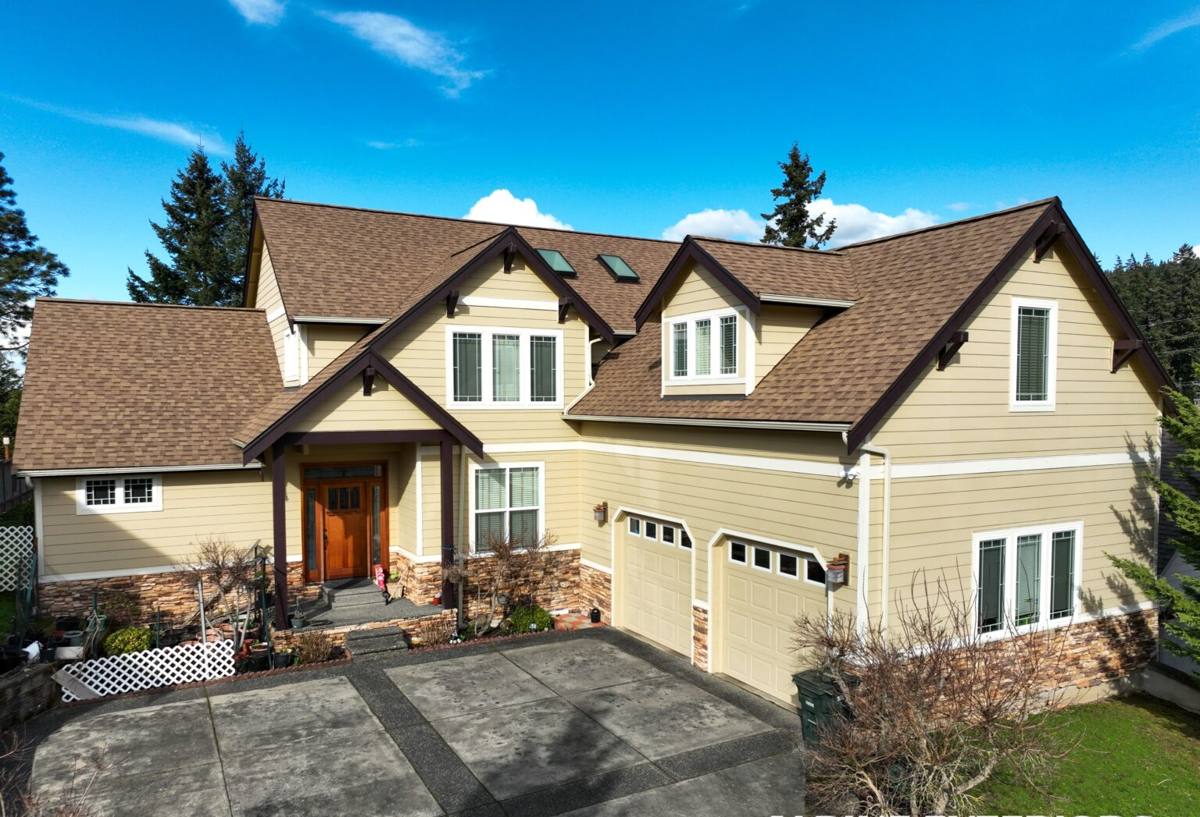
Downtown Clearwater has a mix of housing ages and styles, and that mix affects how a deck has to be designed and attached.
Older Homes Closer to the Water
Many homes in and around the downtown core were built decades ago, often with framing, siding, and ledger conditions that weren't designed with today's wind-load codes in mind. Attaching a new deck ledger to an older exterior wall sometimes means opening it up to confirm what's actually behind the siding before any structural connection is made — skipping that step is one of the more common shortcuts that leads to a deck pulling away from the house later.
Newer Construction and Elevated Homes
Newer builds in the area, including homes raised on elevated foundations for flood considerations, present a different challenge: taller elevation changes, longer stair runs, and sometimes limited lot space to work with. A custom design has to account for the actual elevation and footprint of the lot rather than a one-size-fits-all deck plan.
In both cases, the starting point is the same — a real assessment of what the home is currently doing structurally, not an assumption based on the neighborhood or the home's age.
Picking a Decking Material That Can Handle This Climate
The decking surface takes the most direct abuse from sun and salt air, so this is usually the first decision homeowners want to talk through. There isn't one universally "best" material — it depends on how much upkeep you want to do, how the deck will be used, and your budget. Here's how the common options compare for this specific climate.
| Material | Typical Lifespan Here | Maintenance Level | Heat Underfoot | Salt-Air Resistance | Relative Cost Tier |
|---|---|---|---|---|---|
| Pressure-treated wood | 10–15 years | High — annual sealing/staining | Moderate | Fair with upkeep | Low |
| Capped composite | 20–25+ years | Low — occasional washing | Moderate to warm in full sun | Good | Mid |
| Cellular PVC | 25+ years | Very low | Can run warmer in direct sun | Very good | Mid to High |
| Tropical hardwood | 15–20 years with care | Moderate to high — periodic oiling | Moderate | Good, but fasteners need care | High |
We won't push a homeowner toward a premium material they don't need, and we'll also be honest when a cheaper option is likely to cost more in maintenance and replacement over ten years than the difference in upfront price. That trade-off matters more here than in a drier, cooler climate, simply because UV and salt exposure accelerate every material's weak points.
What's Underneath Matters More Than What's on Top
The decking boards get all the attention, but the framing underneath is what actually determines whether a deck survives a bad storm season. For a Downtown Clearwater build, that means:
- Ledger attachment engineered for the actual wall assembly behind it, with proper flashing to stop water intrusion at the house connection
- Joist hangers and structural connectors rated for coastal exposure, not standard interior-grade hardware
- Post footings sized and set to the depth required for the soil and wind conditions on that specific lot
- Hurricane ties or equivalent uplift connections at key structural points, matched to the wind speed requirements for this part of Pinellas County
None of this is visible once the deck is finished, which is exactly why it's the part most likely to get shortcut by a crew trying to keep a bid low. It's also the part that determines whether the deck is still standing — and still attached to the house correctly — after the next tropical system comes through.
Fasteners Are Not a Minor Detail
Standard galvanized screws and nails corrode faster in salt air than most homeowners expect, sometimes staining the decking around them within a year or two. Stainless steel or coated fasteners rated for coastal use cost more up front but avoid the streaking, loosening, and premature failure that plain galvanized hardware runs into this close to the water.
Railings and Hardware That Won't Corrode in Salt Air
Railings see constant hand contact and constant weather exposure, so the material choice here affects both looks and safety over time. Aluminum and powder-coated railing systems generally hold up well against salt air with minimal upkeep. Cable railing looks clean but requires stainless cable and hardware specifically rated for coastal environments, or the cables will start showing rust bleed. Wood railings can work, but they need the same maintenance commitment as wood decking — regular sealing to prevent splitting and graying from constant UV exposure.
Whatever the railing material, the connection points and fasteners matter as much as the railing itself. A good-looking railing with the wrong hardware underneath will loosen up well before the decking does.
Permitting and Local Code in Clearwater and Pinellas County
Deck construction in the City of Clearwater and unincorporated Pinellas County generally requires a permit, and the structural requirements are tied to wind-load standards for this region — not a generic statewide minimum. Depending on the property, there may also be setback rules, height restrictions, or additional review if the home is in a flood zone or has other site-specific conditions. A correctly built deck is designed to pass inspection the first time, with documentation that matches what's actually built rather than a generic plan pulled off the shelf.
Skipping permits is sometimes offered as a way to save money or time, but it creates real problems later — from insurance and resale issues to the cost of tearing out and rebuilding work that was never inspected. We pull the required permits and schedule inspections as a standard part of the process, not an upsell.
Our Process for a Downtown Clearwater Deck Project
- On-site assessment. We look at the existing structure, the ledger wall condition, elevation, soil, and any site constraints specific to the lot.
- Design and material selection. We talk through layout, decking material, and railing options based on how the space will actually be used and how much maintenance you want to take on.
- Permitting. We prepare and submit the permit package with structural details matched to local wind and code requirements.
- Construction. Framing and structural connections go in first and get inspected before decking and railing are installed.
- Final walkthrough. We go over the finished deck together, including what maintenance it will need and on what schedule.
Keeping Your New Deck Looking Right Through Florida's Seasons
Even a well-built deck needs some ongoing attention in this climate. A simple seasonal routine goes a long way toward protecting the investment:
- Rinse off salt residue and debris periodically, especially after storms with onshore wind
- Check railing connections and fasteners for looseness once or twice a year
- Inspect ledger flashing and the house connection point for any signs of water intrusion
- Reseal or restain wood decking and railings on the schedule the material actually requires — not just when it starts looking faded
- Keep gaps between boards clear of debris so water and airflow can move underneath as designed
- Watch for any soft spots, rust streaking, or discoloration around fasteners and address them early
Catching small issues during a seasonal check is almost always cheaper and easier than dealing with them after they've spread.
Why Hire a Crew That Already Works in Downtown Clearwater
A contractor who works this area regularly already knows how exposed a given block tends to be, what the local permitting office expects, and which structural details actually matter for homes this close to the water — instead of learning it on your project. That familiarity shows up in fewer surprises during permitting, fewer callbacks after the first storm season, and a deck that's designed for the conditions it will actually face, not a generic set of plans.
If you're considering a custom deck for your Downtown Clearwater home, we're happy to take a look at the property and walk you through your options honestly — no pressure, no hard sell. Use the form below to request a free estimate and we'll go from there.